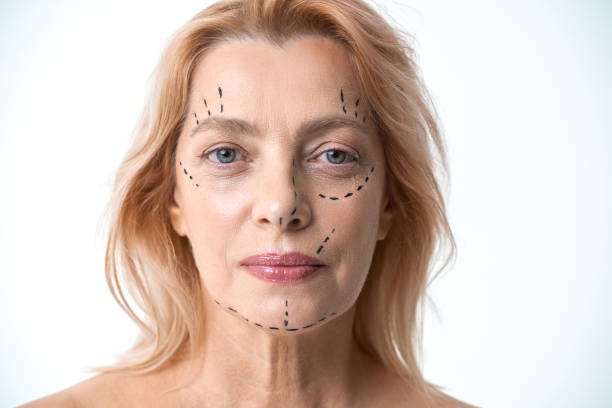
Loose skin beneath the chin is a common concern associated with facial aging and can affect the definition of both the jawline and neck. As skin elasticity decreases and underlying tissues gradually shift downward, the area beneath the chin may become softer, creating a less distinct transition between the lower face and neck. For individuals considering Facelifts in Abu Dhabi, facelift surgery can offer a structural approach to age-related laxity by repositioning facial tissues and adjusting excess skin. Understanding how facelifts address the area beneath the chin can help clarify when this procedure may be effective for lower-face and upper-neck rejuvenation.
Why Does Loose Skin Develop Beneath the Chin?
The skin beneath the chin is supported by several interconnected structures, including connective tissues, muscles, fat, and the underlying jaw and neck framework. With age, collagen and elastin levels gradually decline, reducing the skin’s natural firmness and resilience.
At the same time, the supporting tissues of the lower face and neck can become less defined. Facial tissues may descend toward the jawline, while changes in the neck can contribute to a looser appearance beneath the chin.
These developments can make the jawline appear less prominent and create a softer profile. The degree of looseness varies significantly between individuals and depends on factors such as genetics, skin quality, facial anatomy, and the natural aging process.
How Does a Facelift Address Loose Skin Beneath the Chin?
A facelift primarily targets the lower face, but its effects can extend toward the area beneath the chin and upper neck depending on the surgical technique. By repositioning sagging lower-face tissues and adjusting excess skin, the procedure can improve the contour surrounding the jawline.
When facial tissues are restored to a more appropriate position, the skin can redrape over the improved structure. This can reduce the appearance of loose skin around the jaw and upper neck.
The exact extent of improvement depends on whether the looseness beneath the chin is primarily caused by excess skin, deeper tissue descent, or a combination of age-related changes.
Can a Facelift Tighten the Upper Neck?
The lower face and upper neck are closely connected, which means changes in one area can influence the appearance of the other. When loose skin extends beneath the jaw, improving lower-face tissue position can sometimes create a smoother upper-neck contour.
Depending on individual anatomy, facelift techniques may incorporate elements that address tissues extending into the upper neck. This can improve the transition from the jawline to the neck and create a more defined profile.
However, the amount of neck tightening achievable through a facelift varies. More extensive neck laxity may require a surgical approach specifically designed to address the neck.
What Role Does the Platysma Play?
The platysma is a thin, broad muscle that extends across the front of the neck and connects with tissues around the lower face. Age-related changes in this muscle can contribute to a less defined neck contour.
When the platysma becomes lax or its edges become more noticeable, the appearance beneath the chin can change. Depending on the individual’s anatomy and surgical plan, neck-focused techniques may address the relationship between the platysma and surrounding tissues.
This is one reason why evaluating the underlying structures is important when determining how best to improve loose skin beneath the chin.
Can a Facelift Improve the Jawline at the Same Time?
Loose skin beneath the chin often occurs alongside jowls and lower-face sagging. When these concerns appear together, improving only one area may leave the overall contour looking less balanced.
A facelift can reposition descended facial tissues and adjust excess skin around the lower face. This can reduce jowling and restore greater definition along the jawline.
When the jawline becomes clearer, the area beneath the chin may also appear more structured. The combined improvement can create a smoother transition between the cheeks, jaw, chin, and neck.
Is Skin Tightening Alone Enough for Loose Skin Beneath the Chin?
The appropriate approach depends on the degree and cause of laxity. If the concern involves only mild skin looseness, a facelift may not necessarily be the most suitable option.
However, when excess skin is accompanied by significant lower-face tissue descent, skin tightening alone may not adequately address the underlying structural changes. A facelift can reposition deeper tissues while adjusting the outer skin, providing a more comprehensive correction.
An individualized assessment can determine whether the looseness is primarily superficial or associated with deeper age-related changes.
Can a Facelift Create a More Defined Chin-to-Neck Transition?
The transition between the chin, jawline, and neck plays an important role in facial profile. Loose tissue beneath the chin can blur this boundary, making the lower face appear less defined.
By improving the position of lower facial tissues and adjusting excess skin, facelift surgery can help restore a clearer contour. When appropriate, addressing upper-neck tissues can further improve the relationship between the jawline and neck.
The objective is generally a natural transition rather than an artificially sharp line.
What Makes the Result Look Natural?
Natural-looking rejuvenation depends on maintaining facial balance. Excessive tightening can make the skin appear unnaturally stretched, while insufficient correction may leave significant laxity unchanged.
Modern facelift approaches focus on the underlying facial structure as well as the skin. When deeper tissues are appropriately repositioned, the skin can settle over the new contours rather than being used as the sole source of lifting.
The amount of correction is tailored to the individual’s anatomy, existing facial proportions, and degree of aging.
Can Facelifts Address Advanced Loose Skin Beneath the Chin?
A facelift can be effective when loose skin beneath the chin is closely associated with lower-face sagging, jowls, and upper-neck laxity. However, advanced neck changes can involve several anatomical structures.
If the primary concern is extensive neck skin laxity, the surgical plan may need to include techniques specifically designed for the neck. The appropriate approach depends on the location of the excess skin and the condition of the deeper tissues.
A professional evaluation can establish whether a facelift alone can address the concern or whether additional neck-focused treatment should be considered.
How Long Can the Improvement Last?
Facelift surgery can provide long-lasting improvement because it addresses structural tissue descent and excess skin. Nevertheless, the procedure does not stop natural aging.
After surgery, the skin and underlying tissues continue to change gradually. The improved jawline and upper-neck contour can remain noticeable for many years, although the appearance will naturally evolve.
Individual factors such as genetics, skin elasticity, facial structure, age, and the degree of original laxity can influence the longevity of the improvement.
Are Facelifts Effective for Loose Skin Beneath the Chin?
Facelifts can be effective for loose skin beneath the chin when the laxity is connected to age-related changes in the lower face and upper neck. By repositioning underlying tissues and adjusting excess skin, the procedure can improve jawline definition and create a smoother transition between the face and neck.
The effectiveness depends on the specific cause and severity of the looseness. A facelift may be particularly appropriate when loose skin occurs alongside jowls and lower-face sagging, while more extensive neck laxity may require additional consideration.
A professional assessment is the best way to determine whether facelift surgery is suitable for the individual’s anatomy and desired outcome.
FAQs
Can a facelift tighten loose skin beneath the chin?
Yes. Depending on the surgical approach, a facelift can adjust excess skin and reposition lower facial tissues, which may improve loose skin around the jawline and upper neck.
Does a facelift remove loose skin under the chin?
A facelift can adjust excess skin as part of lower-face rejuvenation. The amount that can be addressed depends on the location and severity of the laxity and whether deeper neck structures are also involved.
Can a facelift improve the jawline and area beneath the chin together?
Yes. Lower-face tissue repositioning can reduce jowls and improve jawline definition, which may also create a more defined transition beneath the chin.
Is a facelift suitable for severe neck skin laxity?
It depends on the cause and extent of the neck laxity. Some forms can be improved through facelift techniques, while more extensive neck changes may require additional neck-focused surgical planning.
How long does improvement beneath the chin last after a facelift?
Improvement can remain visible for many years because a facelift addresses structural tissue changes as well as excess skin. However, natural aging continues and the facial and neck tissues will gradually change over time.