Botox Injections have become a widely discussed cosmetic treatment for people who want to soften the appearance of facial lines without undergoing surgery. While the treatment is often associated with wrinkle reduction, its potential benefits, limitations, and suitability depend on the type of skin concern being addressed. Understanding how Botox Injections works can help individuals decide whether it matches their cosmetic goals.
Botox is a purified form of botulinum toxin type A. When carefully injected into specific muscles, it temporarily reduces muscle activity. Because repeated facial movements contribute to certain expression lines, relaxing targeted muscles can make those lines appear softer and less noticeable.
However, Botox Injections are not a universal solution for every type of wrinkle or skin concern. They work particularly well for dynamic wrinkles, while other concerns may require different approaches. Anyone considering treatment should understand what Botox can realistically accomplish, how long results may last, what the procedure involves, and what safety considerations should be kept in mind.
What Are Botox Injections and How Do They Work?
Botox Injections work by temporarily interrupting signals between certain nerves and muscles. When a targeted muscle receives the treatment, its activity is reduced for a period of time. This can prevent the repeated muscle contractions that contribute to some facial expression lines.
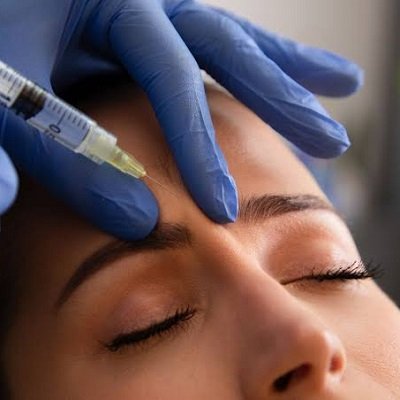
Dynamic wrinkles are especially responsive to this type of treatment. These lines become more visible when a person smiles, frowns, squints, or raises the eyebrows. Common treatment areas include the forehead, the area between the eyebrows, and lines around the outer corners of the eyes.
The treatment does not simply fill a wrinkle. Instead, it changes the movement responsible for creating or deepening certain lines. This distinction is important because Botox is different from dermal fillers, which add volume beneath the skin.
Results are temporary because normal nerve-to-muscle communication gradually returns. The duration of results can vary from person to person depending on factors such as the treatment area, muscle activity, dosage, metabolism, and individual response.
Which Skin Concerns Can Botox Injections Address?
Botox Injections are primarily used for wrinkles caused by repeated muscle movement. For suitable candidates, treatment may create a smoother and more relaxed appearance while preserving a natural-looking range of facial expression when appropriately performed.
One of the most common concerns is forehead lines. These horizontal lines can become increasingly noticeable with repeated eyebrow movement. Reducing excessive muscle activity in the forehead can soften their appearance.
Frown lines between the eyebrows are another common treatment area. These vertical lines can sometimes give the face a tired, stressed, or serious appearance. Botox may reduce their prominence by relaxing the muscles responsible for repeated frowning.
Crow’s feet, or fine lines near the outer corners of the eyes, can also respond to carefully administered treatment. These lines commonly appear during smiling or squinting.
Botox may also have applications beyond traditional wrinkle treatment. Depending on the individual’s needs and the specific medical or cosmetic indication, botulinum toxin may be used for concerns involving excessive sweating, certain muscle-related conditions, and other approved uses.
However, Botox is generally not designed to correct every form of skin aging. It does not directly replace lost facial volume, remove significant sagging skin, erase scars, or provide the same type of improvement as treatments designed specifically for pigmentation or skin texture.
Who May Be a Good Candidate for Botox Injections?
A good candidate is generally someone with a specific concern that responds to temporary muscle relaxation and realistic expectations about the outcome. The decision should be based on individual anatomy, medical history, treatment goals, and the condition of the skin.
People who notice expression lines becoming more prominent during facial movement may be suitable candidates. Some individuals seek treatment because they want a more refreshed appearance, while others are interested in reducing established dynamic wrinkles.
Age alone does not determine whether someone is suitable. A person’s skin characteristics, muscle activity, previous treatments, medications, and overall health can be more relevant than a specific age.
A qualified healthcare professional should review the individual’s goals and medical history before treatment. Certain health conditions, allergies, medications, pregnancy or breastfeeding, and problems affecting nerves or muscles may influence whether Botox is appropriate.
It is also important for prospective patients to have realistic expectations. Botox can soften selected lines, but it does not stop the natural aging process. It also cannot guarantee completely wrinkle-free skin or prevent all future changes.
What Happens During a Botox Treatment?
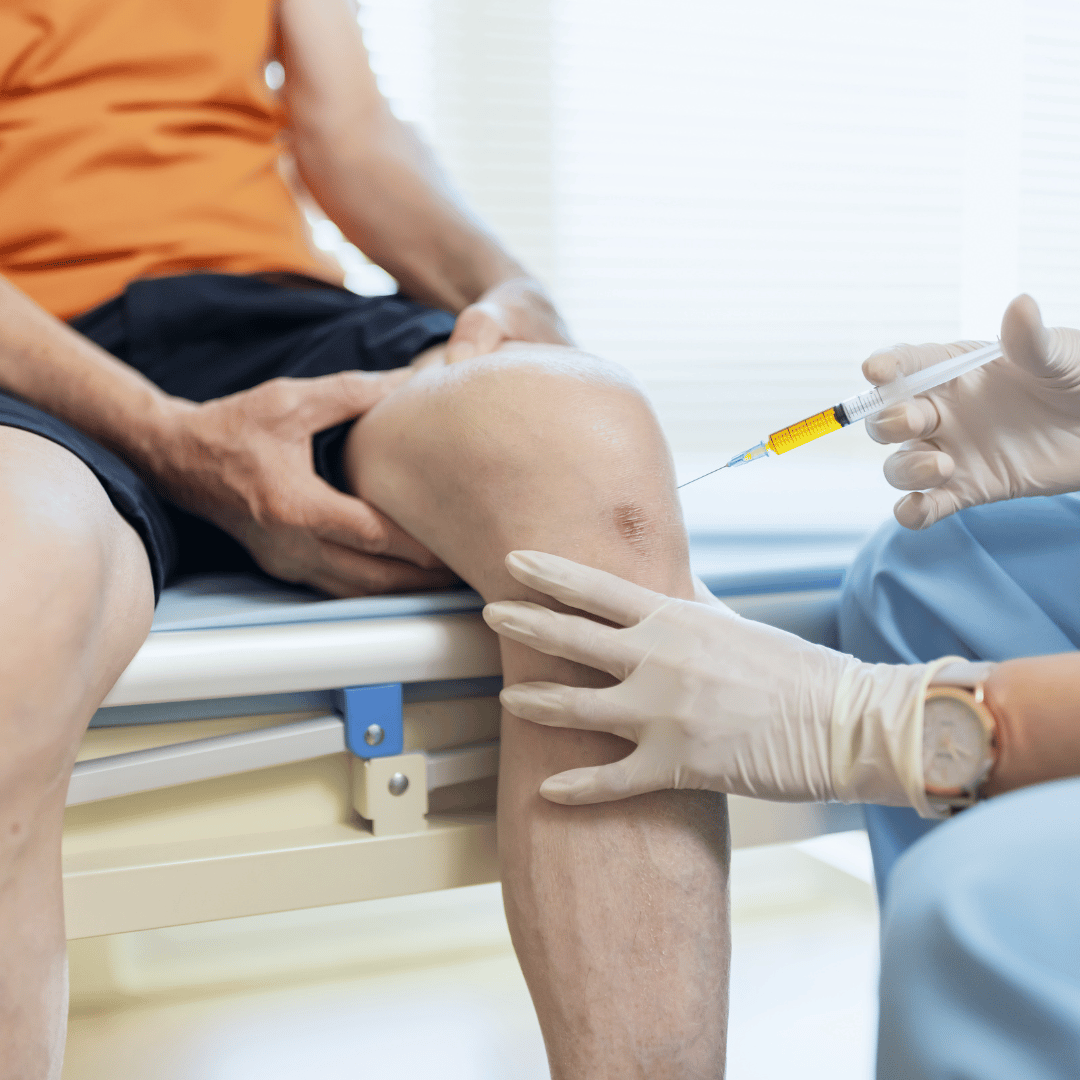
Botox treatment is usually performed as an outpatient procedure. The treatment area is assessed first so that the appropriate injection sites can be identified. Small amounts of the product are then injected into selected muscles using a fine needle.
The number of injections varies according to the treatment area and the individual’s facial anatomy. Some people describe the sensation as a brief pinch or mild stinging. Treatment generally does not require a surgical incision or a lengthy recovery period.
After the injections, patients can typically return to many normal activities relatively quickly, although specific aftercare instructions may be provided. Following those instructions is important because the treated area needs time to settle.
Temporary redness, swelling, tenderness, or small bumps around injection sites can occur. These effects commonly improve on their own. More significant or persistent symptoms should be discussed with a healthcare professional.
Results are not always immediate. The treated muscles gradually become less active, and visible improvement may develop over the following days. The final effect and duration can vary between individuals.
What Are the Benefits and Limitations of Botox Injections?
One major advantage of Botox Injections is that treatment can target specific facial muscles without surgery. For suitable concerns, this can produce a smoother appearance while requiring relatively little downtime.
Another potential benefit is precision. Because injections can be directed toward particular muscles, treatment can be tailored to areas where movement contributes to visible lines.
However, Botox has limitations. Its effects are temporary, meaning maintenance treatments may be needed if a person wants to preserve the results. The treatment also depends heavily on appropriate product placement and dosing.
Over-treatment can sometimes lead to an overly restricted facial appearance. For this reason, a balanced approach is important. The goal is often to soften unwanted lines while maintaining natural facial movement rather than eliminating all expression.
Botox also does not address every aspect of skin aging. Someone concerned primarily with sun damage, uneven pigmentation, significant volume loss, loose skin, or poor skin texture may need to explore other treatment options.
The best approach depends on the concern rather than simply choosing the most popular cosmetic procedure.
Is Botox Safe, and What Should Patients Consider?
When administered appropriately by a qualified healthcare professional, Botox has an established medical and cosmetic use. Nevertheless, no injectable treatment is completely risk-free.
Common temporary effects may include redness, swelling, bruising, tenderness, or discomfort at the injection site. Some individuals may experience headache or other short-term effects.
Less common complications can occur if the product affects nearby muscles. For example, temporary drooping of an eyelid or eyebrow can occur after treatment in some cases. Rare but serious effects involving swallowing, breathing, or widespread muscle weakness require urgent medical attention.
Choosing a properly qualified and experienced healthcare professional is an important safety consideration. Patients should provide a complete medical history and disclose medications, supplements, allergies, previous cosmetic treatments, and relevant health conditions.
It is equally important to avoid making decisions based solely on social media trends or before-and-after photographs. Individual results vary, and photographs may not represent what another person can realistically expect.
A consultation allows the treatment provider to determine whether Botox is appropriate and whether another approach may better address the person’s concerns.
How Long Do Botox Results Last?
The effects of Botox Injections are temporary. Many people see results lasting roughly three to four months, although the duration can be shorter or longer depending on the individual and the treatment area.
Muscle strength gradually returns as nerve signaling recovers. As movement increases again, treated lines may slowly become more visible.
Several factors can influence how long results last. These may include muscle activity, metabolism, the treated area, treatment technique, and how the individual’s body responds.
Regular follow-up treatments may be considered by people who want ongoing results. However, treatment schedules should be individualized rather than based on a fixed routine.
The objective should be consistent, natural-looking improvement rather than excessive treatment. A healthcare professional can help determine an appropriate approach based on the individual’s response.
Botox Injections vs. Other Cosmetic Treatments
Choosing a cosmetic treatment becomes easier when the underlying concern is clearly identified. Botox primarily affects muscle movement, whereas other treatments target different structures or processes.
Dermal fillers, for example, are designed to add or restore volume in selected areas. They may be considered when volume loss contributes to facial changes. Skin resurfacing treatments may focus more on texture, fine surface lines, pigmentation, or signs of sun damage.
Moisturizers, sunscreen, retinoid-based skincare products, and other evidence-based skincare approaches can support overall skin health but generally do not work in exactly the same way as Botox.
For some people, a combination of approaches may provide a more comprehensive result. However, combining treatments should be based on individual needs and professional assessment rather than following a trend.
Ultimately, Botox may be a suitable option when the main concern is related to dynamic facial movement. When the concern is primarily volume loss, skin texture, pigmentation, or laxity, another treatment may be more appropriate.
Frequently Asked Questions About Botox Injections
1. How quickly do Botox Injections start working?
Visible improvement usually develops gradually rather than immediately. Many people begin noticing changes within several days, while the full effect may take longer. The timing can vary depending on the treatment area and individual response.
2. Are Botox Injections painful?
Most people experience only brief discomfort during the injections. A fine needle is generally used, and the sensation may be described as a small pinch or sting. Temporary tenderness can occur afterward.
3. Can Botox Injections look natural?
Yes. When treatment is appropriately planned and administered, the goal can be to soften unwanted lines while preserving natural facial expression. Results can appear less natural when excessive amounts are used or too many muscles are restricted.
4. How long do Botox Injections last?
Results commonly last around three to four months, although individual experiences vary. Some people may notice the effects wearing off sooner or lasting longer depending on several personal and treatment-related factors.
5. Can Botox remove all wrinkles?
No. Botox is most effective for wrinkles associated with muscle movement. It does not directly correct every type of wrinkle, skin laxity, pigmentation, scarring, or loss of facial volume.
6. What should someone do before getting Botox Injections?
A consultation with a qualified healthcare professional is an important first step. The individual should discuss medical conditions, allergies, medications, supplements, previous procedures, treatment goals, and any concerns about possible side effects. This helps determine whether Botox is an appropriate option.
Final Thoughts
Botox Injections can be an effective option for people who want to reduce the appearance of selected dynamic facial wrinkles without surgery. Their main advantage is the ability to temporarily reduce muscle activity in carefully targeted areas, which can soften lines created by repeated facial expressions.
At the same time, Botox is not a solution for every skin concern. Understanding the difference between dynamic wrinkles, volume loss, skin texture changes, pigmentation, and sagging can help individuals choose treatments more thoughtfully.
Anyone considering Botox should focus on realistic expectations, proper medical assessment, treatment safety, and an individualized plan. A qualified healthcare professional can determine whether Botox matches the person’s concerns or whether another approach would be more suitable.
Read More About Botox Injections: https://autopedia.co.uk/events/oman/muscat/muscat-1/botox-injections-for-fine-lines-when-should-you-start/