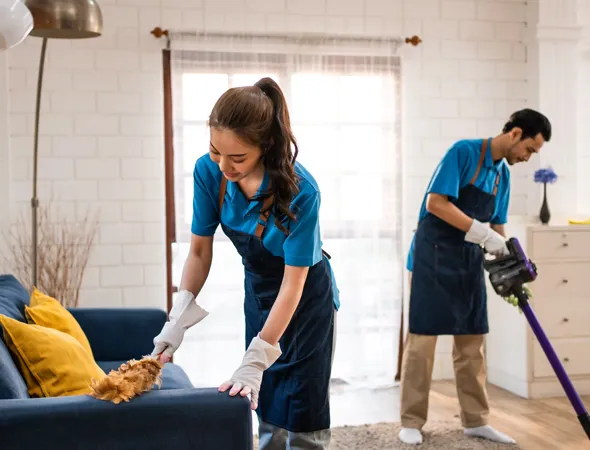
A clean home can make everyday life feel more organized and comfortable. Whether you live in a compact apartment, a spacious condominium, or a family home, regular cleaning helps maintain your living environment and keeps everyday mess from becoming overwhelming.
However, maintaining a clean property can be challenging when work, family responsibilities, and personal commitments compete for your time. Apartments and condominiums also have their own cleaning considerations, including limited storage, shared building spaces, different flooring materials, and compact kitchens and bathrooms.
At the same time, many households are becoming more thoughtful about the products and methods used to clean their living spaces. Choosing suitable cleaning products, reducing unnecessary chemical use, and following practical cleaning routines can make housekeeping more intentional.
Gisella’s Housekeeping offers residential cleaning options designed around individual household needs. Its services include apartment cleaning, recurring cleaning, one-time cleaning, move-in and move-out cleaning, and eco-friendly cleaning. Understanding what goes into a good cleaning routine can help residents decide which services and practices make sense for their homes.
Why Apartment and Condo Cleaning Requires a Thoughtful Approach
Apartments and condominiums may have less square footage than detached homes, but that does not necessarily mean they require less attention. Smaller rooms can accumulate dust, cooking residue, bathroom moisture, and everyday clutter just as quickly as larger spaces.
A consistent cleaning routine helps residents manage these issues before they become more difficult to address.
1. Compact Kitchens Need Regular Attention
Kitchen surfaces are exposed to food particles, grease, spills, and frequent handling. Countertops, cabinet fronts, appliance handles, stovetops, and sinks can collect residue throughout the week.
A practical cleaning routine should include:
- Wiping countertops after food preparation
- Cleaning the stovetop when spills occur
- Wiping cabinet handles and frequently touched surfaces
- Cleaning the sink and faucet
- Sweeping or vacuuming visible food debris
- Mopping the floor with a product suitable for its material
Regular attention makes kitchen maintenance more manageable and helps prevent grease and food residue from building up.
2. Bathrooms Need Consistent Cleaning
Bathrooms experience frequent moisture and regular contact with multiple surfaces. Sinks, faucets, mirrors, toilets, shower walls, and floors all require attention.
Cleaning schedules should account for the number of people using the bathroom and how frequently it is used. Residents should also follow product instructions and use suitable cleaning products for tile, glass, stone, and other materials.
Good ventilation is important, too. Using an exhaust fan or opening a window when appropriate can help reduce excess moisture.
3. Floors Require Surface-Specific Care
Apartments and condominiums may feature hardwood, laminate, tile, vinyl, carpet, or a combination of materials. Each surface has different cleaning requirements.
For example, excessive water can damage some wood and laminate flooring, while certain tile surfaces may require specialized products. Carpet generally needs regular vacuuming, with deeper cleaning based on household activity and manufacturer recommendations.
Using the right method for each surface helps maintain its appearance and condition.
4. Frequently Touched Areas Should Not Be Overlooked
Light switches, door handles, remote controls, cabinet pulls, and appliance buttons are handled throughout the day. These areas can easily be missed when cleaning focuses only on visible surfaces.
Including them in a regular routine helps create a more complete cleaning process.
How to Create an Effective Apartment Cleaning Schedule
A cleaning schedule does not have to be complicated. The most useful routine is one that fits the household’s size, daily activities, and available time.
Breaking tasks into different frequencies can make cleaning easier to manage.
Daily tasks
- Wash dishes or load the dishwasher
- Wipe kitchen counters
- Put away frequently used items
- Clean visible spills
- Keep entryways and walkways organized
Weekly tasks
- Vacuum carpets and rugs
- Sweep and mop appropriate floors
- Clean bathroom surfaces
- Dust furniture and shelves
- Change bed linens
- Empty wastebaskets and clean bins when needed
Monthly or occasional tasks
- Clean behind accessible appliances
- Wipe cabinet interiors where necessary
- Dust ceiling fans and light fixtures
- Clean window tracks and accessible blinds
- Address areas that do not receive attention during routine cleaning
The schedule can be adjusted depending on pets, children, allergies, visitors, and the number of people living in the property.
What Does Eco-Friendly House Cleaning Mean?
Eco-friendly cleaning generally refers to methods and product choices intended to reduce unnecessary environmental impact while maintaining effective cleaning practices.
It does not simply mean using products labeled “natural” or choosing cleaners with green packaging. Product ingredients, certifications, instructions, packaging, and the way products are used all matter.
When considering Eco-Friendly House Cleaning in Santa Monica, CA, residents can look at several practical factors.
Choose Products With Clear Ingredient and Certification Information
Cleaning product labels can help consumers understand how a product should be used and what precautions are necessary.
The U.S. Environmental Protection Agency’s Safer Choice program identifies products that meet its ingredient criteria for safer human health and environmental characteristics. Consumers can look for the Safer Choice label when comparing cleaning products.
Third-party certifications, such as Green Seal and ECOLOGO, can also help consumers evaluate certain cleaning products.
It is important to remember that the word “natural” alone does not establish that a product is safer. The EPA explains that products marketed as natural still contain chemicals, and their effects depend on the actual ingredients and how they are used.
Reduce Unnecessary Product Use
Using more cleaning product does not automatically produce better results. Follow the manufacturer’s instructions and use the recommended amount.
Overusing concentrated cleaners may leave residue and increase unnecessary chemical exposure. Proper dilution, where required, is an important part of using cleaning products correctly.
Consider Reusable Cleaning Materials
Reusable microfiber cloths, washable mop pads, and durable cleaning tools can reduce reliance on disposable paper products.
These materials still require proper washing and maintenance. Keeping cleaning cloths separate by task can also help reduce the transfer of dirt between different areas.
Pay Attention to Indoor Air Quality
Some cleaning products release volatile organic compounds (VOCs) into indoor air. California’s Air Resources Board explains that certain product ingredients can contribute to indoor air pollution.
Residents can take practical steps to reduce unnecessary exposure:
- Follow the instructions on product labels.
- Use adequate ventilation during and after cleaning.
- Avoid using more product than necessary.
- Consider products with recognized environmental certifications.
- Store cleaning products safely.
- Never mix cleaning products unless the labels specifically confirm that doing so is safe.
These practices are particularly relevant in smaller apartments, where limited space and ventilation may affect how cleaning products are used.
Why Professional Housekeeping Can Help Busy Households
Even with a cleaning schedule, maintaining a home can take considerable time. Professional housekeeping can help residents manage routine cleaning while allowing them to focus on work, family, and other responsibilities.
A professional cleaning service may be useful when:
- A household has a demanding work schedule.
- Cleaning tasks have become difficult to manage consistently.
- Residents are preparing for guests.
- A property needs attention before or after a move.
- Regular maintenance is preferred over occasional intensive cleaning.
The right service depends on the condition of the property and the tasks the household wants completed.
One-Time, Recurring, and Move-In or Move-Out Cleaning
Not every household needs the same cleaning schedule. Some residents prefer occasional assistance, while others benefit from recurring visits.
Recurring Cleaning
Recurring cleaning is useful for households that want a consistent maintenance routine. Depending on the agreed scope, visits may take place weekly, biweekly, or on another suitable schedule.
Regular service can help manage dust, floors, kitchens, bathrooms, and other frequently used areas.
One-Time Cleaning
One-time cleaning may suit households that need help before a special event, after a particularly busy period, or when their home needs extra attention.
The scope can be discussed in advance so the cleaning priorities are clear.
Move-In and Move-Out Cleaning
Moving creates additional cleaning responsibilities. Before moving into a property, residents may want to clean cabinets, floors, bathrooms, kitchens, and other accessible areas.
Move-out cleaning focuses on preparing the property for its next occupants or meeting applicable lease and property expectations. The exact requirements can vary, so residents should clarify the requested tasks before scheduling service.
How Gisella’s Housekeeping Approaches Residential Cleaning
Every home has different cleaning needs. A small apartment may require a different plan from a larger condominium or family residence.
Gisella’s Housekeeping describes its residential cleaning services as tailored to individual household requirements. The company offers recurring, occasional, one-time, move-in, move-out, and apartment cleaning options, along with eco-friendly cleaning.
Its website also explains that customers can request estimates based on the areas that need attention. If a room does not require cleaning, that can be considered when preparing a personalized estimate. The company states that one-time and recurring cleaning services do not require a term contract.
This flexibility can be helpful for residents who want to discuss their priorities before choosing a cleaning arrangement.
Whether a household needs regular maintenance or assistance with a specific cleaning project, communicating the property’s condition and desired tasks is a useful first step.
Frequently Asked Questions
1. How often should an apartment or condominium be professionally cleaned?
The ideal frequency depends on household size, lifestyle, pets, and daily activity. Some households prefer weekly cleaning, while others choose biweekly, monthly, or occasional service.
2. What areas should be included in apartment cleaning?
Common areas include kitchens, bathrooms, floors, bedrooms, living spaces, and frequently touched surfaces. The exact scope should be discussed before the appointment.
3. Are eco-friendly cleaning products always completely safe?
No product should be assumed completely safe simply because it is described as eco-friendly or natural. Read the label, review available ingredient information, follow usage instructions, and consider recognized certifications such as EPA Safer Choice.
4. Can professional housekeeping be scheduled regularly?
Yes. Recurring cleaning is an option offered by Gisella’s Housekeeping. The schedule and cleaning priorities can be discussed according to the household’s needs.
5. Is move-in or move-out cleaning different from regular housekeeping?
Yes. Move-related cleaning often focuses on preparing a property for new occupants or addressing areas that may need attention before a resident leaves. The requested tasks may differ from routine maintenance cleaning.
6. Can a cleaning estimate be customized?
Gisella’s Housekeeping states that estimates can be tailored to the areas and tasks a customer needs. Residents can discuss which rooms require attention when requesting an estimate.
Conclusion
Maintaining a clean home involves more than occasional sweeping and dusting. Apartments and condominiums benefit from consistent attention to kitchens, bathrooms, floors, and frequently touched surfaces. Thoughtful product selection and proper cleaning practices can also help residents make informed choices about their indoor environment.
Professional housekeeping can provide additional support for busy households, whether they need regular maintenance, a one-time visit, or cleaning assistance during a move.
Gisella’s Housekeeping offers residential cleaning options designed around different household needs, including apartment, recurring, move-in and move-out, and eco-friendly cleaning. Residents can visit the company’s website to learn more about its services and request a personalized estimate.