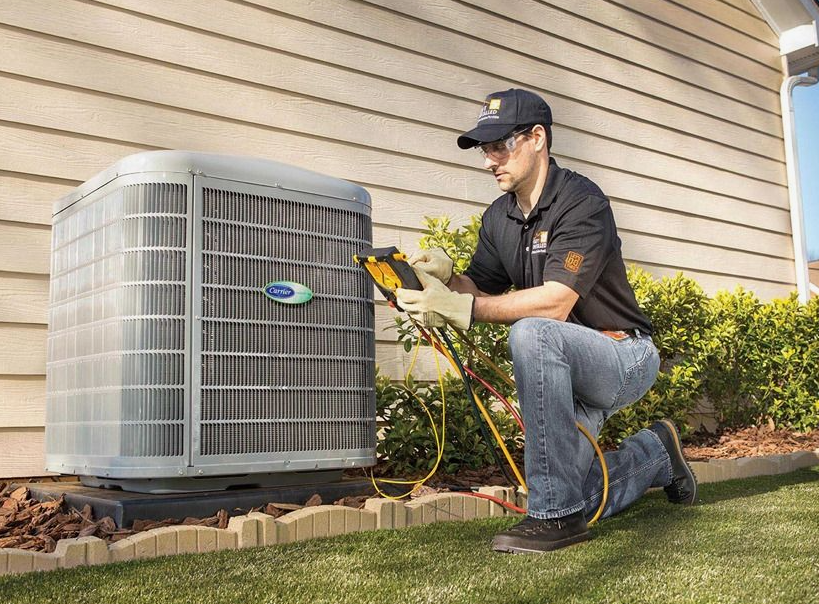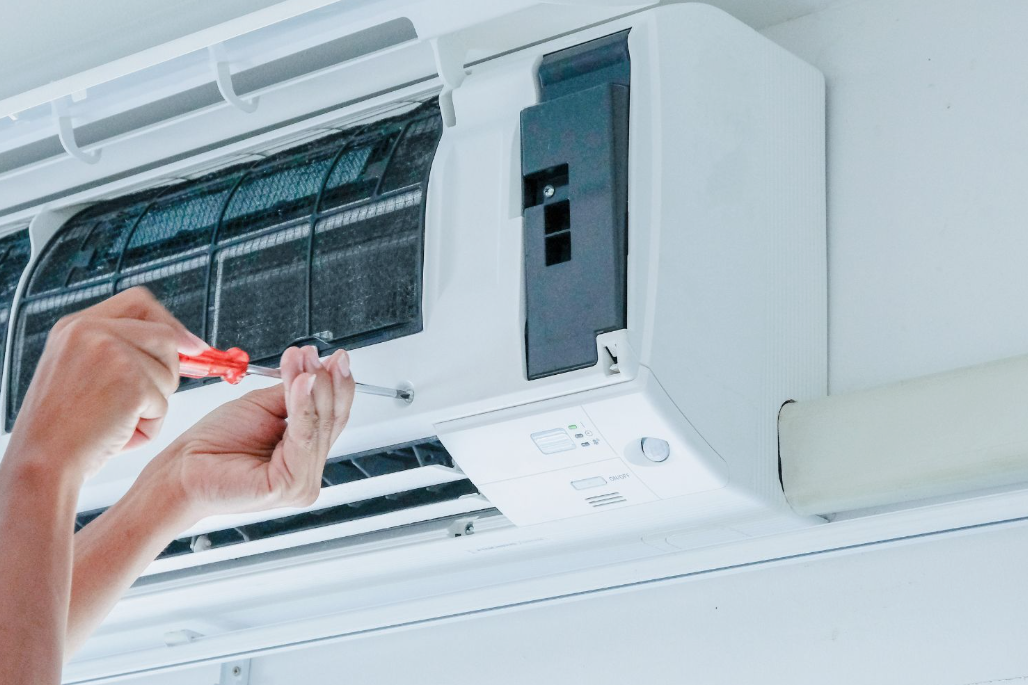
A properly installed air conditioning system can make a significant difference in indoor comfort, operating efficiency, and long-term equipment performance. While selecting a suitable unit is important, installation quality is equally critical because even a well-designed system may perform poorly when it is incorrectly sized, positioned, connected, or configured. Professional AC installation involves more than placing equipment and turning it on; it requires careful consideration of the building, cooling requirements, airflow, electrical connections, controls, and overall system design. For homeowners and businesses preparing for a new cooling system, understanding the installation process can lead to better decisions and fewer performance problems later.
Demand for dependable cooling continues to increase as property owners look for practical ways to maintain comfortable indoor environments without unnecessary energy consumption or frequent equipment problems. Businesses may depend on consistent temperature control to support employees, customers, equipment, and daily operations, while homeowners generally want quiet, reliable cooling throughout the warmer months. A professional installation provides an opportunity to match equipment with the property’s actual requirements rather than simply choosing a unit based on size or price. When planning a new system, customers should consider building characteristics, expected usage, future needs, and the experience of the HVAC professional performing the work.
Understanding the AC Installation Process
A successful installation begins with evaluating the property rather than immediately selecting equipment. An HVAC professional should consider factors such as the building’s size, layout, insulation, windows, occupancy, existing ductwork, electrical capacity, and typical cooling requirements. These details help determine what type and capacity of system is appropriate. Once the equipment is selected, installation may involve positioning indoor and outdoor components, establishing suitable refrigerant connections, configuring electrical components, connecting controls, and evaluating airflow. Every part of the system needs to work together for dependable operation. Careful installation also helps reduce the risk of problems caused by unsuitable placement, restricted airflow, poor connections, or incorrect system configuration. Taking time during this stage can provide benefits that extend well beyond the initial installation day.
Choosing the Right System for Your Property
The most expensive or powerful air conditioner is not necessarily the best choice for every property. Equipment should be selected according to the building’s actual cooling requirements and intended use. An oversized system may cool a space quickly but can create other comfort and performance concerns, while an undersized system may struggle to maintain the desired temperature during periods of high demand. Property owners should also consider factors such as operating efficiency, noise levels, available installation space, control options, maintenance requirements, and expected future usage. A professional HVAC assessment can help customers compare suitable equipment without relying on a one-size-fits-all approach. Businesses may have additional considerations, including operating schedules, multiple zones, high occupancy, specialized equipment, or areas with different cooling demands.
Why Installation Quality Matters
Installation quality directly influences how an air conditioning system operates. Poorly positioned equipment, inadequate airflow, incorrect connections, or improper configuration can reduce performance even when the equipment itself is capable of delivering effective cooling. Professional installers understand how individual components interact and can identify conditions that could interfere with system operation. Proper placement of outdoor equipment, for example, can support adequate airflow and access for future maintenance, while correctly configured indoor components can contribute to consistent temperature distribution. Electrical work and refrigerant-related procedures also require appropriate knowledge and care. Rather than treating installation as a simple equipment replacement, property owners should view it as the foundation of the entire cooling system. A carefully completed installation can make future maintenance and troubleshooting more straightforward as well.
Preparing Your Property Before Installation
Good preparation can help make an installation more efficient and reduce unnecessary complications. Property owners should identify where equipment will be located, consider access for technicians, and discuss any concerns about noise, appearance, drainage, or future maintenance. Existing ductwork may also need evaluation when installing a central cooling system because damaged, poorly configured, or restricted ducts can affect the performance of new equipment. Electrical requirements should be reviewed as well to ensure the property’s infrastructure can support the selected system. In commercial buildings, preparation may require additional planning around business hours, employee access, customer areas, and operational continuity. Discussing these factors with the HVAC contractor before installation begins allows potential obstacles to be addressed early and gives customers a clearer understanding of what the project will involve.
Energy Efficiency and Everyday Performance
A new air conditioner can provide an opportunity to improve comfort and manage energy use, but equipment efficiency alone does not determine actual performance. Building characteristics, thermostat settings, maintenance, duct conditions, operating habits, and installation quality can all influence energy consumption. Professional installation helps establish the conditions required for the system to operate according to its design. Customers can support efficient operation by using appropriate temperature settings, keeping airflow pathways unobstructed, and arranging regular maintenance. It is also important to avoid unrealistic expectations about energy savings because actual results vary from one property to another. Instead, property owners should focus on selecting appropriately sized equipment and ensuring that every component is installed and configured correctly. This balanced approach supports dependable cooling while helping customers understand the factors that influence long-term operating costs.
Common AC Installation Mistakes to Avoid
Several avoidable mistakes can undermine the performance of a newly installed system. Choosing equipment based only on its advertised capacity, overlooking the condition of existing ductwork, placing outdoor equipment where airflow is restricted, or failing to consider electrical requirements can create unnecessary problems. Another common mistake is treating the lowest installation price as the best overall value without examining the contractor’s experience or the scope of the work. Customers should understand what is included in the installation and whether the completed system will be tested and inspected before the project is considered finished. Communication is particularly important when replacing an older system because existing components may not always be suitable for new equipment. Asking questions before work begins gives property owners a better opportunity to identify potential issues and understand how the new system will be integrated into the building.
Maintaining Your New Cooling System
Installation is only the beginning of a system’s service life. Regular maintenance can help keep equipment operating consistently and provide opportunities to identify developing issues before they become disruptive. Property owners should follow appropriate maintenance recommendations and pay attention to changes in cooling performance, airflow, sounds, or system behavior. Keeping the area around accessible equipment clear can also support proper operation and make future service easier. Commercial properties may benefit from planned maintenance because HVAC problems can affect business operations when they occur unexpectedly. Homeowners can similarly benefit from monitoring system performance and arranging professional attention when something appears unusual. Maintenance requirements vary according to the equipment and property, so service should be based on the specific system rather than relying on a generic schedule.
Planning for Long-Term Comfort
A well-planned cooling system should serve the property’s needs beyond the installation date. Before choosing equipment, customers should consider how the building may be used in the coming years, whether additional spaces may require cooling, and how changes in occupancy or renovation could affect HVAC requirements. Professional guidance can help account for these factors when selecting equipment and planning installation. It is also useful to maintain records of the installed equipment, service history, and relevant maintenance information for future reference. If the system eventually develops a problem, having accurate information available can make diagnosis easier. Long-term planning also encourages property owners to consider maintenance and eventual replacement before an unexpected failure creates unnecessary pressure. A thoughtful installation therefore becomes part of a broader strategy for maintaining reliable indoor comfort.
Conclusion
A successful AC installation depends on much more than purchasing a new cooling unit. The right equipment must be selected for the property’s requirements, installed with attention to airflow and system design, connected correctly, and tested before the project is complete. Property owners can improve the likelihood of dependable performance by choosing experienced professionals, preparing the installation area, asking clear questions, and considering maintenance from the beginning. Whether the system is intended for a family home, office, retail space, or larger commercial property, professional installation provides the foundation for effective temperature control and long-term reliability. By treating installation as an important part of the overall HVAC strategy rather than a simple equipment setup, customers can make more informed choices and create a comfortable indoor environment built for dependable everyday use.