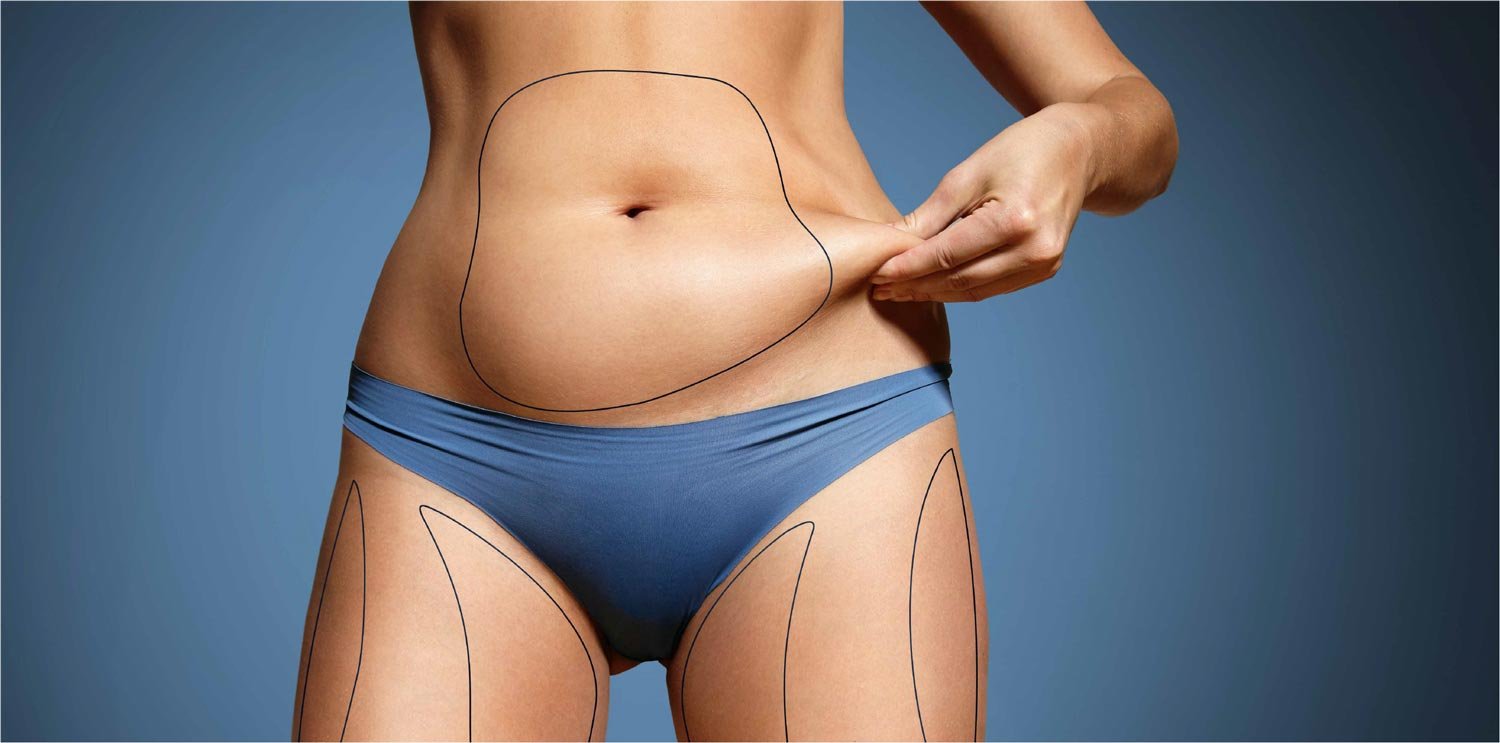
Achieving a flatter, firmer abdomen is a common goal for individuals who have experienced significant weight changes, pregnancy, or age-related changes in their body shape. While excess fat and weakened abdominal muscles often receive attention during tummy tuck planning, skin elasticity is another important factor that can influence the final appearance. The skin’s ability to stretch, contract, and adapt to changes beneath it plays a significant role in determining how smooth and firm the abdomen looks after surgery.
For individuals considering Abdominoplasty dubai, understanding skin elasticity can help establish realistic expectations and support better surgical planning. Every patient has different skin characteristics, and these differences can affect how much loose skin can be removed and how the remaining skin settles around the abdominal area.
At Cornerstone Clinic, an individualised approach to tummy tuck procedures considers skin quality, abdominal structure, and each patient’s aesthetic goals. Understanding these factors helps patients make informed decisions about their treatment options and the results they may reasonably expect.
What Is Skin Elasticity and Why Does It Matter in Tummy Tuck Surgery?
Skin elasticity refers to the skin’s ability to stretch and return towards its original shape. This characteristic is supported by collagen and elastin fibres within the deeper layers of the skin. Collagen provides structural strength, while elastin contributes flexibility and recoil.
When skin elasticity is healthy, the skin can generally adapt more effectively to changes in body shape. However, pregnancy, substantial weight fluctuations, ageing, and prolonged stretching can weaken these supportive structures.
During abdominoplasty, a surgeon removes excess abdominal skin and may tighten separated abdominal muscles when clinically appropriate. The remaining skin is then repositioned to create a smoother abdominal contour.
Although surgery can remove loose skin, its quality still matters. The condition of the surrounding tissue influences how the abdomen looks once the procedure has been completed and the healing process has progressed.
How Does Good Skin Elasticity Affect Final Tummy Tuck Results?
Patients with relatively good skin elasticity may have skin that adapts more effectively to the new abdominal contour. When excess tissue is removed, the remaining skin may settle more smoothly across the treated area.
Good elasticity can contribute to several aesthetic characteristics.
First, the abdominal surface may appear smoother because the remaining skin has a greater ability to adjust to its repositioned position. Second, the transition between the upper and lower abdomen may look more natural. Third, the skin may accommodate the new body contour without retaining as much visible looseness.
However, good elasticity does not automatically guarantee a particular surgical outcome. The amount of excess skin, abdominal muscle condition, fat distribution, surgical technique, and individual healing response also influence the result.
A surgeon evaluates these characteristics together rather than relying on skin elasticity alone when planning a tummy tuck.
What Happens When Skin Elasticity Is Poor?
Reduced skin elasticity is common among individuals who have experienced pregnancy, major weight loss, or natural ageing. When the skin has been stretched for an extended period, collagen and elastin fibres may lose some of their original structural support.
As a result, the skin may not contract effectively after the underlying excess tissue has been addressed.
In tummy tuck surgery, this is particularly relevant because the procedure involves removing loose skin and repositioning the remaining tissue. When elasticity is limited, careful surgical planning becomes important to determine how much tissue can be removed while maintaining an appropriate abdominal contour.
Patients with reduced elasticity may have more noticeable skin laxity around the upper abdomen, lower abdomen, or flanks. The surgeon considers these areas when deciding whether a standard tummy tuck or a different surgical approach is more suitable.
It is important to understand that poor elasticity does not automatically make someone unsuitable for abdominoplasty. The procedure is specifically designed to address excess skin that does not respond adequately to natural changes in body weight or exercise.
How Pregnancy Changes Abdominal Skin Elasticity
Pregnancy is one of the most common reasons women consider tummy tuck surgery. As the abdomen expands to accommodate a growing baby, the skin stretches considerably. After childbirth, some of this skin may gradually contract, but it does not always return to its previous condition.
Several factors influence how abdominal skin responds after pregnancy, including:
- Duration of stretching: Skin that remains stretched for an extended period may experience changes in its supportive fibres.
- Number of pregnancies: Repeated pregnancies can place additional demands on the abdominal skin and surrounding tissues.
- Individual skin characteristics: Genetics and natural skin structure influence how effectively the skin recovers.
- Age: Natural changes in collagen and elastin production can affect the skin’s ability to contract.
- Weight changes: Significant fluctuations before or after pregnancy can contribute to additional skin laxity.
Some women also develop separated abdominal muscles, a condition known as diastasis recti. This can contribute to a persistent abdominal bulge even when body weight is relatively stable.
A tummy tuck may address both excess skin and abdominal muscle separation when appropriate. However, the treatment plan depends on the patient’s anatomy and individual goals.
Does Age Influence Skin Elasticity and Abdominoplasty Results?
Age is another factor that can influence the quality of abdominal skin. As people grow older, collagen production gradually decreases, and elastin fibres become less effective. These natural changes can make the skin thinner, less firm, and slower to adapt to changes in body shape.
Younger patients may have better natural skin recoil, although this is not always the case. Some younger individuals experience significant skin laxity after pregnancy or substantial weight loss.
Similarly, older patients may still have sufficient skin quality to achieve a satisfactory outcome following surgery.
For this reason, chronological age alone should not determine whether someone is suitable for abdominoplasty. A physical assessment provides more useful information about skin thickness, tissue quality, elasticity, and the amount of excess skin present.
An experienced surgeon considers these characteristics when recommending the most appropriate procedure.
How Does Skin Elasticity Influence Surgical Technique?
The condition of the abdominal skin helps determine which tummy tuck technique may be appropriate. Not every patient requires the same surgical approach, and the extent of skin laxity is an important consideration during treatment planning.
Full Abdominoplasty
A full tummy tuck is generally considered for individuals with significant excess skin and tissue changes across the abdominal area. The procedure typically involves removing excess lower abdominal skin, repositioning the remaining skin, and addressing separated abdominal muscles when necessary.
Patients with reduced elasticity may benefit from this approach when loose skin extends beyond the lower abdomen.
Mini Abdominoplasty
A mini tummy tuck may be suitable for individuals with a smaller amount of excess skin concentrated below the belly button. It generally involves a more limited surgical area and does not usually require repositioning the belly button.
Skin quality still matters because the surgeon must assess whether the remaining tissue can be repositioned appropriately.
Extended Abdominoplasty
For patients with excess skin extending towards the hips and flanks, an extended tummy tuck may be considered. This approach addresses a wider area than a standard procedure and may be appropriate following substantial weight loss.
The most suitable technique depends on the distribution of loose skin, abdominal anatomy, and desired body contour rather than elasticity alone.
Can Skin Elasticity Improve Before Tummy Tuck Surgery?
Although natural skin elasticity is influenced by genetics and ageing, certain lifestyle habits can support overall skin health. Patients preparing for abdominoplasty may benefit from maintaining consistent habits that promote general wellbeing and tissue health.
Maintaining a stable weight is particularly important. Repeated weight fluctuations can place additional stress on the skin and may affect the abdominal contour over time.
A balanced diet containing adequate protein, vitamins, minerals, and other essential nutrients supports normal tissue maintenance. Staying hydrated also contributes to general skin health.
Avoiding smoking is another important consideration because smoking can interfere with normal circulation and tissue healing. Patients should discuss their lifestyle habits and any supplements or medications with their surgeon before surgery.
It is equally important to recognise that skincare products, moisturisers, and topical treatments cannot reliably reverse significant excess skin caused by prolonged stretching. When loose abdominal skin is substantial, surgical removal may be the more appropriate option.
Why Is Weight Stability Important for Maintaining Tummy Tuck Results?
Weight stability plays an important role in preserving the abdominal contour achieved through abdominoplasty. Although the procedure removes excess skin and may tighten abdominal muscles, it does not prevent future weight gain or natural changes in the body.
Significant weight fluctuations after surgery can stretch the remaining abdominal skin and affect the overall appearance.
Patients are generally encouraged to reach a weight they can maintain before considering surgery. Individuals planning future pregnancies may also benefit from discussing the timing of their procedure with their surgeon, as another pregnancy can stretch the abdominal skin and muscles again.
Maintaining consistent eating habits and regular physical activity can help support long-term results.
A tummy tuck should be viewed as a procedure that reshapes the abdomen rather than a replacement for weight management.
How Long Does It Take to See the Final Tummy Tuck Results?
The final appearance of the abdomen develops gradually rather than immediately after surgery. During the initial recovery period, swelling and tissue changes can affect how the treated area looks and feels.
As healing progresses, swelling generally decreases, and the repositioned skin begins to settle around the abdominal contour.
Patients with different skin characteristics may notice differences in how their tissues adapt during recovery. However, skin elasticity alone does not determine the speed of healing.
The final outcome depends on several factors, including the extent of surgery, individual healing response, tissue quality, and adherence to postoperative instructions.
Regular follow-up appointments allow the surgical team to monitor recovery and assess how the abdominal contour is developing. Patients should follow their surgeon’s guidance regarding compression garments, physical activity, and returning to normal routines.
What Should Patients Discuss During an Abdominoplasty Consultation?
A detailed consultation helps establish whether tummy tuck surgery is suitable and what type of outcome may be achievable.
Patients should discuss their medical history, previous pregnancies, weight changes, and any concerns about loose abdominal skin. It is also useful to explain which areas of the abdomen are most concerning, such as the lower belly, upper abdomen, or sides of the waist.
The surgeon may assess skin thickness, elasticity, excess tissue, abdominal muscle separation, and fat distribution. These findings help determine the most appropriate surgical technique.
Patients researching Abdominoplasty Cost in dubai should also understand that treatment costs can vary according to the complexity of the procedure, surgical approach, facility requirements, and individual treatment plan.
Rather than comparing prices alone, patients should consider the surgeon’s experience, the suitability of the recommended technique, and the quality of the overall treatment process.
At Cornerstone Clinic, an individual consultation provides an opportunity to discuss personal concerns, understand available treatment options, and develop realistic expectations based on individual anatomy.
Conclusion
Skin elasticity is an important consideration when planning tummy tuck surgery because it influences how the remaining abdominal skin adapts after excess tissue has been removed. Patients with better natural elasticity may experience smoother skin adaptation, while those with reduced elasticity may require more extensive surgical correction to address loose tissue effectively.
However, skin quality is only one part of the overall assessment. Age, pregnancy history, weight stability, abdominal muscle condition, and individual anatomy also influence the final outcome.
For individuals considering Abdominoplasty dubai, understanding these factors can make the decision-making process more informed and realistic. A personalised consultation at Cornerstone Clinic can help determine the most appropriate surgical approach according to individual needs and aesthetic goals.
Frequently Asked Questions
1. Does skin elasticity affect tummy tuck results?
Yes. Skin elasticity influences how the remaining abdominal skin adapts after excess tissue is removed. Better elasticity may support smoother skin adaptation, while reduced elasticity can make surgical planning more complex.
2. Can a tummy tuck improve loose skin caused by pregnancy?
Yes. Abdominoplasty can remove excess abdominal skin that remains after pregnancy. It may also address separated abdominal muscles when clinically appropriate, helping create a firmer abdominal contour.
3. Is poor skin elasticity a reason to avoid abdominoplasty?
Not necessarily. Many individuals with reduced skin elasticity can still be suitable candidates. The surgeon assesses the amount of excess skin, tissue quality, abdominal structure, and overall health before recommending treatment.
4. Does age affect tummy tuck results?
Age can influence skin elasticity because collagen and elastin production naturally change over time. However, age alone does not determine suitability. Individual skin condition and abdominal anatomy are more important considerations.
5. Can exercise improve skin elasticity before a tummy tuck?
Exercise can strengthen abdominal muscles and support overall fitness, but it cannot reliably tighten significant excess skin. Maintaining a stable weight and following healthy lifestyle habits can support general skin health.
6. How long should I maintain a stable weight before abdominoplasty?
Patients are generally encouraged to reach and maintain a relatively stable weight before surgery. The appropriate period depends on individual circumstances and should be discussed during consultation.
7. Does poor skin elasticity require a full tummy tuck?
Not always. The appropriate technique depends on the location and amount of excess skin. Some patients may benefit from a mini tummy tuck, while others may require a full or extended procedure.
8. Can skin elasticity affect the appearance of the belly button after surgery?
Skin quality and surgical technique can influence how the belly button appears after a tummy tuck. During a full abdominoplasty, the belly button is generally repositioned through an opening in the newly adjusted abdominal skin.
9. How does weight gain affect tummy tuck results?
Significant weight gain can stretch the remaining abdominal skin and change the contour achieved through surgery. Maintaining a stable weight can help preserve the results over the long term.
10. How can I find out whether I am suitable for abdominoplasty in Dubai?
A consultation with a qualified plastic surgeon is the best way to assess suitability. The surgeon evaluates skin elasticity, abdominal muscle condition, excess tissue, medical history, and aesthetic goals before recommending an appropriate treatment plan.