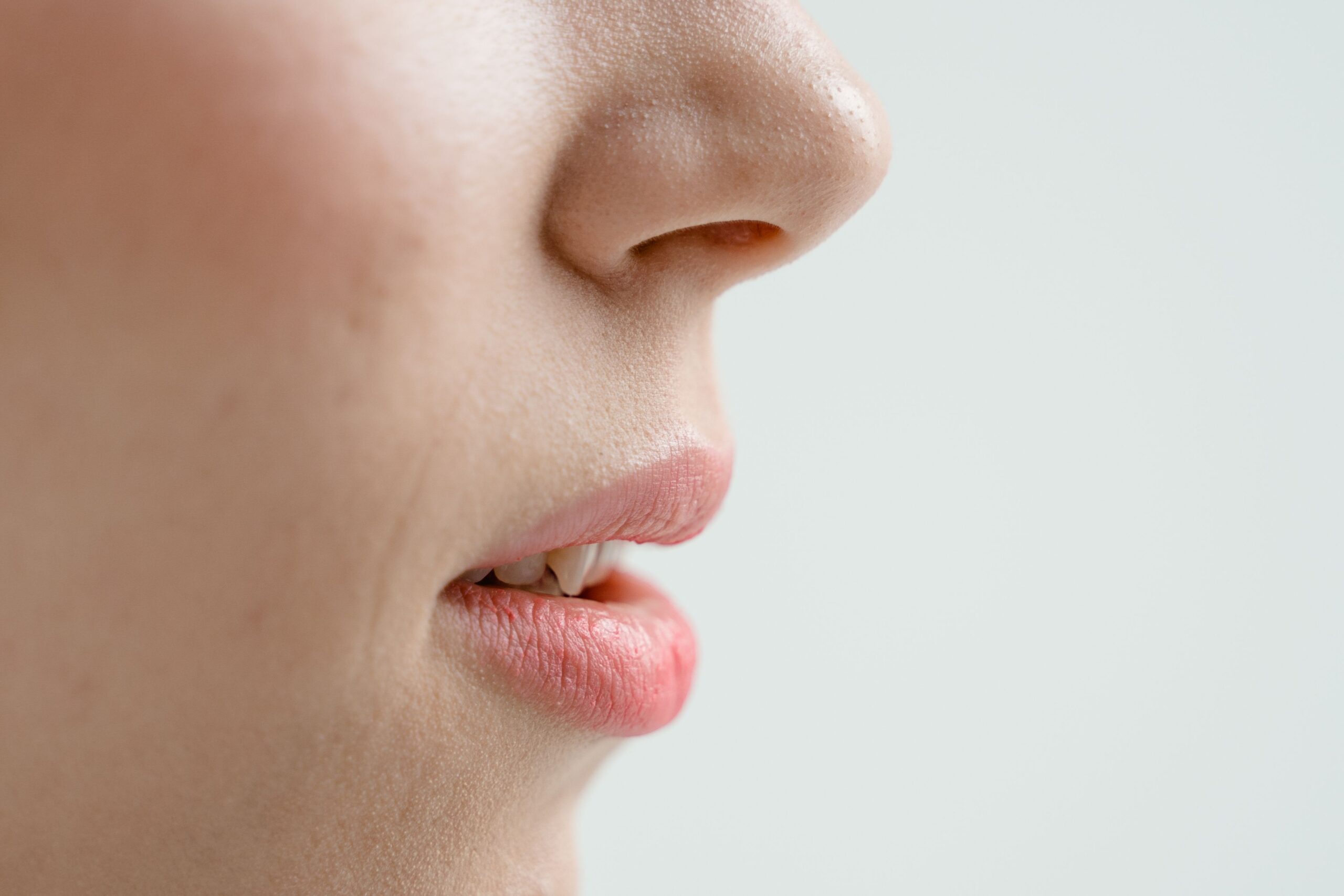
Not everyone who dislikes the shape of their nose wants an operation. For some people the concern is small — a slight bump on the bridge, a tip that could look a little more refined, or asymmetry that shows in photographs — and the idea of surgery, anaesthesia and weeks of recovery feels out of proportion. Liquid Rhinoplasty in Dubai offers a different route: a non-surgical treatment that uses carefully placed dermal filler to change how the nose looks, with no incisions and very little downtime.
This guide explains how the treatment works, what it can and cannot change, who it suits, and how to choose a provider. It is written as general information, not medical advice, and any decision should follow a face-to-face consultation with a qualified practitioner.
How Liquid Rhinoplasty Works
Liquid rhinoplasty uses a gel-like dermal filler, most commonly based on hyaluronic acid, which is injected in very small amounts at precise points along the nose. The filler adds volume where it is needed, so the eye reads the profile differently. A small amount placed above and below a bump on the bridge, for example, can make the bridge look straighter. Filler at the tip can give it a slightly lifted or more defined appearance, and filler along the sides can improve symmetry.
The treatment is usually carried out in a clinic room rather than an operating theatre. After the skin is cleaned, a numbing cream is often applied, and the filler is injected with a fine needle or a blunt-tipped cannula. The practitioner moulds the filler gently into place and checks the result from several angles, including the profile and the front view. The whole appointment often takes less than an hour, and most people return to normal activities the same day.
Because hyaluronic acid fillers are dissolvable, the result is not permanent. How long it lasts varies from person to person, but many people find the effect lasts for several months. A follow-up appointment allows the practitioner to review the result once any swelling has settled and to discuss whether a small top-up is wanted.
What It Can and Cannot Do
It is important to be clear about the limits. Liquid rhinoplasty changes the shape of the nose by adding volume; it cannot make a nose smaller. If the main concern is a nose that feels too large overall, or a breathing problem caused by the internal structure, filler will not solve it, and surgery may be the more honest option. A good practitioner will say this plainly rather than promise a result the treatment cannot deliver.
The treatment suits small, specific concerns best. A dorsal bump that is mild, a slightly drooping tip, a small dent or irregularity after an injury, or mild asymmetry are the kinds of issues filler can address well. It can also be useful for someone who is considering surgical rhinoplasty but wants to see how a straighter profile might look before committing to an operation. It is sometimes called a “trial” of a new shape, although the result of filler and the result of surgery are not identical, and the two should not be confused.
There are also medical limits. The nose has a complex blood supply, and filler injections in this area need a practitioner who understands the anatomy well. People with certain skin conditions, allergies to filler ingredients, or a history of problems in the area should discuss this fully at consultation. The practitioner should also explain the signs that need urgent attention after treatment, such as unusual pain, colour change in the skin, or vision changes, and how to get help quickly.
Who It Suits
Liquid rhinoplasty tends to suit adults who are in good general health, who have a clear and modest goal, and who understand that the result is temporary. It is often chosen by people who want a subtle change for a particular period, or who want to avoid the recovery time of surgery. It is less suitable for anyone looking for a dramatic change, a smaller nose, or a correction to breathing.
Expectations matter a great deal. The change is usually subtle — friends may notice that something looks fresher or more balanced without being able to say exactly what changed. That subtlety is often the point. Anyone expecting a completely different nose is likely to be disappointed, and a responsible practitioner will manage that expectation before treatment begins.
What Happens During the Appointment
A proper consultation comes first. The practitioner should examine the nose from the front, the side and below, ask what bothers the patient, and look at the skin, the cartilage and the overall balance of the face. Photographs are usually taken so the result can be compared afterwards. The plan should be explained in plain terms: where the filler will go, how much will be used, what it should achieve, and what it will not achieve.
On the day, the skin is cleaned and numbing cream is applied if needed. The injections themselves take only a few minutes, although the consultation and the careful checking afterwards take longer. Mild swelling, redness or tenderness at the injection points is common for a day or two, and small bruises can appear. Most people can return to work the same day, although strenuous exercise, heat and pressure on the nose are usually best avoided for a short period, as the practitioner advises.
Results are visible straight away, although the final look settles once swelling fades over a few days. Because the filler can be dissolved if needed, the treatment is reversible in a way surgery is not, which many patients find reassuring.
How to Choose the Right Provider
Experience With the Nose
The nose is a high-risk area for filler, so experience matters more than price or convenience. Ask how often the practitioner performs liquid rhinoplasty, what training they have, and how they manage complications. A practitioner who treats this area regularly will be more familiar with the anatomy and with what can go wrong.
A Proper Consultation
A good provider will not agree to treat after a brief chat. Expect a proper examination, a discussion of what is realistic, and time to think. Be cautious of any provider that promises an exact result or pressures a quick decision. For a personalised assessment of whether filler or another approach suits your nose, Enfield Royal Clinic Dubai is one place in Dubai, UAE where the options can be discussed with DHA-licensed professionals, with procedure-specific aftercare.
Product and Safety
Ask which filler product will be used, whether it is dissolvable, and what the aftercare instructions are. A reputable clinic will answer these questions directly and will explain what to do if something does not feel right afterwards.
Realistic Results
A trustworthy provider will explain that the result is temporary, that swelling takes a few days to settle, and that the change will be subtle. If a clinic promises a perfect result with no risks, that is a reason to look elsewhere.
Follow-Up
Check what follow-up is included and how the clinic handles concerns after treatment. Because the result settles over days, a review appointment is a sensible part of the process.
Frequently Asked Questions
What is liquid rhinoplasty?
Liquid rhinoplasty is a non-surgical treatment that uses dermal filler to change the shape of the nose. Small amounts of filler are injected at precise points to smooth a bump, refine the tip or improve symmetry, without incisions or surgery.
How long do the results last?
How long the result lasts varies from person to person, but many people find the effect lasts for several months. The filler gradually breaks down over time, and a top-up can be discussed at a review appointment if the patient wishes.
Is liquid rhinoplasty painful?
Most patients describe mild discomfort rather than severe pain. Numbing cream is usually applied before the injections, and the filler itself often contains a local anaesthetic. Tenderness and swelling for a day or two afterwards are common.
Can liquid rhinoplasty make my nose smaller?
No. Filler adds volume, so it cannot make a nose smaller overall. It can make a bump look less noticeable by straightening the profile, but anyone whose main goal is a smaller nose should discuss surgical options instead.
Is the treatment reversible?
Hyaluronic acid fillers can be dissolved with an enzyme if needed, which makes the treatment reversible in a way surgery is not. This should still be discussed at consultation, including when dissolving would and would not be appropriate.
Conclusion
Liquid rhinoplasty is a useful option for people who want a subtle, temporary change to the shape of their nose without surgery. It works best for small, specific concerns, it is visible quickly, and it can be reversed if needed. It is not a substitute for surgery where a smaller nose or a breathing correction is the goal, and it needs a practitioner who understands the anatomy of the nose well. Patients who take time over the consultation, ask direct questions about experience and safety, and keep their expectations realistic are more likely to be satisfied with the result — a slightly smoother profile from a non-surgical nose job that fits the rest of the face.