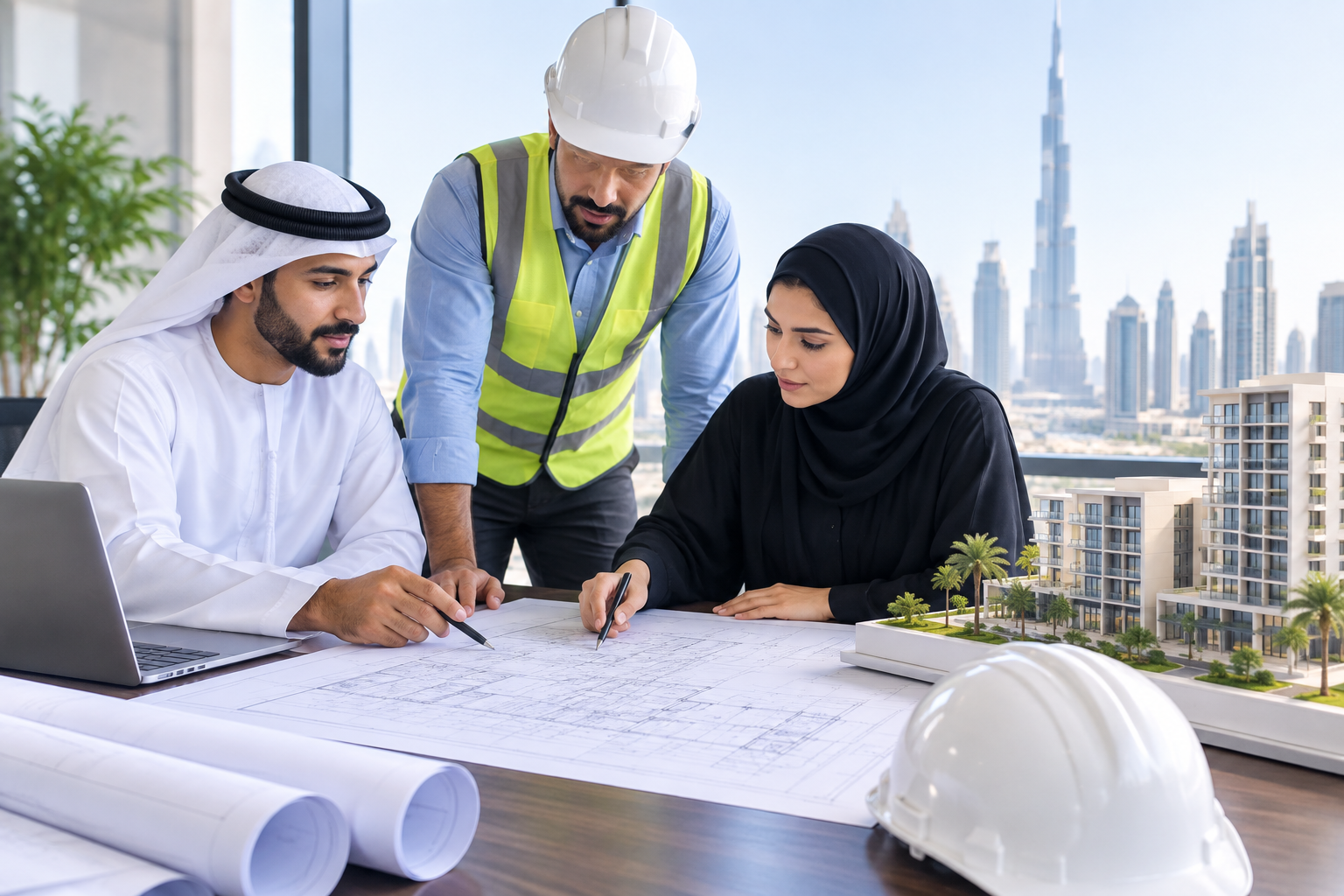
Dubai is a growing business hub where offices, shops, restaurants, commercial spaces, and residential properties are constantly being developed and renovated. Before starting a fit-out, renovation, or modification project, it is important to understand the approval requirements of the relevant authorities. Proper planning helps avoid delays, additional costs, and compliance issues.
Building approvals depend on the project’s location, type of work, building requirements, and applicable regulations. Understanding the process in advance can make project management easier for property owners, tenants, contractors, and business owners.
Why Are Building Approvals Important in Dubai?
Building approvals help ensure that construction and interior modification work follows applicable safety standards, technical requirements, and local regulations. Depending on the project, approvals may be required for architectural drawings, electrical systems, plumbing, fire safety, structural changes, and other technical installations.
Starting work without the necessary permits can lead to project delays, penalties, or instructions to correct non-compliant work. Therefore, identifying the relevant authority before beginning construction is an essential first step.
1. Understanding Dubai Municipality Approval
Dubai Municipality plays an important role in regulating building activities and ensuring compliance with applicable construction requirements. Depending on the project, permits may be required for renovation, maintenance, interior modifications, and other building-related works.
Obtaining a Dubai municipality permit may involve preparing technical drawings, collecting supporting documents, coordinating with the relevant parties, and submitting an application for review.
Before applying, property owners and contractors should confirm which approvals are required for their specific project. The documentation can vary depending on the nature and scale of the proposed work.
Tips for a smoother application:
- Prepare accurate architectural and engineering drawings.
- Confirm the property’s existing approved plans.
- Obtain the necessary landlord or building management permissions.
- Check whether additional authority approvals are required.
- Address technical comments before resubmitting documents.
Proper preparation can reduce avoidable revisions and help the project move forward more efficiently.
2. Why Dubai Civil Defence Approval Matters
Fire and life safety are essential considerations for commercial and residential properties. Depending on the project, fire safety systems and related installations may require review and approval by Dubai Civil Defence.
A dubai civil defence certificate may be relevant when completing applicable fire safety approval procedures. Requirements depend on the type of building, its intended use, the proposed modifications, and the applicable approval stage.
Fire safety considerations can include fire alarm systems, firefighting equipment, emergency exits, smoke control, and fire-rated building materials. The design and installation must meet the requirements applicable to the project.
How to Prepare for Civil Defence Approval
First, identify the fire safety requirements that apply to the property. Next, ensure that the relevant drawings and technical specifications are prepared by qualified professionals. Where required, coordinate the submission with the responsible consultant and contractor.
During execution, ensure that the installed systems match the approved design. Required inspections, testing, commissioning records, and completion documents should be arranged as applicable.
Planning these activities early helps reduce the risk of delays during the final approval stage.
3. Trakhees EHS Approval for Projects in Designated Areas
Trakhees provides regulatory services for developments and businesses within its applicable jurisdiction. Projects in designated areas may need permits or clearances related to engineering, environmental, health, and safety requirements.
The trakhees ehs approval process depends on the project location, proposed activity, and type of modification. Contractors and tenants should confirm the specific requirements before commencing work.
For fit-out and modification projects, relevant submissions may include architectural layouts, engineering drawings, safety information, and supporting documents. Additional permissions or clearances may also be necessary depending on the project.
Common Steps for Trakhees Applications
Start by confirming whether the property falls under the relevant Trakhees jurisdiction. Prepare the drawings and supporting documents required for the proposed work, then submit the application through the applicable process.
Review any comments received from the authority and make the necessary corrections. Once the required permissions are obtained, ensure that the work follows the approved plans and applicable safety requirements.
Early coordination between the tenant, consultant, contractor, and building management can make the process more organised.
4. Understanding Nakheel Approval in Dubai
Nakheel manages developments where property owners, tenants, and contractors may need to follow specific community, building management, and project approval procedures. Requirements can differ according to the property, development, and nature of the proposed work.
Obtaining Nakheel approval dubai may be necessary for applicable fit-out, renovation, or modification projects within relevant Nakheel-managed developments.
Depending on the project, applicants may need to provide proposed layouts, technical drawings, contractor details, relevant permits, and supporting documents. Building management permissions and approvals from other authorities may also be required.
How to Avoid Delays in Nakheel Approval
Before preparing the application, confirm the specific requirements for your property and proposed work. Check whether the drawings must follow particular submission standards and whether any additional permissions are needed.
Make sure that all documents are consistent and that the contractor understands the approved scope of work. If revisions are requested, respond promptly and submit the corrected documents through the appropriate channel.
Following the applicable procedures helps maintain compliance and supports smoother project coordination.
5. Common Documents Required for Building Approvals
Although requirements differ between authorities and projects, several documents are commonly requested during the approval process.
These may include:
- Architectural and interior layout drawings.
- Electrical and mechanical drawings, where applicable.
- Fire safety drawings and technical specifications, where required.
- Property ownership, tenancy, or Ejari documents, as applicable.
- Landlord or building management No Objection Certificates.
- Contractor and consultant appointment documents.
- Existing approved drawings and proposed modifications.
- Additional permits or clearances from relevant authorities.
This list is a general guide rather than a complete checklist. Applicants should verify the current requirements for their specific project before submitting an application.
6. Common Reasons for Approval Delays
Approval delays can occur when applications contain incomplete information, drawings do not meet submission requirements, or the proposed work conflicts with existing approved plans.
Other issues may include missing No Objection Certificates, incorrect technical details, incomplete fire safety information, and delayed responses to authority comments.
To minimise these problems, applicants should review their documents carefully before submission. They should also maintain communication with the relevant consultant, contractor, property management team, and authority.
It is equally important to obtain the necessary approvals before starting work. Any changes to the approved design should be reviewed through the appropriate process rather than implemented without permission.
7. How Professional Approval Assistance Can Help
Managing several approval requirements can be challenging, particularly when a project involves different authorities or technical disciplines. Professional approval assistance can help identify the relevant requirements, organise documentation, coordinate submissions, and track comments.
An experienced approval consultant can also help applicants understand the sequence of required approvals and identify potential documentation gaps before submission.
However, approval timelines and outcomes depend on the authority’s requirements, project complexity, document quality, and review process. No consultant can guarantee approval or a fixed completion date in every case.
Choosing the right support can help property owners and contractors manage the administrative side of a project more efficiently while keeping their attention on design, budgeting, and execution.
Conclusion
Building approvals are an important part of fit-out, renovation, and construction projects in Dubai. Understanding the requirements of Dubai Municipality, Dubai Civil Defence, Trakhees, and Nakheel helps applicants prepare the right documents and plan their projects more effectively.
The best approach is to confirm the relevant authority, prepare accurate drawings, obtain the necessary permissions, and respond quickly to technical comments. Careful preparation can reduce avoidable delays and support compliance with applicable regulations.
If you need assistance with building permits, technical submissions, or authority approvals, Approvals.ae can help you understand the process and coordinate your approval requirements.
Contact Approvals.ae
Office: 501, Al Rahaf Tower, Al Qusais Industrial Area 4, Post Box 35361, Dubai
Phone: +971 55 635 8085
Website: https://approvals.ae/