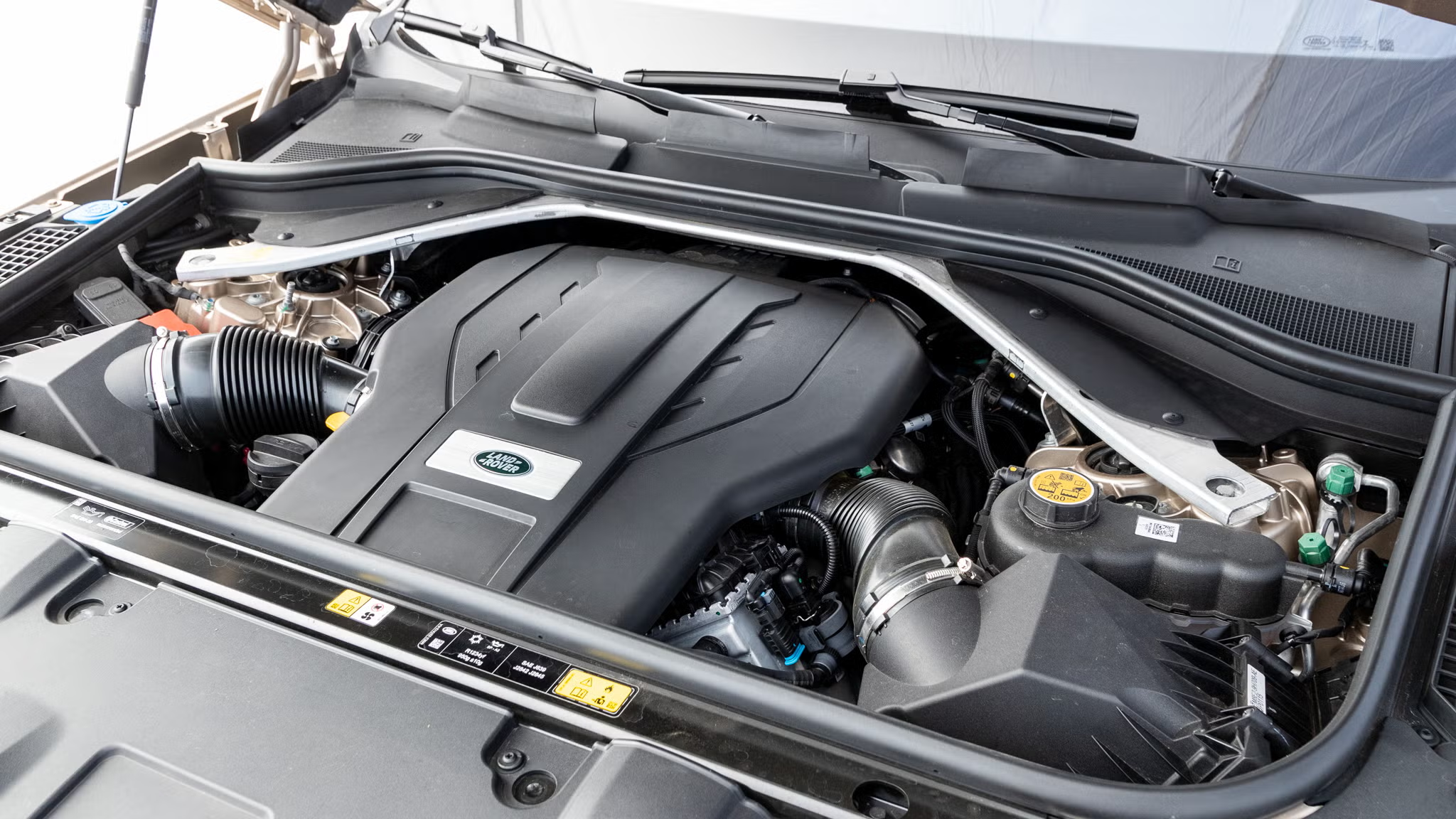
Introduction
A reconditioned engine offers an alternative to purchasing a completely new replacement when an original powertrain develops serious mechanical problems. The process usually involves dismantling the existing unit, inspecting its components, replacing damaged parts, and restoring important operating functions. However, the quality of this work depends heavily on the workshop’s experience and rebuilding standards. A reconditioned Land Rover Engine 2.0 may provide dependable performance when technicians follow appropriate procedures and use suitable replacement components. Buyers should always ask what work the rebuild included because some suppliers perform comprehensive restoration while others replace only selected damaged parts.
Quality of Replacement Components and Internal Parts
The components used during rebuilding directly influence the engine’s performance and expected service life. Technicians may need to replace pistons, bearings, seals, gaskets, timing components, or other worn parts after completing a detailed inspection. Reputable rebuilders select components that meet the manufacturer’s required specifications rather than relying on unsuitable alternatives. When purchasing a Land Rover Engine 2.0, buyers should request information about replacement brands, machining standards, and the origin of important internal components. High-quality materials and accurate installation help reduce mechanical problems. A detailed parts list also makes it easier to assess the overall value of the replacement.
Workshop Experience and Professional Rebuilding Standards
A successful rebuild requires specialist knowledge, suitable equipment, and careful attention to engineering measurements. Technicians must inspect cylinder surfaces, assess crankshaft condition, check clearances, and restore components within acceptable tolerances. Poor machining or incorrect assembly can create excessive friction, oil consumption, overheating, and premature wear. Buyers considering a Land Rover Engine 2.0 should investigate the supplier’s experience with the relevant petrol or diesel version. Ask about previous rebuilding projects, workshop facilities, diagnostic equipment, and quality-control procedures. Choosing an experienced specialist provides greater confidence than selecting a supplier based entirely on an attractive price or quick delivery promise.
Warranty Coverage and Protection Against Mechanical Failures
Warranty protection provides an important indication of the supplier’s confidence in its rebuilding work. Buyers should examine the coverage period, mileage restrictions, labour arrangements, and exclusions before accepting any replacement engine. Some warranties cover internal components but exclude installation errors, overheating, lubrication failures, or related vehicle systems. A supplier offering a Land Rover Engine 2.0 should explain its warranty conditions in writing and provide clear instructions for making claims. Buyers should also confirm whether an approved workshop must complete installation. Understanding these conditions beforehand helps prevent disagreements if the replacement develops a mechanical problem during the coverage period.
Checking Engine Compatibility Before Installation
Compatibility is essential when replacing an engine because different models and manufacturing years can use different mechanical and electronic configurations. Buyers should verify the engine code, vehicle identification number, mounting arrangements, transmission compatibility, wiring connections, and emissions equipment before ordering. A Land Rover Engine 2.0 must match the vehicle’s actual requirements rather than simply share the same advertised capacity. Petrol and diesel versions also require different supporting components and installation procedures. Consulting a qualified Land Rover specialist helps identify suitable replacements. Accurate compatibility checks can prevent unnecessary modifications, additional expenses, and installation delays after the engine arrives.
Installation Quality and Correct Mechanical Calibration
Even a professionally rebuilt engine can experience problems if technicians install it incorrectly. Proper installation involves connecting fuel lines, cooling systems, electrical components, exhaust equipment, and transmission-related connections according to the manufacturer’s procedures. Technicians should also use suitable fluids, inspect surrounding components, and complete necessary diagnostic checks. After fitting a Land Rover Engine 2.0, the workshop should verify oil pressure, coolant circulation, operating temperature, and electronic communication. Correct calibration helps the engine and vehicle systems work together properly. Buyers should request installation documentation and confirm that the workshop provides a final inspection before returning the vehicle.
Running Costs and Long-Term Ownership Value
Purchase price represents only one part of the financial decision when choosing a replacement engine. Buyers should also consider installation charges, replacement fluids, supporting repairs, servicing expenses, and potential downtime. A cheaper reconditioned unit may become expensive if it requires additional work shortly after installation. Comparing different Land Rover Engine 2.0 suppliers helps owners understand the complete financial commitment. Request separate estimates for parts, labour, transportation, and warranty protection. A properly rebuilt engine may offer useful savings compared with a new replacement, but its actual value depends on workmanship, component quality, and the supplier’s after-sales support.
Testing Procedures and Inspection Before Final Acceptance
Testing helps establish whether a rebuilt engine operates correctly before the supplier releases it to the customer. Depending on the rebuild and available facilities, checks may include compression testing, oil pressure measurements, leak inspections, diagnostic scanning, and running assessments. Buyers should request documented results rather than accepting general verbal assurances. Before accepting a Range Rover Engine 2.0, confirm that the supplier has investigated unusual noise, excessive smoke, fluid leaks, and temperature irregularities. A qualified mechanic should also inspect the installation after fitting. These checks cannot eliminate every future risk, but they can reveal problems before regular driving begins.
Maintenance Requirements After Receiving a Rebuilt Engine
A reconditioned engine requires consistent maintenance to support reliable operation after installation. Owners should follow the rebuilder’s written instructions alongside the manufacturer’s requirements, particularly during the initial operating period. Correct oil specifications, timely filter replacement, suitable coolant, and regular inspections help protect internal components. Drivers should avoid excessive engine loads until the workshop confirms that any recommended initial procedures have been completed. A Land Rover Engine 2.0 needs particular attention to warning lights, unusual sounds, fluid levels, and temperature changes. Maintaining service records also helps owners track performance and identify developing mechanical concerns throughout ownership.
Making the Final Decision About a Reconditioned Engine
A reconditioned engine can represent a practical replacement when buyers understand its rebuilding history and evaluate the supplier carefully. Workshop reputation, component quality, compatibility, installation standards, testing results, and warranty conditions all influence the final decision. Before purchasing a Land Rover Engine 2.0, compare written quotations and request independent advice from an experienced specialist. Avoid suppliers who cannot explain their rebuilding procedures or provide clear documentation. A professionally restored unit may offer worthwhile value, but no rebuilding process guarantees trouble-free operation indefinitely. Careful research and realistic expectations help owners choose a replacement that suits their vehicle and budget.