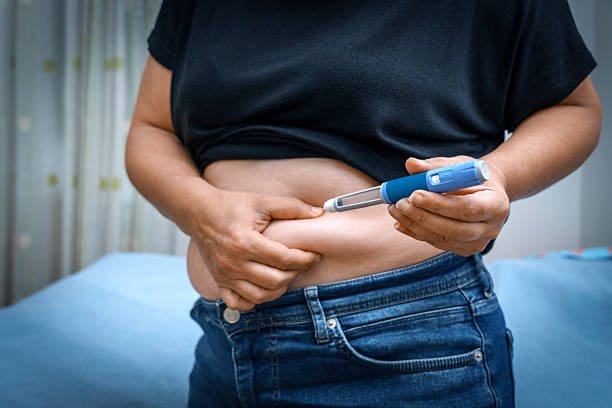
People who exercise regularly and make thoughtful food choices may still find that certain areas of body fat are difficult to change. Saxenda Injections in Abu Dhabi may be considered as part of a medically supervised weight-management plan for eligible adults. They are not designed to target fat in one specific area; instead, they can support overall weight reduction when combined with sustainable lifestyle habits.
What Saxenda Is and How It Works
Saxenda is a prescription medicine containing liraglutide. It acts on pathways involved in appetite regulation and fullness. For some people, this can help reduce hunger and make it easier to manage portions and daily food intake.
The medicine is given as an injection under the skin, according to a prescribed schedule. A qualified healthcare professional determines whether it is appropriate, explains how it should be used, and monitors progress. It is not a quick cosmetic treatment or a substitute for balanced eating and regular movement.
Can It Reduce Stubborn Fat?
Saxenda does not selectively melt fat from the abdomen, thighs, arms, or another particular body area. When weight is lost, the body draws on stored energy across different areas. The order and amount of change can vary from person to person and are influenced by factors such as genetics, body composition, age, and activity patterns.
For someone whose main concern is a small, isolated area, an appetite-regulating medicine may not match that goal. Its role is broader: supporting weight management for people who meet the relevant medical criteria. A healthcare professional can help clarify whether the aim should be overall weight loss, improved health measures, or a different approach.
Who May Be Considered
Suitability depends on an individual’s health, weight-related circumstances, medical history, and treatment goals. A clinician will assess these details rather than relying on appearance alone. They may also review current medicines and discuss whether a structured weight-management plan is appropriate.
A person should not begin Saxenda based solely on another person’s experience or online advice. The right plan is individual, and the medicine requires a prescription and professional guidance. Honest discussion about eating patterns, past weight-management efforts, and expectations can help make that assessment more useful.
What to Expect From a Weight-Management Plan
A plan that includes Saxenda usually involves more than the injection itself. Healthcare professionals may recommend realistic changes to eating habits, physical activity, sleep, and other routines. These steps can help create a consistent approach and provide support if progress slows.
Progress is generally assessed over time rather than by a single weigh-in. The focus may include changes in weight, daily habits, and relevant health indicators. Results differ, and treatment does not guarantee a particular amount of weight loss. The clinician can review progress and decide whether the approach remains suitable.
Why Results Differ Between People
Weight change is affected by many interacting factors. Appetite, food access, stress, sleep, underlying health conditions, and activity levels can all influence a person’s experience. Some people notice meaningful changes in their eating habits, while others find that progress is more modest.
Body shape may also change unevenly. Even when overall weight decreases, a person may continue to notice fat in a particular area. That does not necessarily mean the treatment has failed; it reflects the fact that medication cannot control where the body loses fat first.
Supporting Sustainable Progress
People using a prescribed weight-management treatment may find it helpful to focus on habits that can continue over the long term. A balanced pattern of meals, regular movement suited to personal ability, and consistent sleep can support general wellbeing. Small, repeatable changes are often easier to maintain than strict routines that feel difficult to sustain.
Progress can be tracked in ways beyond the scale, such as energy, mobility, or how comfortably everyday clothing fits. These observations should complement—not replace—professional follow-up. Setting practical expectations may help prevent frustration when changes occur gradually.
FAQs
Does Saxenda target belly fat?
No. Saxenda is not a spot-reduction treatment. It may support overall weight loss in eligible people, but it cannot direct the body to reduce fat from the abdomen or any chosen area.
Is Saxenda suitable for everyone who wants to lose weight?
No. Suitability depends on medical criteria and personal health circumstances. A qualified healthcare professional should assess whether it is appropriate and explain any relevant considerations before treatment begins.
Does Saxenda work without lifestyle changes?
It is intended to be used as part of a broader weight-management plan. Eating habits, regular activity, and other sustainable routines remain important. The injection alone should not be viewed as a complete solution.
How quickly can someone expect to see a difference?
The timing and extent of progress vary. A healthcare professional can explain what to monitor and when progress should be reviewed. It is more useful to assess a person’s overall pattern over time than to expect an immediate or guaranteed result.
What if the main concern is one small area?
A medicine that supports overall weight management may not address a small, isolated area in the way someone hopes. A professional consultation can help clarify realistic options based on the person’s goals and health.
A Thoughtful Approach to Stubborn Fat
Saxenda may help some eligible people manage overall weight by supporting appetite control, but it does not target stubborn fat in a specific body area. Anyone considering treatment should seek an individual assessment, understand what the medicine can and cannot do, and build a realistic plan with professional support.