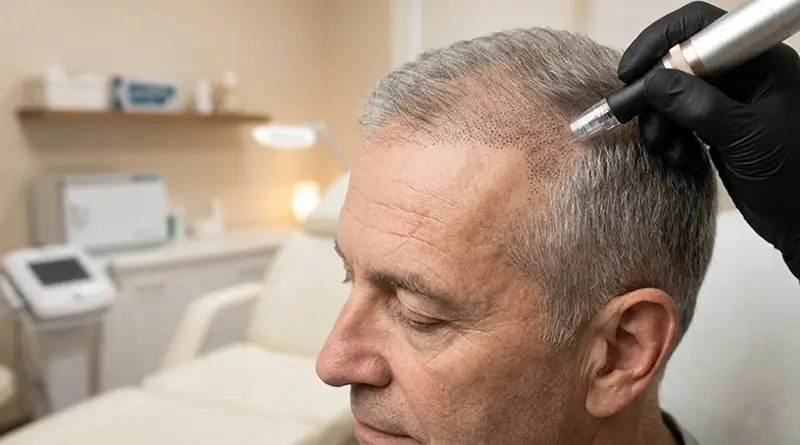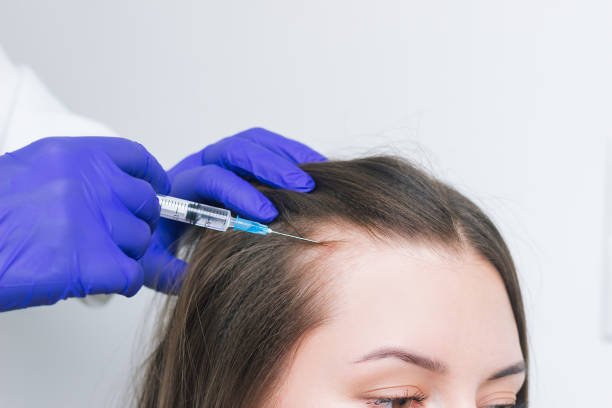
Platelet-rich plasma (PRP) therapy is a procedure that uses a concentrated portion of a person’s own blood to support hair growth. PRP Hair Treatment in Abu Dhabi is designed to encourage activity in the scalp by placing platelet-rich plasma in areas where hair is thinning. Platelets contain growth factors, which are proteins involved in the body’s normal repair and renewal processes. The treatment aims to create a supportive environment for existing hair follicles rather than introduce new follicles.
How the Treatment Works
The process generally begins with a small blood sample. The sample is processed in a centrifuge, which separates its components and concentrates the platelets in a portion of plasma. A trained practitioner then applies this platelet-rich plasma to selected areas of the scalp using small injections.
The aim is to deliver growth factors near hair follicles. These signals may support cellular activity and circulation around the follicles. If follicles are still present but producing finer or weaker hairs, they may respond better than areas where follicles have been inactive for a long time. Results can vary because hair loss has different causes and progresses differently from person to person.
Ways PRP May Support Hair Growth
Supporting follicle activity
Hair follicles move through natural growth and resting phases. In some forms of hair thinning, the growth phase becomes shorter, and individual strands may become finer over time. PRP may help support follicle activity and encourage a more favourable growth cycle. The goal is often to improve the thickness or density of existing hair, not to make hair appear immediately.
Encouraging a healthier scalp environment
Growth factors in platelets play a role in the body’s repair processes. When PRP is placed in the scalp, it may support the local environment around follicles. This may help some follicles function more effectively, although it does not guarantee a particular result. A practitioner typically considers the pattern of hair loss, scalp condition, and overall health before recommending a treatment plan.
Helping strengthen existing hair
Some people seek PRP because their hair looks less dense or individual strands feel finer. If treatment supports follicle function, hair may gradually look fuller as new growth develops and existing strands become more robust. Any changes generally take time because hair grows slowly. Before-and-after comparisons made over several months can give a more useful picture than checking appearance from day to day.
What to Expect During a Treatment Plan
PRP is usually delivered over a series of sessions rather than as a one-time procedure. The number and timing of sessions depend on the individual’s needs and the practitioner’s assessment. Follow-up sessions may be suggested to maintain progress, but the schedule is not the same for everyone.
The procedure itself is typically carried out during an appointment, and the person can discuss comfort, preparation, and suitability beforehand. A consultation also gives the practitioner an opportunity to understand the person’s hair-loss history and clarify what the treatment can realistically achieve. PRP is not suitable for every cause of hair loss, so a careful assessment matters.
Who May Consider PRP?
PRP may be considered by people experiencing certain types of thinning who still have active hair follicles in the affected areas. It may be used on its own or as part of a broader hair-restoration plan, depending on professional advice. It is not a universal solution for every form of hair loss, and it cannot promise the same outcome for everyone.
A person should share relevant health information and explain when the thinning began, how it has changed, and whether there are other symptoms. These details can help a practitioner determine whether PRP is appropriate or whether another evaluation is needed.
Understanding Results and Expectations
Hair growth is gradual, so visible changes may take several months. Some people notice reduced shedding or improved thickness, while others see only modest changes. The response depends on factors such as the cause and duration of hair loss, follicle condition, general health, and consistency with the recommended schedule.
PRP does not create instant coverage, and it may not restore hair in areas where follicles are no longer capable of producing strands. Clear expectations help people assess progress realistically. A practitioner may use photographs or other tracking methods to compare changes over time and discuss whether continuing treatment makes sense.
Frequently Asked Questions
Does PRP create new hair follicles?
PRP is intended to support existing follicles; it does not create new ones. Its potential benefit is related to encouraging activity in follicles that remain capable of producing hair.
When might changes become noticeable?
Changes, if they occur, are usually gradual because the hair-growth cycle takes time. A person may need several months to assess progress, and the timing differs from one individual to another.
Is PRP suitable for every type of hair loss?
No. Hair loss can result from many different causes, and PRP may be more appropriate for some patterns than others. A professional assessment is important to identify the likely cause and discuss suitable options.
How many sessions are usually needed?
There is no single schedule that applies to everyone. The practitioner may recommend an initial series and later review progress before suggesting any additional sessions.
Can PRP guarantee thicker hair?
No treatment can guarantee a specific result. PRP may support growth for some people, but outcomes depend on individual circumstances, including the condition of the follicles and the reason for hair loss.
A Supportive Approach to Hair Restoration
PRP offers a way to use a person’s own platelet-rich plasma to support the scalp and existing follicles. For suitable candidates, it may contribute to stronger-looking hair or improved density over time. An informed decision starts with a professional evaluation, realistic expectations, and an understanding that results vary.