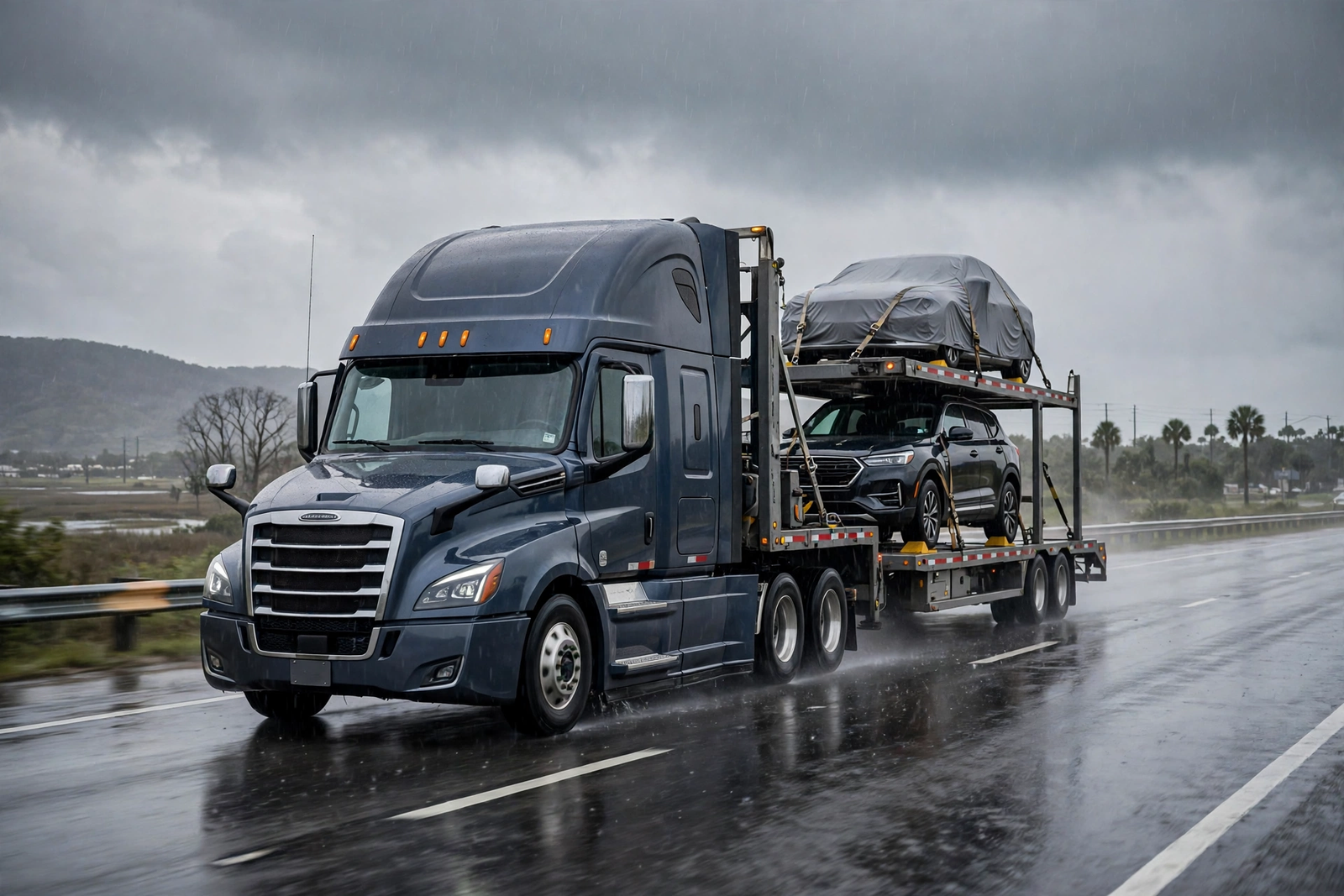
Moving a vehicle from New York to Florida might look like a straightforward road trip on a map. However, anyone who has driven this route knows that covering more than 1,000 miles involves much more than getting behind the wheel. Traffic congestion, fuel expenses, overnight stops, unpredictable weather, and vehicle wear can turn a simple relocation into a tiring experience.
For snowbirds, families relocating permanently, college students, and people purchasing property in Florida, arranging professional vehicle transportation offers another way to manage the journey. Choosing to transport car from NY to Florida allows owners to send their vehicles separately while making their own travel arrangements.
Rapid Auto Shipping helps customers coordinate interstate vehicle transportation, offering an alternative to personally driving long distances.
The New York to Florida Route Has More Complications Than Expected
The journey from New York to Florida crosses several states and different driving environments. Depending on the starting point and destination, drivers may travel through New Jersey, Delaware, Maryland, Virginia, North Carolina, South Carolina, and Georgia.
Each section brings its own challenges.
- Heavy traffic: Leaving the New York metropolitan area can involve congestion, especially during weekday rush hours.
- Changing weather: Northern sections may experience cold temperatures and winter precipitation, while southern states can bring heavy rain.
- Toll expenses: Certain highway routes include toll roads that increase travel costs.
- Overnight planning: Drivers covering the distance over multiple days need suitable accommodation and rest stops.
- Vehicle fatigue: Extended highway driving adds mileage and wear to tires, brakes, and other components.
These challenges become more noticeable when the vehicle owner has a strict relocation schedule.
What Drivers Often Forget to Include in Their Road Trip Budget
Fuel is usually the first expense people calculate when planning a long-distance drive. Unfortunately, it is only one part of the total cost.
Consider the additional expenses involved:
| Expense | Why it matters |
| Fuel | Depends on vehicle efficiency and current fuel prices |
| Hotels | Overnight stays may be necessary |
| Meals | Food expenses accumulate throughout the journey |
| Tolls | Highway routes may include multiple toll charges |
| Maintenance | Long-distance driving increases vehicle usage |
| Lost time | Several days may be spent traveling |
A family relocating from Buffalo to Miami, for example, may need to coordinate work schedules, school arrangements, and household moving services alongside the vehicle journey.
Professional shipping provides a way to separate vehicle transportation from personal travel. Although shipping has its own cost, comparing the complete expenses gives a more realistic picture.
Why Snowbirds and Permanent Movers Choose Vehicle Shipping
The New York–Florida corridor is popular among seasonal residents who divide their time between northern and southern homes.
For these travelers, driving the same route twice every year can become exhausting.
Professional transportation is useful in several situations:
Winter escapes: Retirees heading toward Miami, Naples, Tampa, or Orlando can arrange vehicle delivery without driving through the entire East Coast.
Spring returns: When warmer weather arrives, owners can coordinate transportation back to New York.
Permanent relocation: Families moving to Florida for employment or retirement can focus on personal travel and household arrangements.
College transitions: Students attending universities in Florida may need their personal vehicles moved from New York.
Vehicle purchases: Buyers purchasing cars from another state can arrange delivery without collecting the vehicle themselves.
Open Carrier or Enclosed Trailer: Which Makes More Sense?
The right transportation method depends on the vehicle and the owner’s protection preferences.
- Open auto transport
Open carriers are widely used for everyday vehicles, including sedans, SUVs, and pickup trucks. They are a popular option for customers looking for economical interstate transportation.
- Enclosed auto transport
Enclosed carriers transport vehicles inside a covered trailer, offering additional protection from weather and road debris. Owners of classic cars, luxury automobiles, and expensive collectibles may prefer this option.
Before booking, compare the services, estimated delivery arrangements, insurance information, and loading requirements rather than choosing exclusively by price.
Five Planning Decisions That Can Prevent Last-Minute Problems
A successful vehicle shipment starts before the carrier arrives.
- Choose your dates early: Seasonal demand may increase around winter departures and spring returns.
- Check both addresses: Make sure the pickup and delivery locations can accommodate a large transport truck.
- Prepare vehicle details: Share the make, model, year, dimensions, and operating condition.
- Document the vehicle: Photograph the exterior and interior before pickup and review the inspection report.
- Coordinate delivery: Keep your phone available and arrange someone to receive the vehicle if you will arrive later.
Customers should also remove personal belongings and loose accessories before transportation.
How Rapid Auto Shipping Helps With New York to Florida Moves
Finding a transportation provider that understands interstate routes and seasonal relocation requirements can make the process easier to organize.
Rapid Auto Shipping offers nationwide vehicle transportation services, including open and enclosed shipping, door-to-door service, free instant quotes, and real-time shipment updates.
With more than 14 years of industry experience, the company assists customers coordinating vehicle movements between states.
Whether someone is moving from New York City to Jacksonville, Albany to Orlando, or Buffalo to Tampa, customers can discuss their pickup and delivery requirements before arranging transportation.
Rapid Auto Shipping serves all 50 states and provides insured transportation arrangements. Customers can request an estimate by sharing their vehicle details, route, and preferred shipping dates.
The goal is to make vehicle relocation a manageable part of a larger move rather than another long-distance driving responsibility.
Make the Journey Easier Without Driving Every Mile
The New York-to-Florida journey may be an exciting transition, but driving the entire distance isn’t always the most convenient choice. Fuel expenses, traffic, overnight stops, and additional vehicle mileage deserve consideration before making a decision.
Choosing to transport cars from NY to Florida gives vehicle owners another way to organize seasonal travel and permanent relocation.
Rapid Auto Shipping offers vehicle transportation solutions across the USA to help customers coordinate their next move.
Frequently Asked Questions
1. How far is the drive from New York to Florida?
The distance depends on the starting and ending cities. New York City to Miami is approximately 1,280 miles by road, although the exact route may vary.
2. Is it better to ship or drive a car from New York to Florida?
Shipping may be more convenient for people who want to avoid long-distance driving, additional mileage, and overnight travel expenses. Driving may suit those who enjoy road trips and have sufficient time.
3. How long does car transportation from New York to Florida take?
Transit time depends on the exact route, pickup arrangements, carrier schedule, weather, and delivery location. Customers should confirm estimated pickup and delivery windows before booking.
4. Can I ship my SUV from New York to Florida?
Yes. SUVs and pickup trucks can generally be transported using suitable carriers. Larger vehicles should be disclosed when requesting an estimate.
5. Is door-to-door vehicle transportation available?
Yes. Door-to-door service may be available when both locations have safe and accessible roads for the carrier. Alternative meeting points may be necessary in restricted areas.
6. When should snowbirds book their vehicle shipment?
Booking several weeks before the planned departure is a sensible approach, particularly during busy winter and spring relocation periods.