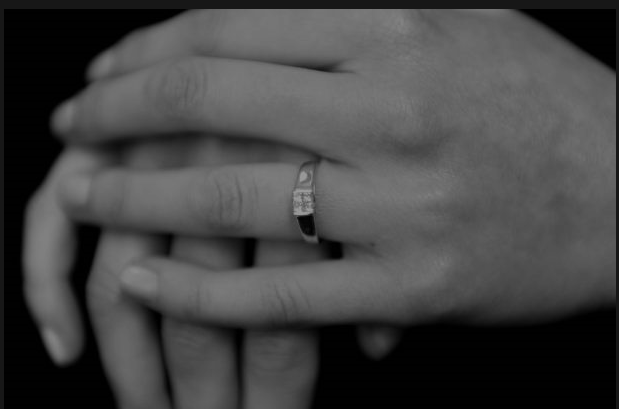
An engagement ring holds special meaning, but choosing one involves more than finding a beautiful design. Since you’ll likely wear it regularly, even small details can influence how comfortable and practical it feels. However, a ring that looks perfect in a jewelry display may feel different during everyday activities. Finding the right balance between appearance and functionality is essential.
Follow the guide below to choose an engagement ring that feels comfortable, protects its gemstone, and suits your lifestyle.
Key Takeaways
- Comfortable band profiles prevent unnecessary pressure during daily wear.
- Secure settings help protect diamonds from accidental impacts.
- Low-profile designs reduce snagging on clothing and objects.
- Durable metals offer different levels of scratch resistance and maintenance.
- Accurate sizing keeps rings comfortable and reduces the risk of slipping.
How to Choose an Engagement Ring for Comfort, Security, and Everyday Wear
- Choose a Comfortable Band Profile
Band design affects how an engagement ring feels throughout the day. Comfort-fit bands feature rounded interior edges that sit smoothly against the finger, reducing pressure during regular movement.
Bandwidth also influences comfort. Wider rings may feel tighter than narrower styles, even when they share the same size.
When comparing designs, consider:
- Rounded Interiors: Reduce pressure against the skin.
- Moderate Widths: Offer comfortable movement and support.
- Smooth Edges: Help prevent irritation during extended wear.
Try different band profiles before purchasing. The right design should feel secure without pinching when bending your fingers.
- Prioritize Secure Diamond Settings
Diamond settings determine how securely the center stone remains attached during everyday activities.
Prong settings hold diamonds with small metal claws, while bezel settings surround the stone’s edges for additional protection.
For pear engagement rings, protective V-shaped prongs are especially useful because the pointed tip is more vulnerable to accidental damage.
Settings with poorly finished prongs may catch on clothing or loosen over time. Before purchasing, examine the setting from multiple angles and confirm that the gemstone is securely set. A well-constructed setting helps protect the diamond without compromising the ring’s appearance.
- Consider a Low-Profile Setting
The ring’s height influences how easily it catches on clothing, gloves, or nearby objects.
High-profile designs position the center stone farther above the finger, creating a prominent appearance but increasing exposure during daily activities.
Low-profile settings hold the diamond closer to the band, making them practical for people who frequently work with their hands. When selecting an engagement ring, examine its side profile and check whether the setting feels comfortable during ordinary movements.
Also consider wedding band compatibility, as certain low settings may prevent another ring from sitting flush. The right height should balance gemstone visibility, comfort, and everyday practicality.
- Select a Suitable Diamond Shape
The diamond shape affects the ring’s appearance and determines which areas require additional protection.
Round and oval diamonds have smooth outlines without pointed corners, making them suitable for various secure settings. Princess and marquise diamonds feature vulnerable corners or tips that benefit from protective prongs. Meanwhile, radiant cut diamonds have trimmed corners, offering a geometric appearance without sharp square points. Although diamonds resist scratching, strong impacts can still cause chips or fractures.
Choose a shape that complements your preferred setting and everyday routine. Protective construction matters more than assuming any particular diamond outline is completely damage-resistant.
- Compare Durable Ring Metals
Metal selection affects long-term wear, appearance, and maintenance requirements.
Consider these popular options:
- 14K Gold: Offers a practical balance of gold content and alloy strength.
- 18K Gold: Contains more pure gold but may show scratches more readily.
- Platinum: Provides durable construction and develops a natural patina with wear.
White gold may require occasional rhodium replating to maintain its bright finish.
When comparing metals, consider your daily activities and preferred appearance rather than choosing solely by price. The right material should support the ring’s construction while matching your comfort and maintenance preferences.
- Confirm Accurate Ring Sizing
Proper sizing helps prevent an engagement ring from slipping off or creating uncomfortable pressure.
Finger size can change with temperature and temporary swelling, making professional measurement important. A well-fitting ring should pass over the knuckle with slight resistance while remaining comfortable at the base of the finger. Try different bandwidths, as wider styles may require sizing adjustments.
If your ring rotates excessively or leaves noticeable pressure marks, consult a jeweler about possible corrections. Accurate sizing improves comfort and keeps the gemstone properly positioned during everyday wear.
Conclusion
Choosing an engagement ring involves finding a design that feels comfortable, stays secure, and complements your daily routine. From selecting a suitable band profile to evaluating gemstone settings, every detail contributes to long-term wearability. Durable metals, protective designs, and accurate sizing also help reduce unnecessary maintenance and discomfort. Rather than focusing exclusively on appearance, consider how the ring will perform during everyday activities.
Take time to compare different options and prioritize features that genuinely matter to you. A thoughtfully selected ring should remain comfortable, practical, and beautiful while representing a meaningful commitment for many years to come.
FAQs
Can engagement rings be worn while sleeping?
Removing rings before sleeping helps prevent accidental snagging on bedding and reduces unnecessary pressure on delicate settings during nighttime movement.
How often should diamond ring settings be inspected?
Professional inspections every six to twelve months can help identify loose prongs, worn settings, or other potential security concerns.
Can moissanite earrings complement diamond engagement rings?
Yes, moissanite earrings can complement diamond rings when their metal finishes and overall designs create a coordinated jewelry appearance.
Can a moissanite bracelet be worn with an engagement ring?
Yes, a moissanite bracelet can coordinate with an engagement ring, particularly when both pieces feature complementary metals and understated designs.
Can an engagement ring be resized after purchase?
Many rings can be resized, but adjustments depend on their metal, setting construction, and design complexity. Consult a professional jeweler.