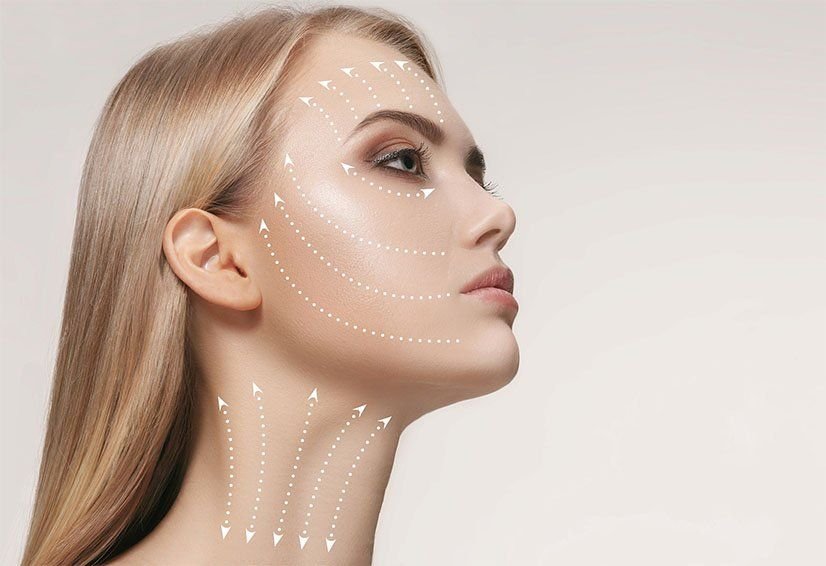
A Thread Lift in Islamabad is a minimally invasive cosmetic procedure designed to lift and support sagging facial tissues using specially designed dissolvable threads. It is commonly considered by individuals who want to improve facial contours, reduce the appearance of mild skin laxity, and achieve a more refreshed appearance without undergoing traditional facelift surgery.
As skin ages, collagen production gradually decreases, contributing to loose skin, fine lines, and changes in facial definition. A thread lift may help address some of these concerns by providing mechanical support while encouraging the body’s natural collagen response.
However, achieving a satisfactory outcome involves more than selecting a cosmetic procedure. The practitioner’s experience, facial assessment, treatment planning, and understanding of facial anatomy all play important roles.
Why Choosing the Right Thread Lift Clinic Matters
Selecting a suitable clinic is one of the most important decisions before undergoing a thread lift in Islamabad. Although the procedure is minimally invasive, it still requires professional knowledge, appropriate techniques, and careful patient evaluation.
A qualified practitioner should understand facial anatomy, skin condition, tissue movement, and the limitations of thread-based lifting.
When evaluating a clinic, consider the following factors:
- Practitioner qualifications: Check the professional training, credentials, and experience of the person performing the procedure.
- Individual facial assessment: Treatment should be planned according to facial structure, skin laxity, and aesthetic goals.
- Safety standards: The clinic should follow appropriate hygiene, sterilization, and infection-control practices.
- Treatment transparency: Patients should receive clear information about the procedure, potential risks, expected outcomes, and limitations.
- Aftercare support: Proper follow-up guidance can help patients understand recovery and recognize possible complications.
A professional approach focuses on patient suitability and realistic expectations rather than promising dramatic or permanent results.
What Makes a Professional Thread Lift Experience?
A positive thread lift experience begins before the actual procedure. Consultation, communication, treatment planning, and post-treatment guidance all contribute to the overall patient journey.
Detailed Consultation and Facial Evaluation
An initial consultation allows the practitioner to understand the patient’s concerns and determine whether a thread lift is an appropriate option.
During this assessment, important considerations may include:
- Skin elasticity and degree of sagging.
- Cheek, jawline, and lower-face structure.
- Existing facial asymmetry.
- Medical history and relevant medications.
- Previous cosmetic treatments.
- Desired aesthetic improvements.
This evaluation helps establish whether the procedure is suitable or whether another treatment may better address the patient’s concerns.
Personalized Treatment Planning
Every face has a different structure, which means thread lift treatments should not follow a universal approach. A personalized plan considers the areas requiring support and the patient’s natural facial proportions.
For example, some individuals may be interested in improving cheek definition, while others may want to address mild sagging around the jawline.
An experienced practitioner should explain:
- Which facial areas may benefit from treatment.
- What type of threads may be appropriate.
- The expected degree of lifting.
- Possible limitations and complications.
- Whether alternative treatments should be considered.
Personalized planning helps patients make informed decisions and develop realistic expectations.
Professional Technique and Patient Safety
Thread lift procedures involve inserting specialized threads beneath the skin using appropriate techniques. Since facial anatomy contains important nerves, blood vessels, and other structures, anatomical knowledge is essential.
A professional treatment environment should prioritize:
- Appropriate patient selection.
- Proper skin preparation and aseptic technique.
- Suitable thread selection.
- Careful placement according to facial anatomy.
- Monitoring during and after the procedure.
Patients should also feel comfortable asking questions about the practitioner’s qualifications, the products being used, and the procedure’s potential risks.
Why Consider SKN Cosmetics for a Thread Lift in Islamabad?
Choosing a cosmetic clinic requires careful consideration of professional expertise, consultation quality, treatment transparency, and patient support. SKN Cosmetics in Islamabad is a clinic patients may consider when exploring aesthetic and non-surgical facial rejuvenation options.
Before proceeding with a thread lift, prospective patients should arrange a consultation to understand their suitability and discuss their individual aesthetic goals.
When evaluating SKN Cosmetics, patients can focus on important aspects of the treatment experience, including:
- Professional consultation: Discuss facial concerns and understand the available treatment options.
- Personalized assessment: Determine whether a thread lift is appropriate for the patient’s skin condition and facial structure.
- Clear treatment information: Ask about thread types, placement techniques, expected outcomes, and possible risks.
- Realistic expectations: Understand that results vary depending on individual anatomy, skin quality, and treatment approach.
- Aftercare guidance: Clarify recovery instructions and available follow-up support.
The best clinic is not necessarily the one making the biggest promises. It is the one that prioritizes patient safety, explains treatment limitations, and recommends procedures based on individual needs.
Recovery and Aftercare Following a Thread Lift
Recovery after a thread lift is generally shorter than recovery following surgical facelift procedures. However, patients may experience temporary swelling, bruising, tenderness, or tightness.
Following the practitioner’s instructions is important for supporting recovery.
Common aftercare recommendations may include:
- Avoiding unnecessary pressure or rubbing on the treated areas.
- Limiting strenuous exercise for the period recommended by the practitioner.
- Avoiding excessive facial movements if advised.
- Following instructions regarding skincare and makeup.
- Attending scheduled follow-up appointments.
- Contacting the clinic if unusual pain, increasing swelling, fever, skin discoloration, or other concerning symptoms develop.
Patients should remember that complications such as infection, thread visibility, asymmetry, and skin irregularities are possible. Prompt professional assessment is important if these occur.
Who May Be Suitable for a Thread Lift?
A thread lift may be considered by adults experiencing mild to moderate facial skin laxity who want a subtle lifting effect without traditional facelift surgery.
However, it is not suitable for everyone.
Suitability depends on several factors:
- Skin elasticity and thickness.
- Degree of facial sagging.
- General health and medical history.
- Treatment expectations.
- Previous cosmetic procedures.
People with significant skin laxity may achieve better results through alternative treatments. A qualified practitioner can explain the available options following an individual assessment.
Final Thoughts
Choosing a professional thread lift experience requires careful research, realistic expectations, and a focus on patient safety. From the first consultation to recovery, every stage contributes to the overall treatment journey. Patients exploring thread lift options in Islamabad should compare practitioner qualifications, clinic standards, personalized planning, and aftercare arrangements before making a decision. Considering SKN Cosmetics in Islamabad can be one step in exploring available aesthetic services, provided patients first confirm practitioner credentials, treatment suitability, and safety arrangements through a direct consultation.
Frequently Asked Questions (FAQs)
Q1. What is a thread lift?
A thread lift is a minimally invasive procedure that uses dissolvable threads to support and lift facial tissues.
Q2. How long does a thread lift last?
Results commonly last around 6–18 months, depending on the threads, technique, and individual factors.
Q3. Is a thread lift painful?
Local anaesthesia is generally used to minimize discomfort during the procedure.
Q4. How long is thread lift recovery?
Initial recovery may take several days to a few weeks, depending on individual healing and treatment extent.
Q5. Is a thread lift suitable for everyone?
No. A professional consultation is necessary to assess skin condition, health history, and treatment suitability.