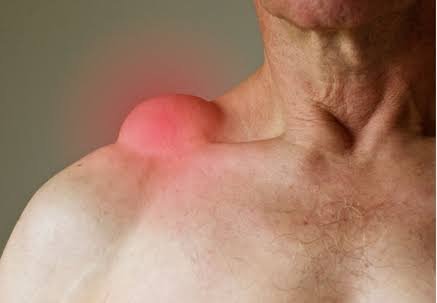
A soft lump beneath the skin can raise questions about its cause, nature, and the best way to manage it. One possible explanation is a lipoma, a growth made up of mature fat cells that develops between the skin and the underlying muscle. Although lipomas are generally benign and often grow slowly, some may become uncomfortable, noticeable, or inconvenient because of their size or location. Understanding the available treatment methods helps individuals make informed decisions about their health. Lipoma treatment in Dubai involves medical assessment and appropriate procedures designed to remove or manage these fatty lumps according to their characteristics and the individual’s needs.
What Is a Lipoma?
A lipoma is a noncancerous growth of fatty tissue that usually develops just beneath the skin. It commonly feels soft, rubbery, and slightly movable when touched. These growths may appear on the neck, shoulders, back, arms, thighs, or torso, although they can develop in other areas of the body.
Lipomas generally grow gradually and may remain the same size for years. Many do not cause discomfort, while others can become noticeable because of their location or size. A lipoma may also press against nearby structures when it develops in a sensitive area.
The exact cause of lipomas is not always clear. Genetic factors may contribute to their development, and some individuals have a family history of similar lumps. Their presence does not automatically indicate a serious health problem, but an unexplained lump should receive professional assessment rather than being identified through appearance alone.
How Does Lipoma Treatment Work?
Lipoma treatment begins with an assessment to determine whether a lump is consistent with a lipoma and whether intervention is appropriate. The examination generally considers its size, location, texture, mobility, growth pattern, and any associated symptoms.
If the lump has typical features, a clinical examination may be sufficient to guide the next steps. Imaging, such as an ultrasound, may be recommended when the diagnosis is uncertain or the growth lies deeper beneath the skin. A biopsy or other investigations may be necessary if the lump has unusual characteristics.
Once the assessment is complete, the appropriate treatment method can be selected. The main approaches include surgical excision and liposuction-assisted removal. Both aim to reduce or eliminate the fatty growth, but they work differently and are suitable for different circumstances.
Surgical Excision for Lipoma Removal
Surgical excision is a commonly used method for removing a lipoma. It involves making an incision in the skin and carefully removing the fatty tissue. The procedure is particularly useful when a lump is well-defined, relatively accessible, or requires complete removal for examination.
How Surgical Excision Works
The process generally begins with cleaning the treatment area and administering local anaesthesia for suitable superficial lipomas. This helps numb the area during the procedure. Larger or deeper growths may require a different anaesthetic approach depending on their location and complexity.
A small incision is made over the lump, allowing the clinician to separate the fatty tissue from surrounding structures. The lipoma is then removed, and the incision is closed with sutures when appropriate. The removed tissue may be sent for laboratory examination to confirm the diagnosis.
The length and complexity of the procedure depend on the lump’s dimensions, depth, and anatomical position. Smaller, superficial lipomas may be removed through relatively small incisions, while larger growths can require more extensive surgical access.
When Is Surgical Excision Appropriate?
Surgical excision may be considered when a lipoma is growing, causing discomfort, restricting movement, or creating a cosmetic concern. It may also be recommended when the diagnosis is uncertain and tissue examination is needed.
One important advantage is that the growth can often be removed in its entirety, including its surrounding capsule when present. This may help reduce the likelihood of recurrence at the same location, although recurrence remains possible.
Liposuction-Assisted Lipoma Removal
Liposuction-assisted removal is another method that may be suitable for selected lipomas. Instead of removing the growth through a larger incision, this technique uses a narrow cannula to extract fatty tissue through a small opening.
How Liposuction-Assisted Removal Works
After the area has been assessed and appropriately prepared, a small incision is created. A cannula is introduced through the opening to loosen and suction out the fatty tissue. The clinician works carefully to remove as much of the growth as appropriate while considering the surrounding structures.
This approach may be considered for certain soft, superficial lipomas, particularly when limiting the size of the incision is a priority. However, suitability depends on the growth’s structure, location, and relationship with nearby tissues.
Potential Benefits of Liposuction-Assisted Removal
The smaller opening may result in a less noticeable scar than a conventional surgical incision in selected cases. The technique may also be useful for some relatively broad fatty lumps.
However, liposuction does not always remove the entire lipoma capsule, and residual fatty tissue may remain. This can make recurrence or persistence more likely in some cases. It may also be less appropriate when a lump is firm, deep, irregular, or requires complete tissue removal for diagnostic purposes.
How Is the Appropriate Treatment Selected?
The choice of treatment depends on the individual characteristics of the lump rather than a single method being suitable for everyone. A professional assessment helps determine which approach offers the most appropriate balance between complete removal, tissue diagnosis, and the appearance of the resulting scar.
Important considerations include:
- The size, depth, and location of the lipoma.
- Whether the lump is soft, movable, firm, or attached to deeper tissues.
- Whether it causes pain, pressure, or movement difficulties.
- Whether the diagnosis is clear or further investigation is needed.
- The possibility of removing the entire growth.
- The individual’s preferences and general health.
A small, accessible lipoma may be suitable for straightforward excision, while selected fatty lumps may be candidates for liposuction-assisted removal. Deeper or unusual masses may require imaging and specialist evaluation before any procedure is planned.
What Happens During the Treatment Process?
The treatment journey generally follows several stages, beginning with evaluation and ending with confirmation that the area is healing appropriately.
Initial Assessment
The clinician examines the lump and reviews its history, including how long it has been present and whether it has changed. Rapid growth, unusual firmness, fixation to deeper tissues, or persistent pain may prompt further investigation.
Procedure Planning
Once the diagnosis and suitability for treatment are established, the procedure is planned according to the lump’s characteristics. The individual receives an explanation of the technique, expected incision, anaesthesia, and likely recovery process.
Removal of the Fatty Tissue
The selected method is performed in an appropriate clinical setting. Surgical excision involves removing the growth through an incision, whereas liposuction-assisted removal uses suction through a small opening.
Healing and Follow-Up
The treated area is monitored for normal healing, and follow-up may be arranged to assess the incision and review laboratory findings when tissue has been submitted for examination. Recovery varies according to the procedure and the size and location of the lipoma.
Benefits of Lipoma Removal
Treatment may offer practical and cosmetic benefits when a lipoma is causing a problem. Removing the growth can reduce a visible bulge, relieve pressure-related discomfort, and make certain movements more comfortable when the lump interferes with nearby structures.
Additional benefits may include:
- Obtaining tissue for laboratory examination when necessary.
- Addressing a lump that continues to grow.
- Reducing irritation caused by pressure or friction.
- Improving the appearance of an affected area.
- Providing greater clarity when the diagnosis requires confirmation.
The results depend on the individual case, and removal is not always necessary for a small, stable lipoma that has been confidently diagnosed and causes no symptoms.
Frequently Asked Questions
Can Every Lipoma Be Removed?
Many lipomas can be removed, but the appropriate approach depends on their size, depth, location, and relationship with surrounding structures. Some require additional assessment before treatment.
Is Surgery Always Necessary for a Lipoma?
No. A confirmed, small, stable lipoma that causes no discomfort may simply be monitored. Removal may be considered when it grows, causes symptoms, creates a cosmetic concern, or needs further diagnostic evaluation.
Can a Lipoma Return After Removal?
Yes, recurrence is possible. Complete removal generally reduces the chance of regrowth at the same site, whereas residual fatty tissue may remain after some techniques. A new lump may also develop elsewhere.
Does Lipoma Removal Leave a Scar?
Any procedure involving an incision can leave a scar. Its appearance depends on the removal technique, the size and location of the lump, and individual healing characteristics.
How Long Does Recovery Take?
Recovery varies according to the size of the growth and the procedure used. Smaller superficial removals may heal relatively quickly, while larger or deeper procedures can require a longer period of healing and restricted activity.
When Should a Lump Be Examined?
A new or unexplained lump should be assessed by a qualified healthcare professional. Prompt evaluation is particularly important if it grows rapidly, becomes hard or fixed, causes persistent pain, or lies deep beneath the skin.
Conclusion
Understanding the nature of a fatty lump is the first step toward choosing an appropriate treatment approach. Lipoma treatment in Dubai can involve surgical excision, which allows direct removal of the growth, or liposuction-assisted removal, which uses suction through a smaller opening for selected cases. Each method has different considerations, and neither is suitable for every lipoma. A careful examination, appropriate diagnostic testing, and an individualised treatment plan help guide safe decision-making. With an accurate diagnosis and a suitable approach, individuals can address troublesome lipomas while understanding the expected results, healing process, and possibility of recurrence.