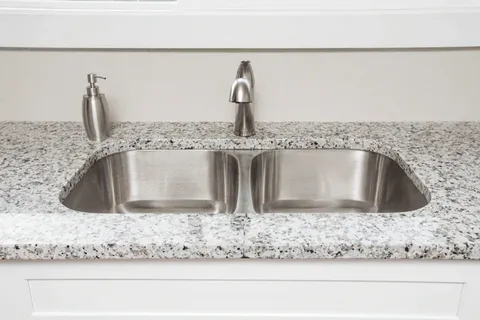
A kitchen sink handles some of the busiest activities in any home. From washing vegetables to cleaning dishes, it needs to support daily work without creating extra problems. However, the wrong sink installation can lead to water leaks, damaged cabinets, and difficult cleaning. Therefore, choosing the right mounting method is an important part of kitchen remodeling. Undermount sinks have become a popular option for homeowners who prefer clean countertop lines and easier surface cleaning. They sit beneath the countertop rather than resting on top of it. As a result, crumbs and water can move directly from the counter into the sink without getting caught around a raised rim.
Why Undermount Sinks Are a Practical Kitchen Upgrade
Planning a professional undermount kitchen sink installation can help homeowners achieve a cleaner countertop appearance while improving everyday kitchen function. However, successful installation depends on accurate measurements, suitable support, and proper sealing. We should consider these details before selecting a sink or ordering a countertop. One advantage of an undermount sink is its smooth connection with the surrounding surface. Since the sink rim stays beneath the countertop, it does not interrupt the visible stone. Moreover, this installation style works especially well with granite, quartz, and other suitable solid countertop materials. These surfaces can accommodate the finished cutout required for an undermount design. However, the sink’s weight and daily use require reliable mechanical support. Adhesive or sealant alone should never serve as the primary long-term support for a heavy kitchen sink.
Choosing the Right Sink for a Granite Countertop
Before installation begins, we should select a sink that matches the kitchen’s layout, cabinet dimensions, and daily needs. A sink that looks attractive in a showroom may not fit properly inside an existing cabinet. Stainless steel remains a common choice because it offers durability and relatively simple maintenance. It also complements many granite colors and kitchen designs. Composite granite sinks provide another option. They offer a solid appearance and come in several finishes. However, maintenance needs and heat limitations vary depending on the material and manufacturer. Fireclay sinks create a traditional appearance, especially in farmhouse-style kitchens. Nevertheless, these sinks can be heavy and may require additional cabinet support.
Single-Bowl or Double-Bowl Sink?
A single-bowl sink provides one large washing area. Therefore, it can make cleaning large pots, baking sheets, and other cookware easier. A double-bowl sink separates tasks into two sections. For example, we can wash vegetables in one bowl while using the other for dishes. However, double-bowl sinks may offer less space for oversized cookware. The best choice depends on cooking habits and available counter space. We should also compare sink depth, drain position, faucet clearance, and available cabinet storage before making a final decision.
Understanding the Requirements for Granite Installation
Granite is a durable natural stone, but it requires careful fabrication around sink openings. The cutout removes part of the countertop material, so the remaining stone must have sufficient strength and support. For this reason, sink placement matters. Placing a large opening too close to an unsupported edge can create unnecessary installation risks. We should also verify that the base cabinet can accommodate the selected sink. Plumbing lines, garbage disposals, and storage accessories may affect the available space beneath the countertop.
Accurate Measurements Prevent Costly Problems
Sink installation starts with reliable measurements. The installer needs the exact sink model and manufacturer specifications before preparing the granite cutout. Even small measurement errors can affect the appearance of the opening or create problems with the sink fit. Therefore, we should avoid ordering a custom-cut countertop before confirming sink dimensions. The countertop fabricator should also review the selected reveal style, which determines how much of the sink rim remains visible around the opening. A positive reveal exposes a small portion of the rim, while a negative reveal allows the countertop to extend slightly over the sink opening. A flush reveal aligns the sink edge and countertop cutout. Each approach requires accurate fabrication.
How the Undermount Sink Installation Process Works
A reliable installation follows a planned sequence. First, the installer reviews the countertop and cabinet conditions. Next, the team checks the sink dimensions and determines how the unit will receive support. When mounting sink under a granite countertop, proper mounting hardware and suitable support systems are essential. The specific method may involve manufacturer-approved clips, brackets, rails, or support frames. After positioning the sink, the installer applies an appropriate sealant at the sink-to-countertop joint. This seal helps prevent water from entering the connection. However, sealant does not replace mechanical support. The sink must remain secure when filled with water, cookware, and dishes.
Why Professional Installation Matters
Granite fabrication requires specialized tools and experience. Cutting an incorrect opening can damage the slab or create a poor fit that cannot be corrected easily. Professional installers also understand how to support the sink while the mounting system and sealant are completed. Additionally, they can check whether surrounding cabinets are level and stable. These steps reduce the risk of gaps, movement, and water-related problems.
Preventing Leaks and Water Damage
One of the biggest concerns with an undermount sink is water reaching the cabinet below. Although the sink sits tightly against the countertop, a poorly sealed joint can allow moisture to enter. Over time, repeated water exposure may damage cabinet materials and encourage mold growth in damp areas. Therefore, proper sealing and routine inspections are important. We should check the connection around the sink whenever we notice unusual movement, moisture, or an opening in the sealant.
Protecting the Cabinet Below
Cabinet protection starts with the installation itself. A reliable mounting system keeps the sink stable and helps maintain the seal around the opening. We should also inspect plumbing connections for leaks. For example, moisture beneath a sink may come from a drain fitting or supply line rather than the countertop joint. After installation, running water and checking the cabinet interior can help identify obvious problems. However, any leak should be corrected promptly rather than hidden with extra surface sealant.
Matching an Undermount Sink With Granite Colors
An undermount sink can complement many granite countertop styles. However, sink color and material should work with the surrounding stone and cabinets. A stainless steel sink often matches modern kitchens with gray, black, or white granite. Its metallic appearance can also coordinate with cabinet handles and faucets. White sinks may create an attractive contrast against dark granite. Meanwhile, a black sink can provide a distinctive appearance against lighter stone. Before purchasing, we should compare actual material samples whenever possible.
Consider the Countertop Edge and Faucet Style
Sink design does not stand alone. The countertop edge, faucet, and backsplash all affect the finished appearance. For example, a simple eased granite edge works well with modern undermount sinks. A traditional kitchen may benefit from a softer rounded profile. Similarly, a tall pull-down faucet can improve access when washing large cookware. However, we should confirm faucet clearance near windows, backsplashes, and surrounding cabinets. These practical details help the sink area function comfortably.
What Affects the Cost of Undermount Sink Installation?
Installation costs depend on several factors, including sink size, material, countertop type, cabinet conditions, and plumbing requirements. A straightforward installation during a new countertop project may require less additional work than replacing an existing sink beneath installed granite. Moreover, repairing cabinets, modifying plumbing, or correcting an unsuitable cutout can increase the expense. Therefore, we should request a detailed estimate before approving the work.
Questions to Ask Before Hiring an Installer
We should confirm whether the quoted price includes the sink cutout, mounting hardware, sealant, and installation labor. It is also important to ask who will disconnect and reconnect the plumbing. Some countertop installers handle only the stone and sink mounting, while plumbing work requires a separate professional. Additionally, we should understand how the installer handles existing countertop damage, cabinet adjustments, and unexpected fitting problems. Clear project details make it easier to compare estimates and avoid surprises.
Finding Reliable Countertop Installation Support
Homeowners planning a sink replacement should evaluate both countertop fabrication and plumbing needs. For households in Dublin and Columbus, Ohio, exploring local options for Keystone countertops can provide a starting point for reviewing countertop materials, installation services, and project requirements. Before placing an order, we should share sink specifications, countertop measurements, and photographs of the existing cabinet layout. A professional assessment can help determine whether the planned sink will fit and what support it requires. The goal is to create a reliable connection between the countertop, sink, and cabinets without compromising appearance or function.
Keeping an Undermount Sink Clean and Secure
Undermount sinks are convenient to clean because they eliminate the raised rim found on many drop-in designs. However, the joint beneath the countertop still requires attention. Food particles and residue can collect around the sink opening if we do not clean it regularly. Therefore, we should wipe the joint with a soft cloth and a suitable cleaner. We should also avoid sharp tools that could damage the sealant. If the sink begins moving or separating from the countertop, we should stop placing heavy loads in it and arrange an inspection. Early repairs can help prevent additional damage.
Final Thoughts
An undermount kitchen sink can improve countertop appearance and make everyday cleaning more convenient. However, the installation must provide reliable support, accurate alignment, and effective water protection. We should select the sink before final countertop fabrication, confirm cabinet compatibility, and understand the installation process. With careful planning and professional workmanship, an undermount sink can become a functional and attractive part of a kitchen renovation.
FAQs About Undermount Kitchen Sink Installation
Can you install an undermount sink with granite countertops?
Yes, undermount sinks work well with granite countertops. However, installation requires accurate sink cutouts, proper mounting brackets, and waterproof sealing. Professional installation helps keep the sink secure and prevents water from reaching the cabinets below.
What is the best sink for a granite countertop?
Stainless steel, composite granite, and fireclay sinks are popular choices for granite countertops. Stainless steel offers durability and easy cleaning, while composite granite provides different color options. The best choice depends on kitchen style, cabinet size, and daily use.
How much does undermount kitchen sink installation cost?
Undermount sink installation costs depend on sink size, material, countertop fabrication, mounting hardware, and plumbing requirements. Replacing a sink beneath an existing granite countertop may cost more if cabinet adjustments or additional support are necessary.
How is an undermount sink secured to granite?
Installers secure undermount sinks using suitable mounting clips, brackets, rails, or support frames. They also apply an appropriate sealant between the sink rim and granite to help prevent leaks. Sealant alone should not support the sink’s weight.
Can you replace an undermount sink without removing the granite countertop?
Yes, some undermount sinks can be replaced without removing the granite countertop. However, the new sink must fit the existing cutout, and installers need enough access to remove the old mounting hardware and secure the replacement safely.
How do you prevent an undermount sink from leaking?
Proper installation, secure mounting hardware, and suitable sealant help prevent leaks around an undermount sink. Homeowners should also inspect the sink joint and plumbing connections regularly. If gaps, moisture, or sink movement appear, arrange repairs promptly.