Healthy-looking hair can contribute to personal confidence and overall appearance. However, gradual thinning, reduced hair density, and changes in the hairline may affect how people feel about their hair over time. These changes can occur for several reasons, including hereditary patterns, ageing, hormonal variations, and changes in the natural hair growth cycle. For individuals looking to explore professional hair restoration options, platelet-rich plasma (PRP) treatment offers an approach that focuses on supporting existing hair follicles. With a personalized assessment and clearly defined goals, PRP hair treatment in Abu Dhabi may be considered by suitable individuals seeking fuller-looking hair and a refreshed appearance.
Understanding Professional Hair Rejuvenation
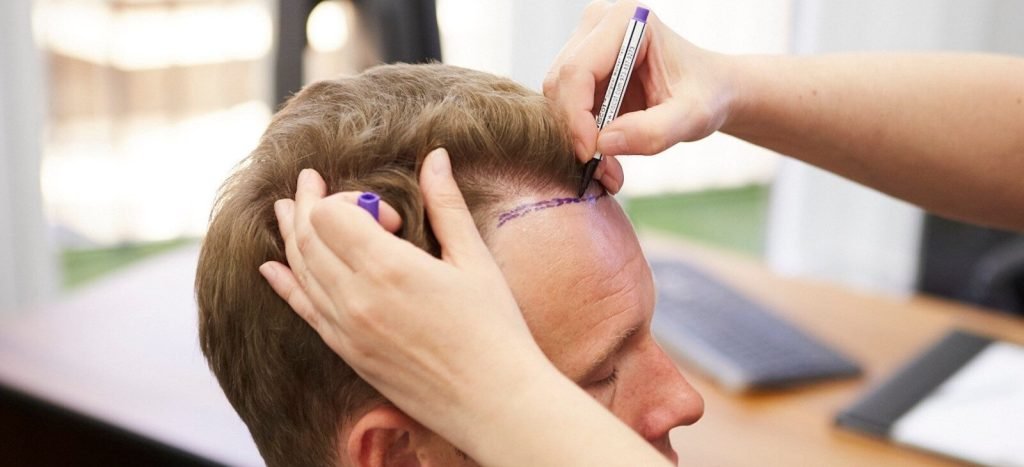
Hair rejuvenation refers to professional approaches intended to support the condition and appearance of existing hair. Rather than focusing only on visible thinning, a comprehensive approach considers the scalp, hair density, growth patterns, and factors that may contribute to hair loss. This helps create a more informed treatment plan based on individual needs.
Hair concerns can appear in different ways. Some people notice less volume across the scalp, while others experience thinning near the temples, crown, or frontal hairline. The pattern and progression of these changes can vary, making a professional evaluation an important starting point.
Hair rejuvenation does not necessarily mean restoring every lost strand. Instead, the objective may be to support existing follicles, improve the appearance of density where possible, and establish realistic expectations for the treatment journey. An individualized approach helps people understand which options may be suitable for their particular concerns.
What Is PRP Hair Treatment?
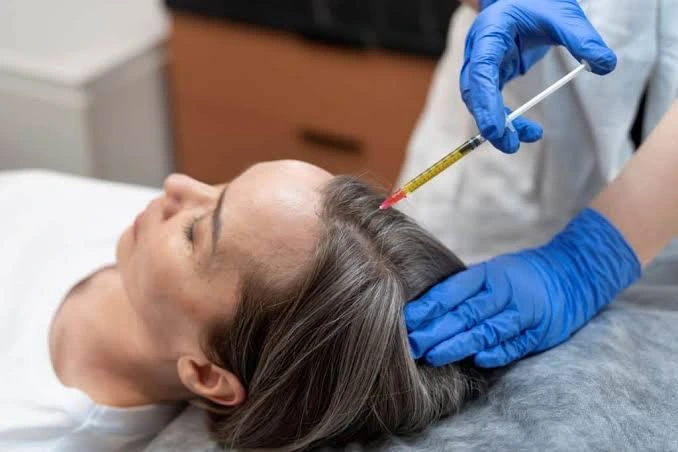
Platelet-rich plasma, commonly called PRP, is prepared using a small sample of the individual’s own blood. The sample is processed using specialized equipment to separate the plasma containing a higher concentration of platelets. This prepared plasma is then administered to selected areas of the scalp according to the treatment plan.
Platelets contain growth factors involved in natural repair and cellular signalling processes. In hair restoration, PRP is used with the aim of supporting the environment around existing hair follicles and potentially improving hair density in suitable candidates. It is a non-surgical approach that may be considered for certain types of hair thinning.
The treatment does not create new hair follicles or guarantee regrowth in areas where follicles are no longer active. Its potential benefits depend on several factors, including the cause of hair loss, the condition of existing follicles, and individual response. A professional consultation can help determine whether PRP aligns with the person’s hair rejuvenation goals.
How PRP May Support Hair Rejuvenation
The purpose of PRP treatment is to use platelet-rich plasma to support the scalp environment around existing follicles. Researchers have investigated PRP for different types of hair loss, and some studies suggest that it may improve hair density in selected individuals. However, treatment methods and results vary, so outcomes cannot be guaranteed.
For people experiencing gradual thinning, the goal may be to improve the appearance of coverage or support the quality of existing hair. The degree of improvement differs from person to person. Some may notice changes in density, while others may experience a more limited response.
PRP is not a universal solution for every hair concern. A suitable plan begins with understanding the reason for thinning and considering whether the remaining follicles may respond to treatment. This helps ensure that expectations are based on individual circumstances rather than general promises.
Who May Consider PRP Hair Rejuvenation?
PRP may be considered by individuals with certain patterns of hair thinning who still have existing follicles in the affected areas. People noticing gradual changes in hair volume, reduced density around the crown, or thinning near the hairline may wish to explore whether this option is appropriate.
Suitability depends on the type and extent of hair loss. Some conditions may require additional evaluation or a different treatment approach. A professional assessment can help identify the pattern of thinning, review relevant hair history, and establish whether PRP is a reasonable option.
During the consultation, the provider can also discuss personal priorities. One person may want to address thinning around the crown, while another may be more concerned about overall scalp coverage. Understanding these goals helps guide a plan that reflects the individual’s needs.
The Importance of a Personalized Treatment Plan
Every person’s hair growth pattern and scalp condition are different. For this reason, professional hair rejuvenation should be planned around an individual assessment rather than a standard approach. The treatment plan may consider the areas affected by thinning, existing hair density, the suspected cause of hair loss, and the desired outcome.
The recommended number and spacing of PRP sessions depend on the treatment protocol and individual circumstances. A series of sessions may be suggested, followed by assessments to review visible changes. The plan can then be evaluated according to progress and the person’s goals.
Clear communication is important throughout this process. Individuals should understand what the treatment aims to achieve, how long assessment may take, and what level of improvement is realistic. This supports informed decisions and helps avoid expecting immediate or guaranteed results.
What to Expect During PRP Treatment
The process usually begins with a consultation and examination of the scalp. If PRP is considered suitable, a small blood sample is collected and processed to prepare the platelet-rich plasma. The prepared material is then administered to selected scalp areas according to the agreed treatment plan.
The specific process and session duration can vary depending on the provider’s protocol and the areas being treated. Before starting, individuals can discuss the treatment stages, the recommended schedule, and how progress will be monitored.
Hair growth is gradual, so the outcome is generally assessed over time rather than immediately after a session. Follow-up appointments may help compare changes in hair density and determine whether the treatment plan remains appropriate.
PRP Hair Treatment in Abu Dhabi for Individual Hair Goals
People exploring PRP Hair Treatment in Abu Dhabi may be looking for a professional option that fits their hair concerns and personal goals. An assessment-led approach can help determine whether PRP is suitable, identify the areas of focus, and explain the potential benefits and limitations.
When considering professional hair rejuvenation, it is useful to look for clear communication, appropriate clinical assessment, and a treatment plan that reflects individual needs. Understanding the cause of thinning is especially important because different hair conditions may require different approaches.
PRP may be used as part of a broader professional hair care plan when appropriate. The priority is to select an option based on the individual’s scalp condition, the presence of existing follicles, and realistic expectations rather than assuming that onFrequently Asked Questions
What is the main purpose of PRP hair treatment?
PRP treatment aims to support existing hair follicles and potentially improve the appearance of hair density in suitable individuals. The outcome depends on the cause of thinning and the condition of the follicles.
Is PRP suitable for people experiencing early hair thinning?
It may be an option for some individuals experiencing early thinning, but suitability depends on the underlying cause and scalp assessment. A professional consultation can help determine whether PRP is appropriate.
How long does it take to see changes after PRP treatment?
Visible changes may take several months because hair grows gradually. The timeline varies between individuals, and follow-up assessments can help monitor progress.
Does PRP treatment require multiple sessions?
A series of sessions may be recommended depending on the individual’s needs and the treatment protocol. The appropriate schedule should be discussed during the consultation.
Can PRP restore hair in completely bald areas?
PRP does not create new hair follicles, so it may have limited value in areas where follicles are no longer present. A professional assessment can help identify suitable options for extensive hair loss.
Can PRP be combined with other hair restoration treatments?
In some cases, PRP may be considered alongside other professionally recommended approaches. The suitability of combining treatments depends on the cause of hair loss and the individual’s overall treatment plan.
How can I determine whether PRP is right for my hair goals?
A professional evaluation of your scalp, hair growth pattern, and history of thinning can help establish whether PRP is suitable. The consultation should also explain realistic expectations and any alternative options that may better match your goals.