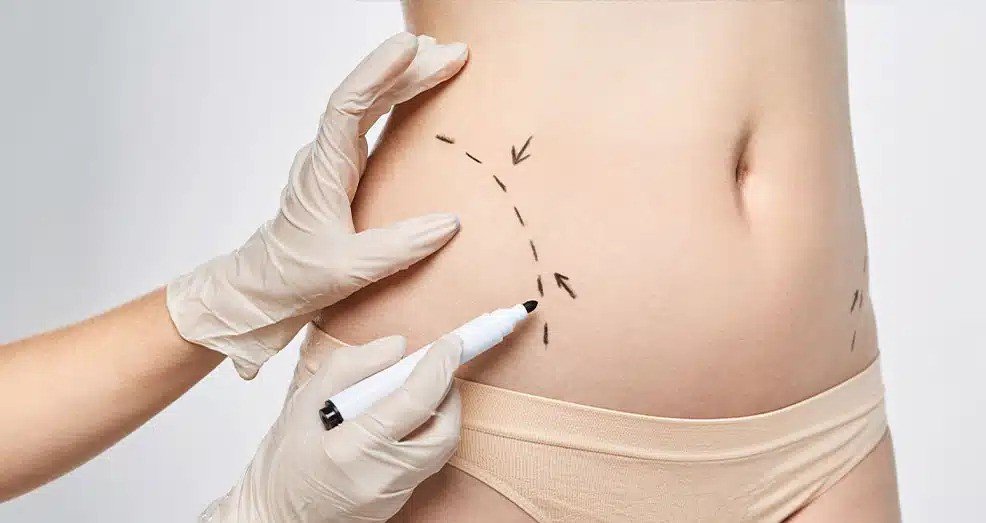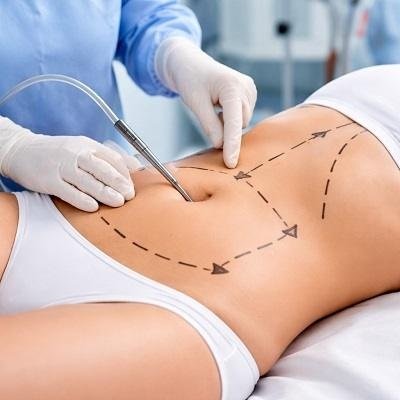
Pregnancy is a major physical and emotional experience, and the body can change significantly during and after childbirth. Even after returning to a healthy weight and adopting regular exercise and balanced eating habits, some areas of the body may retain stubborn fat that does not respond easily to lifestyle changes. For some women, Liposuction Surgery may be an option for addressing these localized fat deposits and improving body contours.
However, liposuction after pregnancy is not simply a matter of losing weight. It is a body-contouring procedure designed to remove specific pockets of fat from selected areas. Understanding when it may be appropriate, what recovery involves, and what results can realistically be expected can help someone make a more informed decision.
What Is Liposuction Surgery After Pregnancy?
Liposuction Surgery is a cosmetic procedure that removes unwanted, localized fat from areas such as the abdomen, hips, thighs, flanks, back, or arms. During the procedure, a surgeon uses a thin tube called a cannula to loosen and remove fat cells from targeted areas.
After pregnancy, liposuction may be considered when certain fat deposits remain despite healthy eating, physical activity, and a stable body weight. It is generally intended for body contouring rather than overall weight reduction.
Pregnancy can stretch the abdominal skin and tissues, alter fat distribution, and change the shape of the waist and abdomen. Because of these changes, liposuction may be suitable for some women but may not address every concern following childbirth.
For example, if the main issue is excess abdominal fat with relatively firm skin, liposuction may help improve the contour. If there is significant loose skin or separated abdominal muscles, another type of treatment may need to be considered.
When Is the Right Time for Liposuction After Pregnancy?
Timing is one of the most important considerations. The body needs adequate time to recover from pregnancy and childbirth before an elective cosmetic procedure is considered.
Many people may need to wait several months after delivery before evaluating whether their body shape has stabilized. The appropriate timing can vary depending on the type of delivery, overall health, breastfeeding status, weight changes, and individual recovery.
A stable weight is particularly important. If someone is still losing pregnancy weight, it may be better to wait before considering Liposuction Surgery. Significant weight fluctuations after the procedure can affect the long-term appearance of the treated areas.
Women who plan to have additional pregnancies may also choose to postpone body-contouring surgery. Another pregnancy can stretch the skin and tissues again and potentially change the results.
A qualified medical professional can evaluate recovery and determine whether the body is sufficiently healed for an elective procedure.
Can Liposuction Remove Post-Pregnancy Belly Fat?
Post-pregnancy abdominal fat can sometimes be treated with liposuction, particularly when the fat is localized and the skin has reasonable elasticity.
However, a post-pregnancy belly can involve more than excess fat. Pregnancy may also result in:
- Loose or stretched skin
- Weakened abdominal muscles
- Abdominal muscle separation
- Changes in the position and shape of the abdomen
- Stretch marks
- Changes in body proportions
Liposuction primarily targets fat. It does not repair separated abdominal muscles and does not remove significant amounts of excess skin.
This distinction is important because someone may assume that removing abdominal fat will automatically create a flat stomach. In reality, the final contour depends on factors such as skin elasticity, muscle condition, the amount of fat present, and the individual’s overall anatomy.
For people with substantial loose skin or abdominal muscle separation, a different or combined approach may sometimes be discussed. The appropriate treatment depends on the individual’s physical condition and goals.
Who May Be a Good Candidate for Liposuction Surgery After Pregnancy?
Not every woman who has given birth will be an appropriate candidate for liposuction. Candidacy depends on overall health, body composition, expectations, and the condition of the skin and tissues.
A person may be considered a potential candidate if she:
- Has reached a relatively stable and healthy weight
- Has localized fat deposits that have not responded adequately to diet and exercise
- Is generally healthy enough for an elective surgical procedure
- Has realistic expectations about the results
- Has sufficient skin elasticity for the desired contouring
- Has completed or is close to completing postpartum recovery
It is also important for the person to understand that Liposuction Surgery is not a substitute for healthy lifestyle habits.
People with certain medical conditions, uncontrolled health problems, or unrealistic expectations may not be suitable candidates. A proper medical assessment is therefore an essential part of the decision-making process.
What Areas Can Be Treated After Pregnancy?
Pregnancy-related body changes are not limited to the abdomen. Some women notice stubborn fat in several areas after childbirth.
Depending on individual anatomy and treatment goals, liposuction may be used to contour areas such as:
Abdomen
The abdomen is one of the most common areas considered for post-pregnancy body contouring. Removing localized fat may help create a smoother transition between the waist and abdomen.
Hips and Flanks
Fat around the hips and sides of the waist can sometimes affect overall body proportions. Targeted contouring may help create a more defined waistline.
Thighs
Some individuals retain localized fat on the inner or outer thighs after pregnancy. Liposuction can sometimes improve the shape of these areas when the fat is resistant to lifestyle changes.
Arms
Changes in weight can affect fat distribution around the upper arms. In selected cases, liposuction may be considered for localized arm fat.
Back
Fat deposits around the back or bra-line region may also be treated when appropriate.
The number of areas treated during one procedure depends on individual circumstances, safety considerations, and the treatment plan developed with a qualified surgeon.
What Should Someone Expect During Recovery?
Recovery after Liposuction Surgery varies from person to person. The extent of treatment, number of areas treated, overall health, and individual healing response can all affect recovery.
Swelling, bruising, tenderness, and temporary numbness can occur after the procedure. These effects generally improve gradually as the body heals.
A compression garment may be recommended to help support the treated areas and control swelling. Activity restrictions can also be part of the recovery plan.
Light movement is often encouraged when medically appropriate because prolonged inactivity can create additional health risks. However, strenuous exercise and heavy lifting usually need to be avoided until the surgical team considers them safe.
Someone recovering from liposuction should follow all postoperative instructions carefully. Warning signs such as severe or worsening pain, significant swelling, fever, unusual drainage, breathing difficulty, or other concerning symptoms should receive prompt medical attention.
It is also important to remember that the final result does not appear immediately. Swelling can temporarily obscure the contour, and the body may continue changing for weeks or months as healing progresses.
What Results Can Be Expected From Liposuction After Pregnancy?
The goal of Liposuction Surgery is usually improved body contour rather than a specific number on the scale.
When the procedure is appropriately selected and performed, it can reduce localized fat and create a smoother, more proportionate appearance. Results can be long-lasting because the fat cells removed during liposuction do not grow back in the same way.
However, remaining fat cells can enlarge if a person gains significant weight. Maintaining a stable weight through nutritious eating habits and regular physical activity can therefore help preserve the outcome.
The quality of the skin also influences the final appearance. Younger or more elastic skin may contract more effectively after fat removal, while skin with significant laxity may remain loose.
Realistic expectations are essential. Liposuction can improve contours, but it cannot completely stop the natural aging process or prevent future changes caused by pregnancy, weight fluctuations, or hormonal changes.
Is Liposuction Better Than Exercise for Post-Pregnancy Fat?
Liposuction and exercise serve different purposes and should not be viewed as competing treatments.
Exercise supports cardiovascular health, muscle strength, metabolic health, and overall wellbeing. A balanced diet and physical activity are also important components of postpartum recovery.
Liposuction, on the other hand, is intended to address localized fat deposits that remain despite appropriate lifestyle habits.
Someone who is significantly overweight may benefit from focusing on gradual, sustainable weight management before considering cosmetic surgery. Liposuction is generally more appropriate for contouring specific areas rather than treating generalized excess weight.
A healthy lifestyle remains important after surgery because maintaining a stable weight can help protect the result.
Potential Benefits and Risks of Liposuction Surgery
One potential benefit of liposuction is the ability to target specific areas of fat that are difficult to change through lifestyle measures alone. It may improve body proportions and help clothing fit differently.
However, liposuction is still surgery and carries potential risks. Depending on the circumstances, complications may include infection, bleeding, fluid accumulation, changes in sensation, contour irregularities, scarring, blood clots, or reactions related to anesthesia.
The risk level depends on several factors, including the amount of fat removed, the areas treated, the individual’s health, and the surgical technique.
Choosing a properly qualified surgeon and following preoperative and postoperative instructions can help reduce avoidable risks. A thorough consultation should include discussion of medical history, medications, previous surgeries, expectations, possible complications, and recovery requirements.
Is Liposuction Surgery the Right Choice After Pregnancy?
For some women, Liposuction Surgery can be a useful option for improving localized fat deposits after pregnancy. For others, it may not address the primary concern.
The key question is not simply whether unwanted fat is present. It is whether the remaining concern is primarily related to fat, loose skin, muscle changes, or a combination of factors.
Someone with localized abdominal fat and relatively good skin elasticity may potentially benefit from liposuction. Someone with considerable loose skin or abdominal muscle separation may need a different approach.
A personalized assessment is therefore much more useful than relying on general before-and-after photographs or online claims.
The decision should also take emotional readiness into account. Cosmetic surgery should ideally be considered for personal reasons rather than pressure from others or unrealistic social expectations.
Ultimately, the safest approach is to wait until postpartum recovery is sufficiently advanced, establish stable weight and health, understand the limitations of the procedure, and discuss individual goals with a qualified medical professional.
Frequently Asked Questions
1. How long after pregnancy can someone consider Liposuction Surgery?
There is no single timeline that applies to everyone. The body needs time to recover after childbirth, and weight should ideally be relatively stable before elective body-contouring surgery is considered. A qualified medical professional can assess individual recovery and determine appropriate timing.
2. Can liposuction remove all post-pregnancy belly fat?
Liposuction can remove localized fat, but it does not address every cause of a post-pregnancy abdomen. Loose skin, stretched tissues, or separated abdominal muscles may require different treatment considerations.
3. Can Liposuction Surgery be performed while breastfeeding?
Elective surgery during breastfeeding requires careful individual consideration. Medication, anesthesia, recovery, hydration, and the demands of caring for a newborn all need to be discussed with the relevant medical professionals. Timing may be postponed depending on the circumstances.
4. Will liposuction prevent future pregnancy-related changes?
No. Liposuction does not prevent the body from changing during a future pregnancy. Another pregnancy can alter abdominal skin, tissues, fat distribution, and overall body contours.
5. Does liposuction help with loose skin after pregnancy?
Liposuction primarily removes fat and is not designed to remove substantial excess skin. Skin elasticity can influence how well the treated area contracts after fat removal. Significant skin laxity may require a different treatment approach.
6. How long do the results of Liposuction Surgery last?
The fat cells removed during liposuction are permanently removed from the treated area. However, remaining fat cells can enlarge with substantial weight gain, and natural aging or another pregnancy can change body contours. Maintaining a stable weight can help preserve the result.
Final Thoughts
Pregnancy can create lasting changes in body shape, and it is completely reasonable for someone to explore options for restoring or improving body contours after childbirth. Liposuction Surgery can be an effective method for treating selected areas of stubborn fat, but it is not a weight-loss procedure and cannot correct every postpartum body change.
The best candidates are generally those who have recovered adequately from pregnancy, have a relatively stable weight, are in suitable overall health, and understand what the procedure can and cannot accomplish.
Most importantly, the decision should be based on individual anatomy, health, goals, and realistic expectations. A professional evaluation can help determine whether liposuction is appropriate or whether another treatment would better address the concern.
Read More About Liposuction Surgery: https://autopedia.co.uk/events/oman/muscat/muscat-1/what-to-eat-before-and-after-liposuction-surgery/