Introduction
Ever solved a word puzzle and thought, “I could build this”? Plenty of people start exactly there. If you want to become a puzzle games developer, you don’t need a computer science degree or a big budget. You need curiosity, a favorite game, and the patience to pull it apart piece by piece.
Daily word games like the NYT Spelling Bee are great teachers because the rules are tiny, the logic is clear, and millions of people already prove the idea works. Here’s a practical path, starting from zero.
Play the Game Like a Designer, Not Just a Player
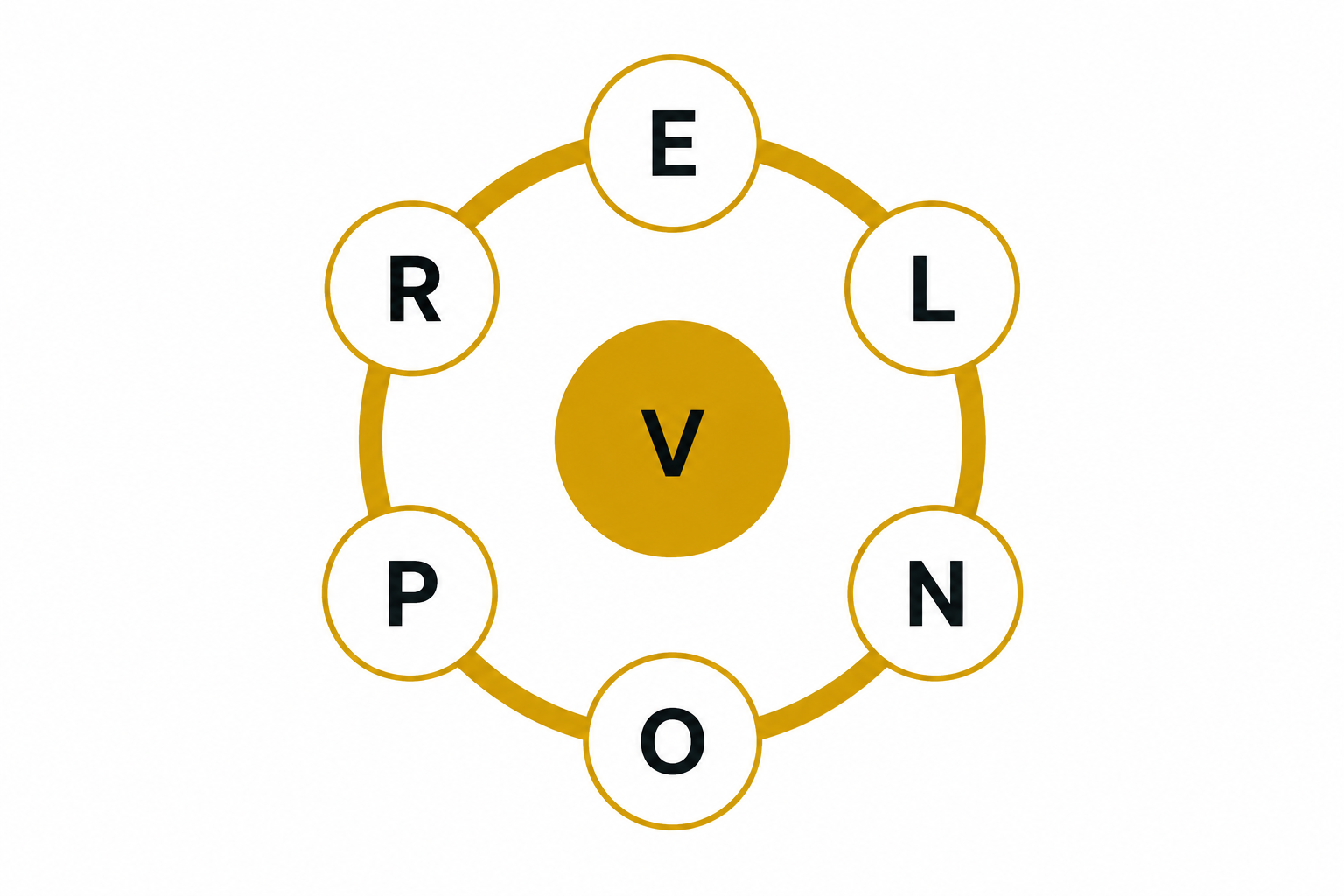
Before you write a single line of code, play. Really play, every day, for a couple of weeks. The Spelling Bee gives you seven letters in a honeycomb, and one center letter has to appear in every word.
Words need at least four letters, and you can reuse letters as often as you like inside a word. The whole puzzle resets at 3:00 AM Eastern Time with a fresh set. Notice how simple that is? That’s the point. Good puzzle design hides depth behind rules you can explain in ten seconds.
Keep notes while you play. Which words feel fair? Which ones make you groan and ask, “that counts?” Every frustration is a design lesson. Players who get stuck often look for hints or the full answer list, and that tells you something important: people want a way out when a puzzle beats them, and a smart game respects that.
Turn the Rules Into Logic You Can Code
Rules become code more easily than you’d think. A word is valid if it’s at least four letters long, contains the center letter, and uses only the seven letters on the board. That’s three checks, nothing scary. Scoring adds a layer: a four-letter word earns one point, and anything longer earns points equal to its length.
A pangram, which uses all seven letters at least once, adds seven bonus points on top. Write these down as plain sentences first. If you can say it in English, you can write it in code. Ranks come next. Your score climbs from Beginner up to Genius, and Queen Bee means you’ve found every valid word.
Some players also chase a Bingo, which means at least one word starting with each of the seven letters. It isn’t an official rank, just a personal challenge, but it shows how fans invent their own goals around a good ruleset. Pay attention to that. The features players make up for themselves are often the ones worth building later.
Choose Simple Tools and Learn Just Enough
Don’t get stuck hunting for the perfect engine. A word game is mostly text, lists, and buttons, so JavaScript is a friendly place to begin because it runs right in the browser. Python works nicely for testing ideas and generating word lists fast.
If you eventually want polished animation or mobile releases, Godot and Unity are both solid options. Start small, though. Your first version can be ugly, and honestly, it should be. The heart of any word game is its dictionary. You’ll need a clean word list, and you’ll need to search it quickly.
A trie helps with prefix lookups, but even a plain set works fine for a beginner project. Curating that list is where the real craft lives. Players notice right away when an odd word slips in or a common one goes missing, and they’ll want to understand why certain answers made the official list.
Build a Small Version, Then Add What Players Ask For
Your first build should do one thing: take seven letters and a center letter, then show every valid word. That’s it. Look at how a real answer page lays things out. One recent puzzle listed 41 answers, one pangram, a maximum score of 224, and 157 points to reach Genius. Words were grouped by length, from four letters up to eight-plus. That grouping isn’t decoration. It lets players see what they’ve missed without spoiling everything at once.
Once the basic solver works, layer on extras. Some players want the full list, some want only the pangram, and others just want a nudge. Giving each need its own space keeps everyone happy. The Today Spelling Bee Answers site does exactly this, with a solver, a dedicated pangram page, and a yesterday archive so nobody’s stranded after a missed puzzle.
Plan for Daily Updates and Player Trust
Daily puzzles bring a rhythm that one-off games don’t have. Every morning at 3:00 AM Eastern, a new set of seven letters goes live, and the previous puzzle moves into the archive. If you’re building around that schedule, automation matters. You can’t be typing answers by hand at 3 AM forever. Learn scheduling early, whether that’s a cron job or a simple script, and test it more than you think you need to.
Trust matters too. The best answer pages stay free with no sign-up, because someone checking a puzzle over breakfast doesn’t want a wall in front of them. The official game needs a New York Times Games subscription, so a free helper fills a real gap. Just be honest about where you stand. Independent tools should say clearly that they aren’t affiliated with the Times, and you should respect the original creators’ brand instead of borrowing it.
Grow, Share, and Keep Iterating
Put your work where people can see it. Upload code to GitHub, host small games on itch.io, and ask friends to break them. Their bugs will teach you more than any tutorial. Then keep going. Try a different letter layout, a new scoring twist, or a hint system that reveals one letter at a time.
Every project makes the next one faster, and before long you’ll have a portfolio that shows real problem-solving, which matters more to studios and clients than a certificate ever will.
FAQs
Q: What is a pangram in the Spelling Bee?
It’s a word that uses all seven letters of the puzzle at least once. You get the regular word points plus seven bonus points. Most daily puzzles have one, though occasionally there are two.
Q: How is the NYT Spelling Bee scored?
Four-letter words are worth one point each. Longer words earn points equal to their length, and pangrams add seven bonus points. Your rank rises as your total climbs.
Q: What is Queen Bee?
It’s the highest status you can reach, and it means you’ve found every valid word in that day’s puzzle. Most players aim for Genius first.
Q: When does the puzzle reset?
Every day at 3:00 AM Eastern Time, when a new set of seven letters goes live.
Q: Is the NYT Spelling Bee free to play?
The official site requires a New York Times Games subscription. Answers, hints, and pangrams on independent helper pages are free.
Conclusion
Becoming a puzzle games developer is really a series of small, doable steps. Play a game until you understand why it works, translate its rules into plain logic, then build the tiniest version you can.
Add hints, archives, and daily updates only after the core feels solid. Nobody starts out knowing everything, and the Spelling Bee proves that a few simple rules can hold millions of people’s attention. So open a blank file, type your first function, and see how far one honeycomb takes you.