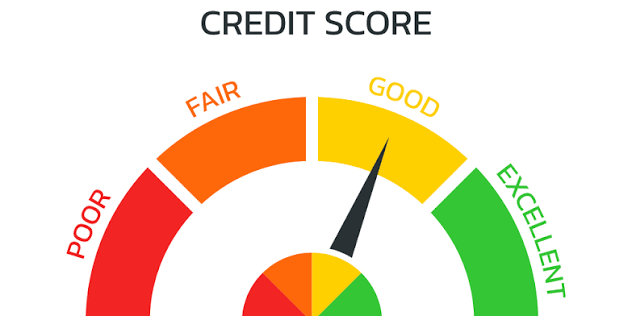
In today’s fast-paced financial landscape, understanding and managing credit is more important than ever. One key component of financial health is your credit score, a metric that provides insight into your creditworthiness. Regularly checking your credit score not only helps you stay informed about your financial standing but also plays a crucial role in long-term financial planning. In this article, we will explore why making a habit of checking your credit score is essential and how it intertwines with concepts such as credit facilities.
Understanding Credit Scores
Before delving into the reasons for regular credit score checks, it’s essential to understand what a credit score is. A credit score is a numerical representation of your creditworthiness, calculated based on your credit history and various financial behaviors. It typically ranges from 300 to 850, with higher scores indicating better creditworthiness. Factors such as payment history, amounts owed, length of credit history, new credit accounts, and types of credit used all influence your score.
What is a credit facility? A credit facility refers to a loan or other financial arrangement that provides a borrower with access to funds. Credit facilities can include personal loans, credit cards, lines of credit, and mortgages. Lenders use credit scores to evaluate the risk before granting credit facilities.
Increasing Awareness of Financial Health
One of the primary benefits of regularly checking your credit score is increased awareness of your financial health. When you are informed about your credit standing, you can make proactive decisions regarding your financial future. For instance, if you notice a decline in your credit score, it could be a signal that you need to address certain financial behaviors, such as reducing debt or making payments on time.
Awareness isn’t limited to just understanding your current score; it also involves recognizing the various factors that influence it. By monitoring your credit score, you can gain valuable insights into your financial habits and identify areas for improvement. This increased awareness fosters better financial decisions, ultimately contributing to a more secure financial future.
Identifying Errors and Discrepancies
Regular credit score check provide an opportunity to identify potential errors or discrepancies in your credit report. Credit reporting agencies compile information from multiple sources, and it’s not uncommon for mistakes to occur. These errors can negatively impact your credit score and hinder your ability to access credit facilities.
By routinely checking your credit score, you can spot inaccuracies and take corrective actions. If you find any errors, promptly dispute them with the credit bureau to ensure your credit report accurately reflects your financial history. Rectifying these errors not only improves your score but also enhances your chances of obtaining favorable credit terms when applying for loans or credit cards.
Planning for Major Purchases
As you look ahead to significant financial milestones—such as purchasing a home or a car—understanding your credit score becomes increasingly vital. Lenders use your credit score to assess your likelihood of repayment and determine the interest rates you are offered. A higher credit score translates to lower interest rates, which can save you thousands over the life of a loan.
By making a habit of checking your credit score, you can prepare for major purchases in advance. If you know that your score is lower than desired, you have the opportunity to take steps to improve it before applying for credit. This proactive approach may involve increasing your credit utilization rate, making on-time payments, and reducing outstanding debt—actions that can positively influence your score.
Understanding Financial Products
Financial products, such as credit facilities, often come with complex terms and conditions. Your credit score plays a critical role in determining which products you can access and what terms you will receive. By regularly monitoring your score, you can gain a clearer understanding of what financial products may be available to you based on your creditworthiness.
For example, individuals with higher credit scores may qualify for lower interest rates on mortgages, personal loans, and credit cards. Conversely, those with lower scores may face higher rates or limited options. Understanding how your score affects your eligibility for various financial products allows you to make more informed decisions about your financial choices and helps you avoid situations where you may be offered unfavorable terms.
Preparing for Credit Applications
When you apply for a credit facility, lenders perform a credit inquiry to assess your creditworthiness. This inquiry can temporarily lower your credit score; therefore, it’s wise to check your score before applying. If you identify any potential issues that could hinder your application, you can work to resolve them beforehand.
For instance, if your credit utilization ratio is high or you have recently missed payments, these factors may adversely affect your application. By checking your credit score in advance, you can address these challenges and improve your chances of approval while securing better rates. Additionally, knowing your score allows you to apply selectively, minimizing the number of hard inquiries on your report.
Developing Positive Financial Habits
Establishing a routine of regularly checking your credit score can also encourage positive financial habits. When you are in the habit of monitoring your score, you are more likely to stay on top of your financial responsibilities. This can include making timely payments, managing your credit utilization, and monitoring your spending patterns.
Moreover, being proactive in managing your credit score often leads to an overall improvement in your financial discipline. It fosters a mindset focused on long-term financial health, encouraging you to budget effectively, save for the future, and make informed decisions about credit usage.
Building Financial Resilience
Financial resilience is the ability to withstand economic challenges without jeopardizing your financial stability. Regular credit score checks contribute to this resilience by enabling you to anticipate potential issues before they escalate. For instance, if you notice a dip in your score due to unexpected medical expenses or job loss, you can take proactive measures to address the situation.
This foresight empowers you to make informed decisions about your spending, savings, and lifestyle, allowing you to navigate financial challenges with confidence. Additionally, it helps you to build an emergency fund, reducing reliance on credit facilities in times of uncertainty—a critical component of long-term financial planning.
Conclusion
A regular credit score check habit is a crucial element of long-term financial planning. By increasing awareness of your financial health, identifying errors, preparing for major purchases, and understanding your eligibility for various financial products, you can take proactive steps towards improving your creditworthiness. This, in turn, enhances your chances of accessing credit facilities on favorable terms.
Incorporating regular credit score checks into your financial routine not only empowers you to make informed decisions but also fosters the development of positive financial habits, leading to increased resiliency. As you prioritize your financial well-being, remember that your credit score is a vital tool that can help you achieve your long-term financial goals. By making the commitment to check your credit score regularly, you set yourself on the path to financial success, allowing you to navigate your financial journey with confidence and clarity.
Available next action: Create a downloadable DOCX file here in this chat containing the editable prose above