For many people, regular exercise and a balanced diet are the foundation of a healthy lifestyle. Yet even with consistent workouts and sensible eating habits, certain areas of stubborn fat can remain difficult to reduce. This is where aesthetic treatments such as Fat Melting Injections in Muscat may become an option for people looking to complement their existing fitness routine.
Fat-reducing injections are designed to target localized areas of unwanted fat rather than replace healthy lifestyle habits. They are generally considered a body-contouring approach, meaning the goal is to improve the appearance and shape of specific areas rather than achieve overall weight loss.
Understanding how these injections work, what they can realistically accomplish, and how they may fit alongside exercise can help individuals make informed decisions about whether the treatment is appropriate for their goals.
What Are Fat Melting Injections?
Fat melting injections are injectable aesthetic treatments intended to reduce localized fat deposits. Depending on the specific formulation used, these injections may work by affecting fat cells so the body can gradually process and eliminate them.
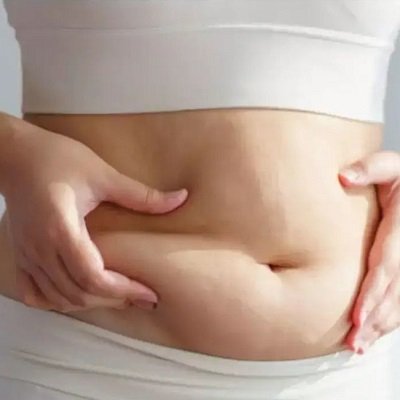
They are typically considered for areas where small pockets of fat remain despite healthy habits. Common treatment areas may include the abdomen, thighs, upper arms, flanks, hips, or under the chin, although suitability depends on the individual and the treatment being considered.
An important distinction is that fat-reducing injections are not the same as a general weight-loss treatment. Someone who is significantly overweight may need a broader health and weight-management strategy involving nutrition, physical activity, and appropriate medical guidance.
For individuals who are already relatively healthy but have localized areas that are resistant to lifestyle changes, injectable body contouring may offer another option to discuss with a qualified healthcare professional.
How Can Fat Melting Injections Complement Exercise?
Exercise has many benefits beyond changing body shape. Strength training can build muscle, cardiovascular activity can support heart health and endurance, and regular movement can contribute to maintaining a healthy body composition.
However, exercise does not always reduce fat evenly throughout the body. Genetics, hormones, age, body composition, and fat distribution can influence where fat is stored and which areas respond most noticeably to lifestyle changes.
This is one reason some people explore Fat Melting Injections in Muscat after establishing consistent fitness habits.
Rather than replacing exercise, treatment may be considered as a complementary approach for localized concerns. For example, an individual might maintain a regular workout program but still notice a small area of abdominal or submental fat that does not respond as expected.
The combination can therefore have different roles:
- Exercise supports overall fitness, strength, cardiovascular health, and energy expenditure.
- Nutrition provides the foundation for healthy body composition and weight management.
- Fat-reduction treatments may focus on specific areas of localized fat.
- Long-term lifestyle habits help maintain overall results and general wellness.
This distinction is important because injectable fat reduction is generally about contouring rather than replacing the fundamentals of healthy living.
Who Might Consider Fat Melting Injections?
Not everyone who wants to lose weight is necessarily a suitable candidate for injectable fat reduction. These treatments are usually more relevant to adults who have relatively stable body weight and are concerned about localized fat deposits.
A consultation can help determine whether the concern is actually excess fat or another issue, such as loose skin, swelling, muscle imbalance, or normal anatomical variation. The appropriate approach can vary considerably depending on the underlying concern.
A person considering treatment should also discuss their medical history, medications, allergies, previous procedures, and expectations with a qualified healthcare professional.
Realistic expectations are particularly important. Injectable fat reduction is not generally intended to create dramatic changes in body weight. Instead, the objective may be a gradual improvement in the contour or appearance of a selected area.
Individuals should also understand that results can vary. The number of treatment sessions, the response of the treated area, and the final appearance can differ from person to person.
What Should Someone Expect During and After Treatment?
The exact experience depends on the type of injectable treatment being used and the area being treated. During a consultation, the treatment provider can explain the preparation, injection process, expected sensations, and aftercare requirements.
Some people may experience temporary effects around the injection sites. These can include redness, swelling, tenderness, bruising, itching, or discomfort. The duration and intensity of these effects can vary.
Because different injectable products have different mechanisms and safety profiles, it is important not to assume that every “fat melting injection” works in exactly the same way.
After treatment, the provider may recommend specific care instructions. These instructions should be followed carefully, particularly regarding exercise, skin care, medications, or activities that could affect the treated area.
People should also avoid judging the outcome immediately. Some fat-reduction approaches produce gradual changes as the body processes the targeted fat cells. Patience can therefore be an important part of the process.
Can Exercise Improve or Maintain the Results?
A consistent fitness routine can be useful before and after a body-contouring treatment, provided the individual is medically cleared to exercise and follows the provider’s aftercare recommendations.
Exercise cannot necessarily prevent every future change in body composition, but regular physical activity can support healthy weight management and muscle development. Strength training, for example, can help improve muscle definition, while cardiovascular exercise can contribute to overall fitness.
Nutrition also remains important. A diet that provides adequate protein, fiber, vitamins, minerals, and other essential nutrients can support general health and an active lifestyle.
It is useful to think of treatment as one part of a larger approach rather than a shortcut. If someone receives an injectable treatment but abandons healthy habits afterward, the overall body composition may still change over time.
Maintaining realistic lifestyle habits can therefore be an important part of protecting the appearance of the body and supporting long-term wellness.
Important Safety Considerations Before Choosing Treatment
Anyone considering Fat Melting Injections in Muscat should prioritize safety and professional assessment over convenience or promotional claims.
A qualified healthcare professional should evaluate whether the treatment is suitable and explain the product being used, the expected benefits, potential risks, possible side effects, and alternatives.
People should be particularly cautious about treatments that promise instant fat loss, dramatic weight reduction, or guaranteed results. Injectable aesthetic procedures are not risk-free, and the quality, formulation, administration technique, and treatment setting can all matter.
It is also important to understand exactly what substance will be injected. Consumers should be able to ask about the treatment’s intended use, how it works, and whether it is appropriate for the specific body area.
People with certain medical conditions, allergies, infections, pregnancy-related considerations, or other health concerns may require additional assessment or may not be suitable candidates. A personal medical evaluation is therefore more reliable than making a decision based solely on online descriptions.
Is Fat Reduction the Same as Weight Loss?
One of the most important points to understand is that localized fat reduction and weight loss are not interchangeable.
Weight loss generally involves a reduction in total body mass, often through changes in energy intake, physical activity, metabolism, or medical treatment when appropriate. Fat-melting injections, by contrast, are generally aimed at a specific area.
For someone seeking significant weight loss, an injectable contouring procedure may not address the underlying goal. A structured weight-management plan may be more appropriate.
On the other hand, someone who has reached a stable weight and remains concerned about a small, localized fat deposit may be interested in discussing body-contouring options.
This difference helps set realistic expectations. The best outcome comes from matching the treatment to the actual concern rather than expecting one procedure to solve every body-composition issue.
Making an Informed Decision About Fat Melting Injections in Muscat
Choosing an aesthetic treatment should involve more than looking at before-and-after photographs or online advertisements. A thoughtful decision starts with understanding the individual’s goals and determining whether the treatment is appropriate for those goals.
A consultation should provide an opportunity to ask questions about the injectable product, treatment area, expected timeline, potential side effects, aftercare, and alternatives.
It can also be helpful to consider whether the treatment fits into an existing fitness routine. Someone who exercises regularly may want to know when normal workouts can resume and whether certain activities should temporarily be modified.
Most importantly, expectations should remain realistic. Fat-reduction injections may complement a healthy lifestyle for selected individuals, but they should not be viewed as a replacement for nutritious food, regular physical activity, adequate sleep, and sustainable health habits.
For readers considering Fat Melting Injections in Muscat, professional guidance can help determine whether this type of localized body-contouring treatment makes sense for their individual circumstances.
Frequently Asked Questions
1. Can fat melting injections replace exercise?
No. Fat-reducing injections are generally intended for localized body contouring rather than replacing physical activity. Exercise remains valuable for cardiovascular health, muscle strength, mobility, and maintaining a healthy body composition.
2. Are fat melting injections suitable for weight loss?
They are generally not considered a substitute for a comprehensive weight-loss program. Their purpose is usually to address localized fat deposits rather than reduce overall body weight.
3. How long does it take to see results?
The timeline depends on the specific treatment, treated area, and individual response. Some approaches produce gradual changes rather than immediate results, so patience and appropriate follow-up are important.
4. Can someone exercise after receiving fat-reducing injections?
Exercise may often remain part of a person’s routine, but the appropriate timing after treatment depends on the procedure and treated area. The healthcare professional providing the treatment should give specific aftercare instructions.
5. Are fat melting injections completely risk-free?
No aesthetic injectable treatment should automatically be considered risk-free. Temporary swelling, redness, tenderness, bruising, or other reactions may occur, while uncommon but more serious complications are also possible. A qualified professional should explain the relevant risks before treatment.
6. How can someone determine whether the treatment is right for them?
A consultation with a qualified healthcare professional is the best starting point. The assessment can consider the person’s goals, body composition, medical history, treatment area, expectations, and possible alternatives before a decision is made.
Read More About Fat Melting Injections: https://autopedia.co.uk/events/oman/muscat/muscat-1/fat-melting-injections-for-subtle-body-changes-a-closer-look/