
Most shipping delays are not caused by transportation itself. They usually start much earlier through poor planning, inaccurate inventory forecasts, late dispatch approvals, or unrealistic delivery commitments. By the time freight reaches the transportation stage, operational mistakes have already started affecting timelines.
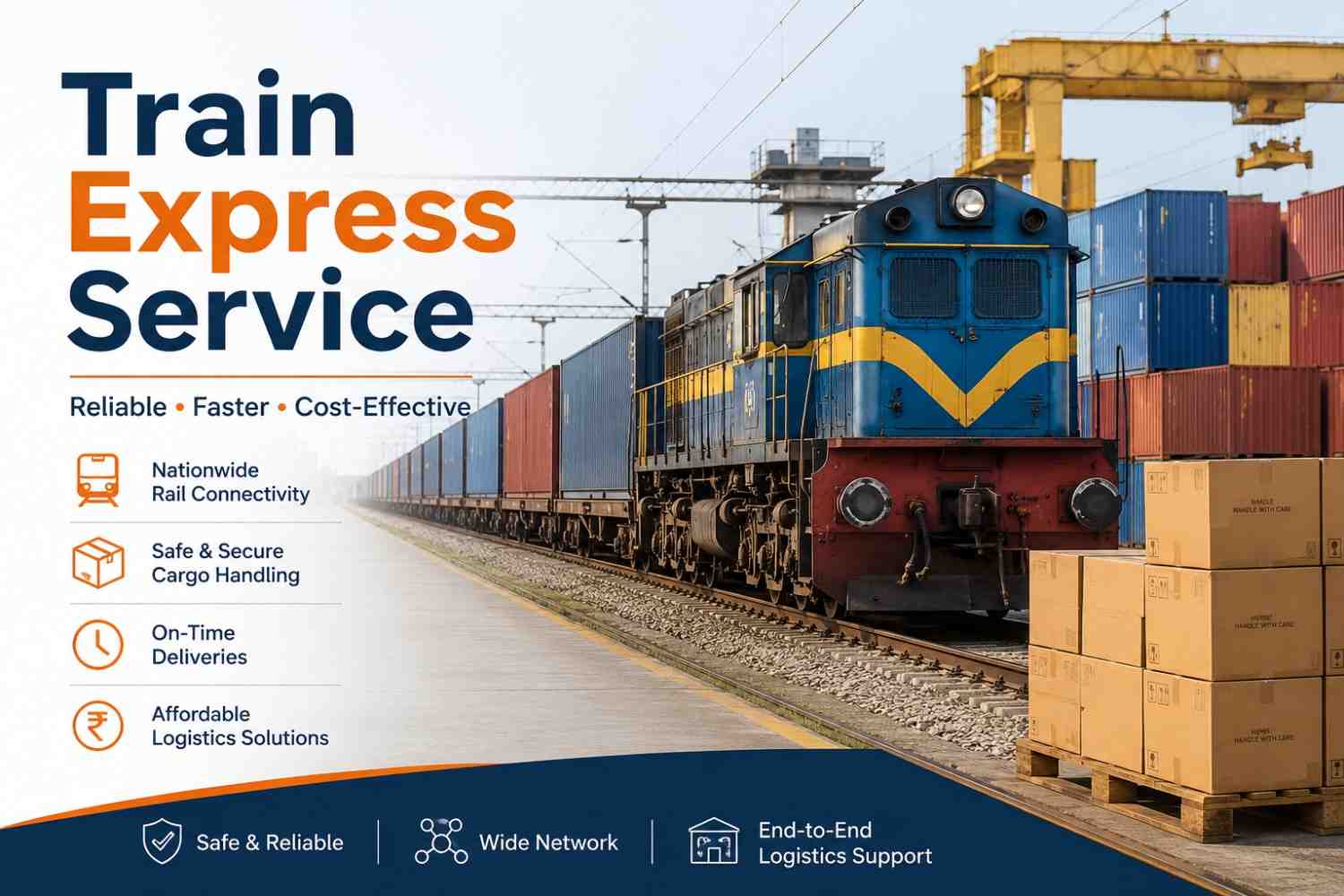
This is one reason many businesses are reconsidering how they move cargo across long distances. A well-managed train express service can offer a balance between cost control and delivery reliability, especially when road transportation becomes unpredictable due to congestion, fuel fluctuations, or driver availability.
The appeal of rail freight is easy to understand. The operational reality is more complicated.
Key Takeaways
- Rail transportation performs best when shipment planning is predictable.
- Most rail freight delays originate outside the railway network.
- Poor first-mile and last-mile coordination can eliminate rail cost advantages.
- Long-distance cargo movement becomes more efficient when shipment volumes are stable.
- Vendor selection often matters more than transportation mode itself.
Why Rail Freight Looks Simple Until Operations Begin
On paper, rail transportation appears straightforward. Goods are loaded, transported, and delivered. In reality, execution involves multiple operational dependencies that many organizations underestimate.
A train may depart on schedule, but shipments can still miss delivery commitments due to loading delays, documentation issues, terminal congestion, or coordination failures between warehouses and transport teams.
This is usually where projects become messy.
I have seen organizations invest significant effort negotiating freight rates while paying very little attention to operational workflows. A small communication gap between warehouse operations and transportation teams can create more disruption than a pricing issue.
This is why experienced logistics teams evaluate the entire movement process rather than focusing only on transportation costs.
A reliable train express service works best when procurement, warehousing, dispatch planning, and transportation teams operate with the same delivery expectations.
Where Train Cargo Services Create Real Business Value
Not every shipment belongs on a train. That is one of the most important realities businesses often overlook.
The following situations usually benefit from rail transportation:
- Long-distance freight movement between major commercial hubs
- High-volume shipments with predictable dispatch schedules
- Inventory replenishment across multiple distribution centers
- Bulk industrial cargo requiring controlled transportation costs
- Businesses seeking cost-effective train shipment delivery at scale
The strongest advantage of Train Cargo Services appears when shipment volumes increase. As operations scale, transportation efficiency becomes more important than isolated delivery speed.
Many companies initially focus on fastest possible delivery. Later, when transportation expenses begin affecting profitability, attention shifts toward consistency and cost control.
That is often where railway logistics services become attractive.
The Hidden Challenges Most Businesses Discover Later
One thing many teams underestimate is how much rail transportation depends on everything surrounding the rail network.
The train itself is rarely the problem.
First-mile collection, cargo handling, terminal operations, inventory synchronization, unloading schedules, and last-mile delivery create most operational friction.
A common mistake is assuming that selecting a rail logistics company in India automatically solves transportation inefficiencies. It does not.
Poor warehouse readiness can delay dispatches. Weak inventory visibility creates loading errors. Inaccurate shipment forecasting results in unused capacity and unnecessary transportation costs.
Most planning timelines look reasonable until real execution begins.
The technical setup is rarely the hardest part. Managing long-term operational consistency usually is.
Organizations that treat rail transportation as part of a larger supply chain process usually perform better than those treating it as an isolated shipping activity.
Why Cost Calculations Often Go Wrong
Cost discussions around rail freight frequently focus on transportation rates alone. That approach creates misleading comparisons.
The actual economics involve storage costs, handling charges, shipment consolidation, inventory carrying costs, delivery commitments, and operational coordination.
Affordable train shipment services can quickly become expensive when planning errors increase inventory holding periods or create delivery disruptions.
I have seen businesses reduce freight expenses while simultaneously increasing overall logistics costs because supporting operations were poorly managed.
Experienced teams evaluate total landed cost rather than transportation cost in isolation.
This broader perspective explains why many long-distance rail logistics solutions succeed while others struggle despite having similar transportation pricing.
The difference usually comes from operational discipline rather than freight rates.
Choosing the Right Rail Logistics Partner
Selecting a logistics provider often becomes a procurement exercise when it should be an operational assessment.
The strongest providers are not always the cheapest. They are usually the ones capable of managing disruptions, maintaining communication, coordinating multiple stakeholders, and handling unexpected operational pressure.
A capable rail logistics company in India should demonstrate visibility across shipment movement, terminal coordination, documentation management, and escalation handling.
Transportation failures rarely occur because everything went wrong at once. They usually occur because several small issues were ignored until they combined into a larger problem.
That pattern appears repeatedly across logistics operations.
Businesses looking for long-term reliability should evaluate operational maturity, reporting capability, network coverage, and exception management processes before focusing exclusively on pricing.
Conclusion
If there is one practical lesson from years of logistics operations, it is this: transportation mode rarely determines success by itself. Operational discipline does.
Many organizations still make the mistake of selecting providers based primarily on freight rates. The consequences usually appear months later through missed deliveries, inconsistent service levels, and growing coordination challenges.
A well-managed train express service can be one of the most efficient options for long-distance freight movement. The real value comes from how well the surrounding logistics process is managed.
As supply chains continue becoming more cost-sensitive, businesses that build stronger planning, visibility, and coordination around rail freight will likely gain the biggest operational advantage.
FAQs
1. Is train express service suitable for all types of cargo?
Ans. No. It works best for predictable, medium-to-large volume shipments moving over long distances. Urgent or highly fragmented deliveries may still be better suited to road or air transport.
2. How do Train Cargo Services reduce logistics costs?
Ans. They often lower transportation costs per unit, especially for bulk or consolidated shipments. The savings become more noticeable as shipment volumes increase.
3. What causes delays in railway logistics services?
Ans. Delays frequently come from loading issues, terminal handling, documentation gaps, warehouse coordination problems, or last-mile delivery challenges rather than train movement itself.
4. How should businesses evaluate a rail logistics company in India?
Ans. Focus on operational capabilities, shipment visibility, network coverage, communication standards, and problem-resolution processes rather than pricing alone.
5. Are long-distance rail logistics solutions reliable for scaling businesses?
Ans. Yes, provided shipment planning and inventory management are structured properly. Rail networks often become more efficient as shipment volumes grow.