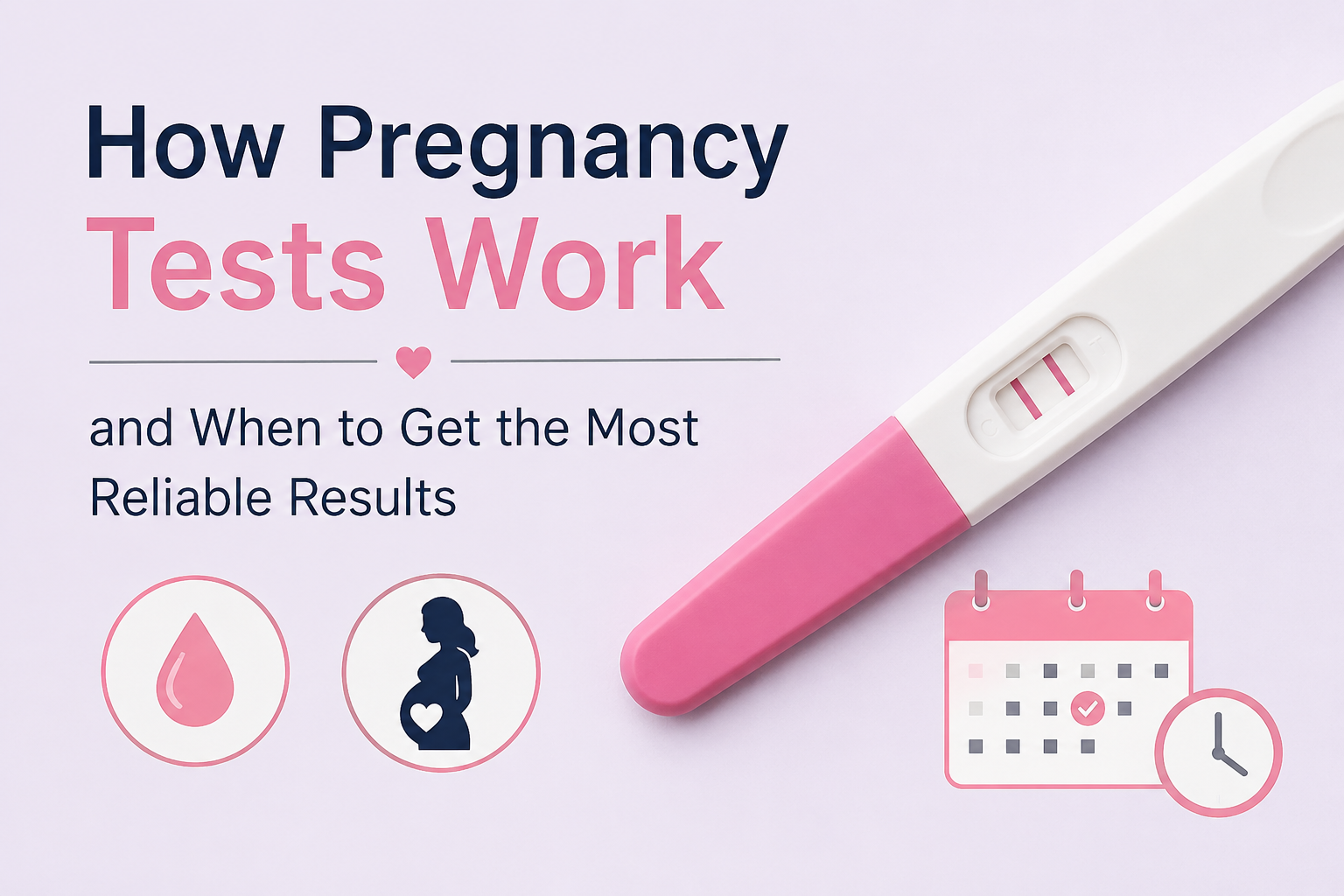
Waiting to know whether you are pregnant can be an emotional experience. Whether you are planning for a baby or simply looking for answers, a pregnancy test offers a quick and convenient way to check. Modern pregnancy tests are designed to provide accurate results from the comfort of your home, helping you make informed decisions with confidence.
What Is a Pregnancy Test?
A pregnancy test is a simple device that detects the presence of human chorionic gonadotropin (hCG), a hormone produced by the body during pregnancy. This hormone starts increasing soon after a fertilized egg attaches to the uterus. Most home pregnancy tests can detect hCG in urine and provide results within a few minutes.
These tests are easy to use and are widely trusted because of their high accuracy when used correctly.
When Should You Take a Pregnancy Test?
Timing plays an important role in getting accurate results. For the best outcome, it is recommended to take a pregnancy test after a missed period. Although some early detection tests can identify pregnancy a few days before the expected period, waiting until the first day of a missed cycle often provides more reliable results.
Using the first urine of the morning may also improve accuracy since it contains a higher concentration of hCG.
How Does a Pregnancy Test Work?
Home pregnancy tests are designed to be simple and user-friendly. Most involve placing the test strip under a stream of urine or dipping it into a collected sample. After a few minutes, the result appears in the form of lines, symbols, or a digital display.
Always follow the instructions provided with the test kit, as different brands may have slightly different methods.
Understanding the Results
Reading the results correctly is important. A positive result usually means that hCG has been detected, indicating pregnancy. A negative result means that the hormone was not found or is still too low to be detected.
Sometimes testing too early can lead to a false negative. If your period still does not arrive after a negative result, waiting a few days and testing again can provide a clearer answer.
Common Signs That May Lead You to Take a Pregnancy Test
Many women decide to take a pregnancy test after noticing changes in their bodies. Some common signs include:
- Missed period
- Nausea or morning sickness
- Breast tenderness
- Frequent urination
- Fatigue or unusual tiredness
- Changes in appetite
- Mood swings
These symptoms can vary from person to person, which is why a pregnancy test is often the first step toward confirmation.
Choosing a Reliable Pregnancy Test
Not all pregnancy tests are the same. When selecting one, consider factors such as sensitivity, ease of use, and clear instructions. A quality pregnancy test should provide fast and accurate results while giving you peace of mind during an important moment in your life.
Digital pregnancy tests are popular because they display results in simple words, reducing the chance of confusion.
Why Home Pregnancy Tests Are Popular
Home pregnancy tests offer privacy, convenience, and quick results. They allow women to check for pregnancy without scheduling an immediate doctor’s appointment. However, if the result is positive, it is important to consult a healthcare professional to confirm the pregnancy and begin proper prenatal care.
Final Thoughts
A pregnancy test is a simple yet valuable tool that helps women gain clarity during an important stage of life. By using the test at the right time and following the instructions carefully, you can receive dependable results in just a few minutes. Whether the result is positive or negative, understanding your next steps and seeking medical advice when needed can help you move forward with confidence and peace of mind.