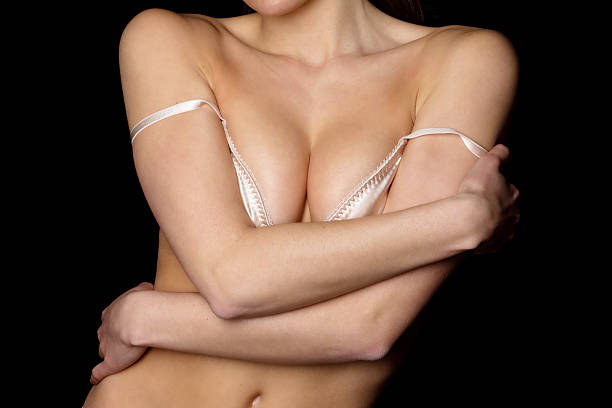
Breast augmentation surgery in Abu Dhabi has become a popular choice for those seeking to enhance their appearance and boost confidence. This procedure is designed to improve the size, shape, and overall look of the breasts. Many individuals considering this surgery often wonder about the potential for visible scars afterward. Understanding the nature of scars related to breast augmentation can help individuals make informed decisions and set realistic expectations about the results.
Understanding Incisions and Scarring
Types of Incisions Used in Breast Augmentation
The type of incision used during breast augmentation plays a significant role in the appearance of scars. There are several common incision sites, each with its own advantages and considerations:
- Inframammary Incision: Made along the natural crease beneath the breast, this incision provides good access for the surgeon and often results in a well-concealed scar.
- Periareolar Incision: Placed around the border of the areola, this incision can hide scars within the pigmented area, making them less noticeable.
- Transaxillary Incision: Created in the armpit, this approach avoids scars on the breast itself and may be preferred by some individuals.
- Transumbilical Incision: Less commonly used, this involves an incision in the navel, with the implant inserted upward into the breast tissue.
How Scars Heal Over Time
Post-surgical scars are a natural part of the healing process. Initially, scars may appear red, raised, or slightly bumpy. Over time, the body works to remodel the tissue, and scars typically fade, becoming less prominent. The healing timeline varies from person to person and depends on factors such as skin type, age, and overall health.
Factors Influencing Scarring in Breast Augmentation
Surgical Technique and Skill
The expertise of the surgeon significantly impacts the final appearance of scars. Skilled surgeons aim to make incisions within natural skin folds or in discreet areas to minimize visibility. Precise suturing techniques also contribute to smoother, less noticeable scars.
Individual Skin Type and Healing Response
Some individuals have skin that heals more efficiently, resulting in less visible scars. Conversely, those with certain skin types or tendencies toward scar formation, such as keloids or hypertrophic scars, may notice more prominent scarring.
Postoperative Care and Lifestyle
Proper wound care after surgery can promote better healing and reduce the risk of prominent scars. Factors like avoiding sun exposure, following aftercare instructions, and maintaining good nutrition support optimal healing.
Common Concerns About Scarring
Are Scars Permanent?
While scars may never completely disappear, most tend to fade significantly over time. Many scars become less noticeable and blend into the surrounding skin, especially when proper care is taken.
Can Scars Be Hidden?
Surgeons aim to place incisions in areas that can conceal scars, such as beneath the breast fold or around the areola. Additionally, as scars mature, they often become less visible, making them easier to hide.
Is It Possible to Minimize Scarring?
Yes, various methods can help reduce the appearance of scars. These include following postoperative instructions diligently, avoiding sun exposure, and sometimes using silicone sheets or gels as recommended by healthcare providers.
Aftercare Tips for Optimal Healing
- Follow all post-surgical instructions provided by the surgeon.
- Keep the incision areas clean and dry.
- Avoid strenuous activities until fully healed.
- Protect scars from direct sunlight to prevent pigmentation changes.
- Attend follow-up appointments for proper assessment and guidance.
Frequently Asked Questions About Scars in Breast Augmentation
Will the scars be visible in swimwear or certain clothing?
Most scars are strategically placed to be discreet, often hidden beneath the breast or within natural contours. Over time, they tend to fade, making them less noticeable in everyday clothing or swimwear.
How long does it take for scars to fade?
The process varies among individuals but generally, scars diminish significantly within a year. Complete fading can take up to several years, depending on individual healing and care.
Are there any non-surgical options to reduce scars?
While surgical scars are inevitable, proper aftercare and certain treatments can help minimize their appearance. Consulting with a healthcare professional can provide personalized recommendations.
Can scars be permanently avoided?
Complete avoidance of scars is unlikely with surgical procedures, but with careful planning, skilled technique, and diligent aftercare, scars can be minimized and made less noticeable.
Final Thoughts
Breast augmentation surgery in Abu Dhabi is a safe and effective procedure that can lead to beautiful, natural-looking results. While scars are a natural part of the healing process, advances in surgical techniques and careful planning help ensure they are as discreet as possible. Most scars tend to fade over time and can often be easily hidden beneath clothing or swimwear. With proper aftercare and patience, individuals can enjoy their enhanced appearance with minimal concern about visible scars, making breast augmentation a rewarding experience.
READ MORE : What Should You Expect from Breast Augmentation Surgery ?