SIP trunk provider vs traditional telecom provider is a key decision point for modern businesses. Communication systems now define customer experience, operational speed, and business reliability. Companies need systems that scale, reduce cost, and maintain strong call quality across locations.
A SIP trunk provider delivers voice communication over the internet. A traditional telecom provider uses physical phone lines and fixed infrastructure. This difference shapes performance, flexibility, and long term cost.
We break down both models in detail to show why businesses are shifting toward SIP based communication systems.
What Is a SIP Trunk Provider
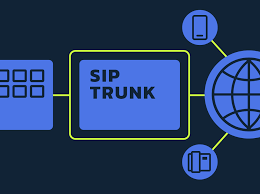
A SIP trunk provider delivers voice services using Session Initiation Protocol. It connects business phone systems to the public telephone network through the internet.
Voice data converts into digital packets. These packets travel through secure networks and reach the receiver in real time. This removes the need for copper lines or ISDN systems.
Businesses use SIP trunk providers to connect cloud PBX systems, VoIP platforms, and unified communication tools.
What Is a Traditional Telecom Provider
A traditional telecom provider delivers voice communication through physical infrastructure.
It relies on:
- Copper telephone lines
- ISDN circuits
- On site PBX hardware
Each call travels through fixed networks. Scaling requires physical installation and maintenance.
This system works but limits flexibility and increases operational cost.
Core Differences Between SIP Trunk Provider and Traditional Telecom
| Feature | SIP Trunk Provider | Traditional Telecom Provider |
| Infrastructure | Internet based | Physical lines |
| Setup Time | Fast | Slow |
| Scalability | Instant | Limited |
| Maintenance | Low | High |
| Cost Model | Usage based | Fixed cost |
| Remote Access | Full support | Limited |
| Flexibility | High | Low |
This comparison shows the shift in business communication models.
Cost Comparison
SIP Trunk Provider Costs
Businesses pay for:
- Active channels
- Call usage
- Optional features
No hardware investment is required. Costs scale with usage.
Traditional Telecom Costs
Businesses pay for:
- Line rentals
- Hardware installation
- Maintenance contracts
- Upgrade fees
Costs remain fixed even when usage is low.
SIP trunk providers offer more financial control.
Call Quality and Performance
SIP Trunk Provider Performance
Modern systems improve call quality through:
- Low latency routing
- High definition voice codecs
- Traffic optimisation
- Packet loss control
Traditional Telecom Performance
Traditional systems offer stable quality but depend on physical infrastructure. They struggle with scaling and remote connectivity.
SIP trunking now matches or exceeds traditional clarity when configured correctly.
Scalability and Growth
SIP Trunk Provider Advantage
Businesses scale communication instantly:
- Add users without installation
- Expand across countries
- Adjust capacity in real time
Traditional Telecom Limitation
Scaling requires:
- Physical line installation
- Hardware upgrades
- Service provider intervention
This slows business expansion.
Remote and Hybrid Work Support
SIP Trunk Provider
Supports modern work models:
- Mobile apps
- Desktop softphones
- Cloud PBX integration
- Global access
Traditional Telecom Provider
Limited to office based systems. Remote access requires extra infrastructure.
Businesses with hybrid teams prefer SIP systems.
Reliability and Business Continuity
SIP Trunk Provider
Offers:
- Automatic failover
- Cloud redundancy
- Multi server routing
- Remote recovery
Traditional Telecom Provider
Depends on physical line stability. Local outages affect communication directly.
SIP trunk systems reduce downtime risk.
Security Comparison
SIP Trunk Provider Security
Includes:
- Encryption protocols
- Secure authentication
- Firewall protection
- Network monitoring
Traditional Telecom Security
Relies on physical security of lines. Less control over digital threats.
Modern encryption gives SIP systems stronger protection.
Integration with Business Tools
SIP Trunk Provider Integration
Connects with:
- CRM systems
- Helpdesk software
- Sales platforms
- Cloud communication tools
Traditional Telecom Integration
Limited integration options. Requires third party systems.
SIP systems improve workflow automation.
Use Cases in Modern Business
Customer Support Centres
Handle large call volumes with routing systems.
Sales Teams
Access customer data during calls.
Remote Teams
Maintain communication across locations.
Global Enterprises
Manage multi region communication efficiently.
Deployment Process
Step 1: System Analysis
Evaluate current telecom setup.
Step 2: Architecture Design
Plan SIP based communication structure.
Step 3: Configuration
Set up SIP trunk connections.
Step 4: Testing
Verify call quality and routing.
Step 5: Deployment
Launch across business operations.
Cost Efficiency Over Time
SIP trunk providers reduce long term expenses:
- Lower infrastructure costs
- Reduced maintenance spending
- Flexible scaling model
- Optimised call routing
Traditional systems increase long term financial burden.
Future of Business Communication
The communication industry is shifting toward:
- AI based call routing
- Real time analytics
- Predictive customer support
- Cloud unified communication
SIP trunk providers form the foundation of this evolution.
How Almens Consult Can Help You
Almens Consult design and deploy SIP based communication systems that replace outdated telecom infrastructure. We evaluate your current setup, identify inefficiencies, and implement a scalable SIP trunk solution. Our team manages configuration, integration, and optimisation to ensure stable call quality and cost control. We support ongoing system performance to help your business grow without communication limits.
Conclusion
A SIP trunk provider delivers modern communication with flexibility, scalability, and lower cost. Traditional telecom providers rely on fixed infrastructure that limits growth and increases expense.
Businesses that switch to SIP systems gain stronger control, better performance, and future ready communication.