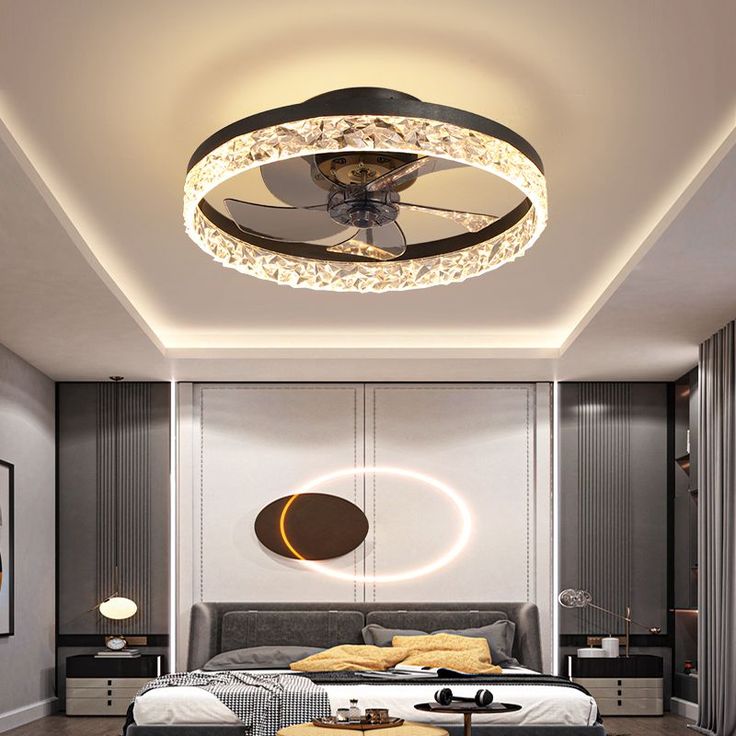
Lighting plays a central role in shaping the mood, functionality, and visual appeal of any interior space. Among the many lighting options available, floor lamps and table lamps stand out as versatile and widely used choices. While both serve the purpose of illumination, they differ significantly in design, placement, and practical use. Deciding between them requires a thoughtful understanding of your space, lifestyle, and aesthetic preferences.
Understanding Floor Lamps
Floor lamps are tall, freestanding lighting fixtures designed to stand directly on the ground. Typically ranging from four to six feet in height, these fixtures are ideal for providing ambient or task lighting without requiring additional furniture for support.
One of the biggest advantages of floor lamps is their ability to illuminate larger areas. Their elevated light source allows brightness to spread evenly across a room, making them suitable for living areas, reading corners, and open spaces. When paired with Luxury Table Lamps, the lighting becomes more layered and refined, adding both focused illumination and decorative appeal. Many designs come with adjustable heads or multiple bulbs, enhancing flexibility for different activities.
Another benefit lies in their space-saving nature. Since they occupy vertical space rather than surface area, they are perfect for rooms where tables or shelves are limited. This makes them particularly useful in smaller apartments or minimalist interiors where clutter reduction is a priority.
Design versatility is another strong point. From sleek modern styles to rustic or industrial designs, floor lamps can act as statement pieces. Some feature arc shapes that extend over furniture, while others provide diffused lighting through fabric or glass shades, adding a soft glow to the environment.
However, floor lamps also have limitations. Their size can make them less portable compared to smaller lighting options. They may also require careful placement to avoid obstructing movement pathways. In compact rooms, a poorly positioned tall fixture can feel overwhelming.
Understanding Table Lamps
Table lamps are compact lighting fixtures designed to sit on surfaces such as bedside tables, desks, or cabinets. They are typically smaller in size and are often used for focused or localized illumination.
One of the most appealing aspects of table lamps is their convenience. They are easy to move, reposition, and replace, making them ideal for individuals who frequently rearrange their spaces. Their portability allows for quick adjustments in lighting based on changing needs.
These fixtures are excellent for task lighting. Whether reading, writing, or working on a laptop, a table lamp provides concentrated brightness exactly where needed. This makes them especially popular in bedrooms, study areas, and home offices.
Aesthetic appeal is another strong feature. Table lamps come in a wide range of styles, colors, and materials, allowing them to complement or enhance interior décor. They often serve as decorative accents, adding personality to a room without dominating the space.
On the downside, table lamps require a surface to function. This means they are not suitable for areas lacking furniture. Additionally, their limited height restricts their ability to illuminate large spaces effectively. They are best used for specific zones rather than overall room lighting.
Comparing Functionality
When comparing functionality, the primary difference lies in coverage and purpose. Floor lamps excel in providing general or ambient lighting. Their height allows light to disperse widely, making them suitable for creating a well-lit environment.
In contrast, table lamps are more focused. They are designed for specific tasks or areas, offering directed illumination. This makes them ideal for activities that require precision and clarity.
If your goal is to brighten an entire room, a floor lamp is often the better choice. For targeted lighting needs, a table lamp is more practical.
Space Considerations
The size and layout of your room play a crucial role in determining the right option. Floor lamps are ideal for spaces with limited surface area but sufficient floor space. They fit well in corners or beside seating arrangements, providing light without crowding tables.
Table lamps, on the other hand, require existing furniture. They are perfect for rooms that already have side tables, desks, or nightstands. In smaller rooms where floor space is restricted, a table lamp may be the more suitable option.
Ceiling height also matters. In rooms with low ceilings, tall fixtures might feel imposing. In such cases, compact lighting solutions can create a more balanced appearance.
Style and Aesthetic Impact
Lighting fixtures contribute significantly to the overall design of a space. Floor lamps often serve as bold design elements. Their size and structure make them noticeable, allowing them to act as focal points.
Table lamps, while smaller, add subtle charm. They enhance décor without drawing excessive attention. Their versatility allows them to blend seamlessly into various styles, from traditional to contemporary.
If you want a striking visual feature, a floor lamp may be the better choice. For understated elegance, a table lamp works well.
Flexibility and Mobility
Flexibility is another important factor. Table lamps are easier to move and reposition. Their lightweight design makes them ideal for dynamic spaces where layouts change frequently.
Floor lamps, although movable, are generally less convenient to relocate due to their size. However, some modern designs include lightweight materials and adjustable components, improving usability.
If adaptability is a priority, table lamps offer greater convenience.
Lighting Layers and Combination Use
Interior designers often recommend using multiple light sources to create layered lighting. This approach combines ambient, task, and accent lighting to achieve a balanced atmosphere.
In many cases, choosing between floor lamps and table lamps is not necessary. Instead, using both can enhance functionality and aesthetics. A floor lamp can provide general illumination, while table lamps add focused lighting and decorative appeal.
This combination creates depth and dimension, making the space more inviting and practical.
Energy Efficiency and Bulb Options
Both types of lamps support a variety of bulb options, including energy-efficient alternatives. The choice of bulb significantly impacts brightness, color temperature, and energy consumption.
Floor lamps often accommodate higher wattage bulbs, making them suitable for brighter illumination. Table lamps typically use lower wattage bulbs, ideal for softer lighting.
Selecting the right bulb for each fixture ensures optimal performance and energy savings.
Safety and Stability
Safety considerations should not be overlooked. Floor lamps must be stable to prevent tipping, especially in households with children or pets. A sturdy base is essential for maintaining balance.
Table lamps, being smaller, are generally more stable when placed on flat surfaces. However, they should still be positioned securely to avoid accidental falls.
Proper placement and quality construction contribute to safe usage for both options.
Cost and Budget
Budget can also influence your decision. Table lamps are often more affordable due to their smaller size and simpler design. They provide a cost-effective way to enhance lighting and décor.
Floor lamps can vary widely in price, depending on materials, design complexity, and features. While some options are budget-friendly, others may serve as premium statement pieces.
Considering your budget alongside your lighting needs helps narrow down the best choice.
Making the Right Choice
Choosing between a floor lamp, a table lamp, and a Ceiling Lamp/مصباح السقف ultimately depends on your specific requirements. If you need broad illumination, have limited surface space, or want a bold design element, a floor lamp is a strong option..
If you require focused lighting, value portability, or already have suitable surfaces, a table lamp is likely the better fit.
For many homes, a combination of both provides the most effective solution. This approach ensures adequate lighting for different activities while enhancing the overall aesthetic.
Final Thoughts
Lighting is more than just a practical necessity; it is a key element of interior design that influences comfort and atmosphere. Floor lamps and table lamps each offer unique advantages, catering to different needs and preferences.
By evaluating factors such as space, functionality, style, and flexibility, you can make an informed decision that enhances both the usability and appearance of your living environment. Whether you choose one type or incorporate both, thoughtful lighting choices can transform any room into a welcoming and functional space.