Not everyone wants needles in their face. Botox has become a household name in anti-aging, but more and more people are asking whether there’s a non-invasive option that actually works. That curiosity has pushed skincare innovation forward, especially in the world of topical treatments. One product that keeps popping up in conversations is the collagen serum mask. It promises firmer-looking skin, smoother fine lines, and a more refreshed appearance without downtime. But can it truly compete with injectables, or is it just another beauty trend?
In this guide, we’ll break down how collagen masks work, what dermatology science says about them, and whether they’re a realistic alternative for everyday wrinkle care.
Why People Are Looking Beyond Botox
Botox works by temporarily relaxing facial muscles, reducing the appearance of dynamic wrinkles like crow’s feet and frown lines.
Some people prefer to avoid injectables due to cost, maintenance, fear of needles, or simply wanting a more natural approach. Instead of paralyzing muscles, they focus on improving skin elasticity, hydration, and collagen support.
It’s important to understand this key difference: Botox targets muscle movement. Skincare targets skin quality.
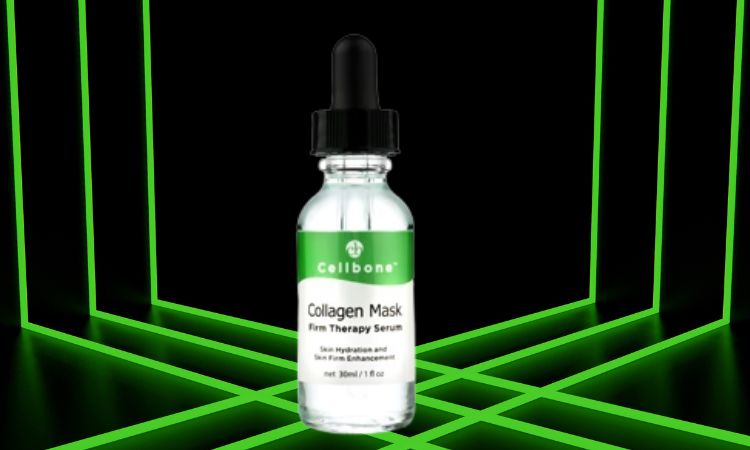
What Exactly Is a Collagen Serum Mask?
A collagen serum mask is typically a sheet mask or gel-based treatment infused with collagen peptides, humectants like hyaluronic acid, and barrier-repair ingredients. Unlike rinse-off masks, these are designed to sit on the skin long enough to deeply hydrate and temporarily plump the surface.
From a dermatological perspective, collagen molecules themselves are too large to penetrate deeply into the dermis. However, hydrolyzed collagen and peptides can support the skin barrier and improve surface hydration. When combined with ingredients that stimulate fibroblast activity, such as vitamin C or certain growth factors, they may help improve overall firmness over time.
In simple terms, they don’t rebuild collagen the way lasers or microneedling might, but they can enhance the look and feel of your skin.
How Collagen Masks Improve the Appearance of Wrinkles
Immediate Effects: Hydration and Plumping
One reason people love masks is the instant payoff. Hydrated skin reflects light better and appears smoother. Fine dehydration lines soften quickly because the epidermis holds more water.
When used before an event, a collagen Serum mask can:
- Reduce the appearance of surface lines
- Improve skin luminosity
- Create a smoother makeup base
These effects are temporary but noticeable.
Long-Term Effects: Skin Barrier Support
Consistent use may improve skin texture by strengthening the moisture barrier. Ingredients like ceramides, peptides, and antioxidants support the stratum corneum, helping skin retain hydration and resist environmental stress.
Can Collagen Serum Masks Replace Botox?
The honest answer is no, not entirely. They don’t relax facial muscles. However, they can reduce the appearance of fine lines caused by dehydration and early collagen loss.
In my experience working with skincare formulations and analyzing ingredient decks, the best results come when collagen masks are part of a broader anti-aging routine. Think of them as a supportive treatment rather than a standalone solution.
For example, pairing a mask with retinoids (which increase collagen production), sunscreen (to prevent UV-induced collagen breakdown), and antioxidant serums creates a more comprehensive approach.
The Role of Collagen in Skin Aging
Collagen production declines starting in your mid-20s. By your 40s, you may lose about 1% of collagen per year. This contributes to:
- Fine lines
- Loss of elasticity
- Thinning dermis
- Increased transepidermal water loss (TEWL)
While a mask won’t reverse intrinsic aging, it can improve skin hydration and surface smoothness. When combined with a pure collagen serum in a daily routine, you’re layering hydration and peptide support for better cumulative effects.
Who Benefits Most from Collagen Masks?
These treatments work especially well for:
- Early signs of aging
- Dull or dehydrated skin
- Post-travel dryness
- Event prep before makeup
They’re also suitable for people with sensitive skin who want visible improvement without aggressive resurfacing treatments.
How Often Should You Use a Collagen Mask?
Most dermatologists suggest 1-3 times per week, depending on your skin type. Overuse won’t increase collagen production, but it can overload the skin with occlusives.
Apply to clean skin, leave on for the recommended time, and seal in hydration with a moisturizer. During the day, always follow with broad-spectrum SPF 30 or higher.
Conclusion
Botox and topical skincare aren’t direct competitors – they address different layers of the aging process. A collagen Serum mask won’t freeze wrinkles, but it can significantly improve hydration, luminosity, and the overall appearance of fine lines. For many people looking for non-invasive solutions, that balance between visible improvement and zero downtime is exactly what makes collagen-based treatments appealing.
FAQs
Do collagen masks actually boost collagen production?
They mainly improve hydration and surface smoothness. Some peptide formulas may support collagen synthesis indirectly.
Are collagen Serum masks safe for sensitive skin?
Most are, especially fragrance-free formulas. Always patch test first.
How long do results from a collagen mask last?
Immediate plumping lasts 24–48 hours. Long-term benefits require consistent use.
Can collagen masks remove deep wrinkles?
No. Deep dynamic wrinkles respond better to injectables or dermatology procedures.