Hypertension, commonly known as high blood pressure, is often referred to as the “silent killer” because it can develop without obvious symptoms, silently damaging your heart, kidneys, and arteries. In fast-paced cities like Dubai, where lifestyle habits such as high-stress jobs, sedentary routines, and unhealthy diets are common, Hypertension Dubai has become a growing concern. Early detection and management are crucial to prevent serious complications like heart attacks, strokes, and kidney failure.
This blog will guide you through the early warning signs of hypertension, how it can be detected, and actionable steps you can take to protect your health.
Understanding Hypertension
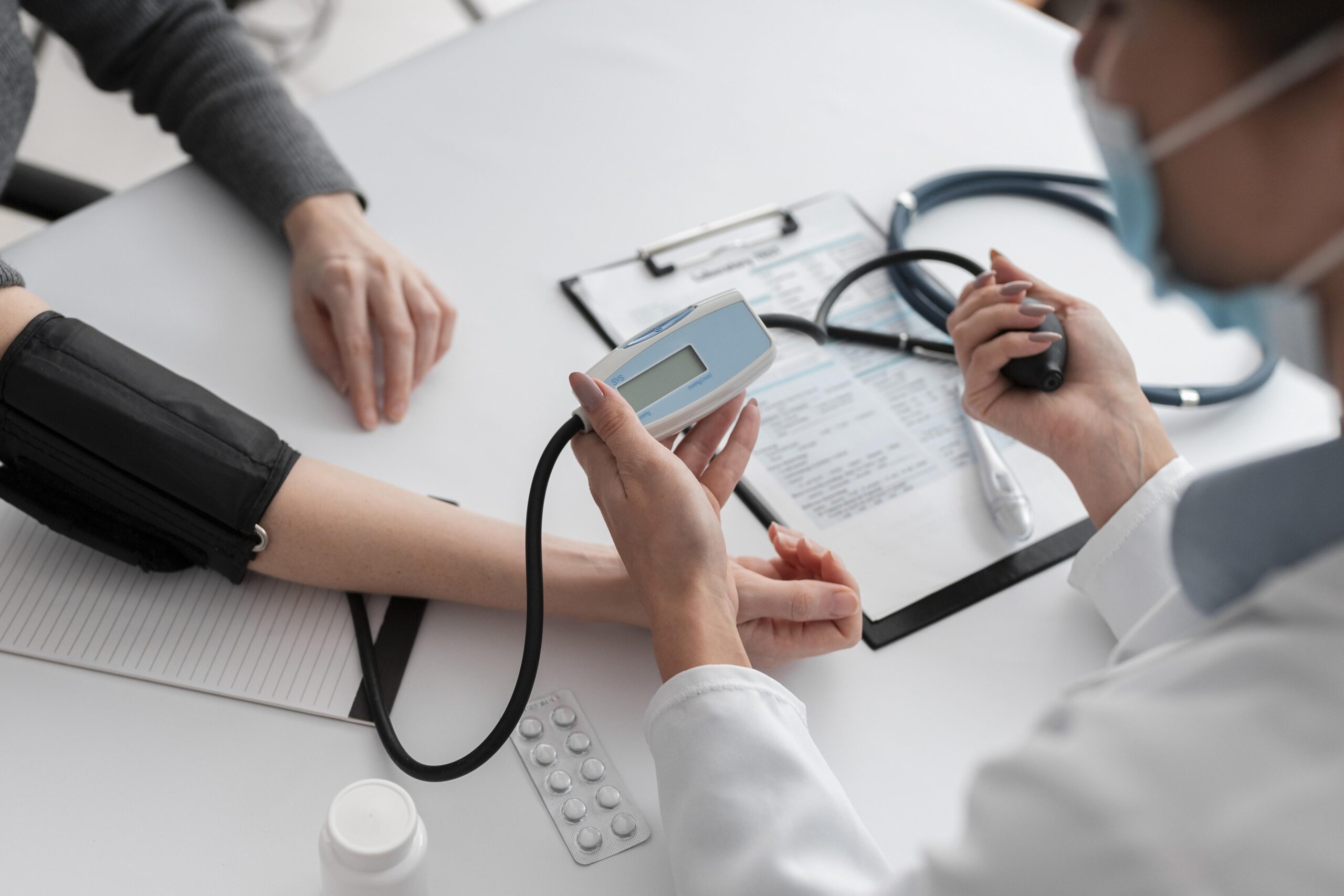
Hypertension occurs when the force of blood against your artery walls is consistently too high. Normally, blood pressure is measured in two numbers: systolic (pressure during a heartbeat) over diastolic (pressure between heartbeats). A reading of 120/80 mmHg is considered healthy, while 130/80 mmHg or higher may indicate elevated blood pressure.
The danger of hypertension lies in its silent progression. Many people with high blood pressure may feel perfectly fine until serious complications arise. This is why understanding and recognizing early warning signs is essential.
Early Warning Signs of Hypertension
While hypertension can remain asymptomatic for years, some early signs may indicate that your blood pressure is elevated. Paying attention to these signals and getting regular checkups in Dubai can help in timely intervention.
1. Persistent Headaches
Frequent headaches, especially at the back of the head or around the temples, may signal elevated blood pressure. While headaches alone are not definitive evidence of hypertension, recurring or severe headaches should prompt a medical evaluation.
2. Dizziness or Lightheadedness
High blood pressure can affect blood flow to the brain, resulting in dizziness, lightheadedness, or even fainting spells. If these symptoms are persistent or worsen over time, they should not be ignored.
3. Nosebleeds
Though nosebleeds are often caused by minor issues like dry air, frequent unexplained nosebleeds can indicate dangerously high blood pressure. In Dubai’s dry climate, this symptom should be carefully assessed by a healthcare professional.
4. Shortness of Breath
Hypertension forces your heart to work harder, which may lead to fluid accumulation in the lungs, causing shortness of breath. Difficulty breathing during routine activities or mild exertion can be an early warning sign.
5. Chest Pain
A tightness or discomfort in the chest may signal strain on the heart due to high blood pressure. This symptom requires immediate medical attention, as it can be an early indicator of cardiovascular complications.
6. Vision Problems
High blood pressure can damage blood vessels in the eyes, leading to blurred vision, seeing spots, or sudden vision changes. Routine eye exams are essential for early detection, as these changes can precede serious cardiovascular issues.
7. Fatigue and Confusion
Chronic high blood pressure can impact oxygen flow to vital organs, causing fatigue, confusion, and difficulty concentrating. While these symptoms may overlap with other health issues, persistent episodes warrant a blood pressure evaluation.
Risk Factors Increasing Hypertension in Dubai
Several lifestyle and genetic factors contribute to the prevalence of Hypertension Dubai:
- Unhealthy Diet: High salt, sugar, and processed food consumption elevate blood pressure.
- Sedentary Lifestyle: Limited physical activity reduces heart efficiency and increases blood pressure.
- Obesity: Excess weight increases strain on the heart and arteries.
- Stress: Chronic stress triggers hormonal responses that elevate blood pressure.
- Family History: Genetics play a significant role in predisposing individuals to hypertension.
- Smoking and Alcohol: Both habits damage blood vessels and contribute to elevated pressure.
Understanding these factors can help individuals in Dubai make lifestyle modifications to reduce their risk.
Diagnosing Hypertension
The most reliable way to identify high blood pressure is through regular screenings. In Dubai, many healthcare centers offer comprehensive Medical check up Dubai packages that include blood pressure measurement, cholesterol tests, and cardiovascular assessments.
A healthcare professional may recommend:
- Ambulatory Blood Pressure Monitoring (ABPM): Measures blood pressure at regular intervals over 24 hours for accuracy.
- Home Blood Pressure Monitoring: Helps track blood pressure trends outside the clinic.
- Laboratory Tests: Blood and urine tests check for organ damage or underlying causes.
Regular monitoring is essential, as early detection can prevent long-term complications.
Preventing and Managing Hypertension
Once hypertension is detected, lifestyle modifications and, if necessary, medications can help control blood pressure effectively.
Lifestyle Changes
- Adopt a Balanced Diet: Emphasize fruits, vegetables, whole grains, and lean protein while reducing salt and processed foods.
- Stay Physically Active: Aim for at least 30 minutes of moderate exercise daily, such as walking, swimming, or cycling.
- Maintain a Healthy Weight: Losing excess weight can significantly lower blood pressure.
- Manage Stress: Techniques like meditation, yoga, and deep breathing exercises can reduce stress-related hypertension.
- Limit Alcohol and Quit Smoking: Both habits elevate blood pressure and harm cardiovascular health.
Medical Intervention
For those with significantly high readings, doctors may prescribe medications, such as:
- Diuretics
- ACE inhibitors
- Beta-blockers
- Calcium channel blockers
Medication should always be taken under medical supervision, and regular follow-ups are necessary to adjust treatment plans.
Conclusion
Hypertension Dubai is a silent yet serious health issue that can lead to life-threatening complications if left unmanaged. Recognizing early warning signs—such as headaches, dizziness, shortness of breath, chest pain, and vision problems—can make a critical difference in preventing severe outcomes. Regular screenings, a healthy lifestyle, and medical guidance are key to controlling blood pressure effectively.
By staying vigilant and proactive, residents of Dubai can reduce their risk of hypertension-related health problems and lead healthier, more fulfilling lives.
FAQs
Q1: Can hypertension be completely cured?Hypertension cannot usually be cured, but it can be effectively managed through lifestyle changes and medications. Early detection greatly improves outcomes.
Q2: How often should I check my blood pressure in Dubai?Adults should check their blood pressure at least once a year. High-risk individuals may need more frequent monitoring.
Q3: Are there specific foods to avoid for hypertension?Yes. Avoid high-salt foods, processed snacks, sugary drinks, and excessive fatty foods. Focus on fruits, vegetables, whole grains, and lean proteins.
Q4: Can stress alone cause hypertension?Stress can temporarily raise blood pressure, and chronic stress may contribute to sustained hypertension. Stress management is important alongside other lifestyle factors.
Q5: Is hypertension hereditary?Yes. A family history of hypertension increases your risk, but lifestyle factors also play a significant role.
Q6: Where can I get a complete checkup for hypertension in Dubai?Many hospitals and clinics offer comprehensive Medical check up Dubai packages that include blood pressure measurement, cholesterol screening, and cardiovascular assessment.