
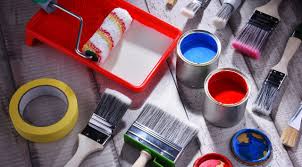
Painting is one of the most effective ways to refresh a home, office, or commercial space. Whether someone is a professional contractor or a DIY enthusiast, having the right equipment makes the entire process smoother, faster, and more efficient. The quality of the finish often depends not only on the paint itself but also on the tools used during the project. Proper preparation and the correct equipment can help achieve a professional-looking result while saving time and effort.
One of the most common items used during any painting project is the brush. Paint brushes come in various shapes and sizes, each designed for a specific purpose. Smaller brushes are ideal for detailed areas such as corners, trims, and edges, while larger brushes work better for broader surfaces. High-quality brushes allow the paint to spread evenly, reducing visible strokes and improving overall coverage.
Another essential item used in many painting projects is the roller. Rollers are particularly useful when covering large areas like walls and ceilings. They allow painters to apply paint quickly and evenly, which makes them a favorite for both professionals and homeowners. Rollers also come with different nap lengths, which are designed for different surface textures. Smooth walls require shorter naps, while rough or textured surfaces need longer ones to reach into small crevices.
Paint trays are also an important part of the process. These trays hold the paint and allow rollers to be evenly coated before application. A well-designed tray helps distribute paint properly, preventing drips and excessive buildup on the roller. Many painters also use tray liners, which make cleanup much easier once the project is complete.
Surface preparation is another critical stage before painting begins. Sandpaper or sanding blocks are commonly used to smooth rough surfaces, remove old paint, or prepare walls for a new coat. Proper sanding helps paint adhere better to the surface, resulting in a more durable and long-lasting finish. Without adequate preparation, even high-quality paint may not produce the desired results.
Drop cloths are another helpful addition to any painting setup. These protective sheets are placed on floors, furniture, and other surrounding areas to prevent paint spills and splatters. Using drop cloths not only protects valuable items but also reduces the amount of time needed for cleaning afterward. Many professionals prefer reusable canvas drop cloths because they are durable and absorb paint better than plastic sheets.
Masking tape or painter’s tape also plays a significant role in achieving neat edges and clean lines. It is commonly applied around windows, door frames, baseboards, and other areas where paint should not spread. Once the painting is finished, the tape can be removed to reveal sharp and precise borders.
Ladders and extension poles are frequently used when painting high walls or ceilings. These tools allow painters to reach elevated areas safely without stretching too far or risking imbalance. Extension poles can be attached to rollers, enabling painters to cover tall surfaces more efficiently while maintaining consistent pressure and coverage.
Modern innovations have also introduced advanced Painting Tools that make projects easier than ever before. For example, paint sprayers can cover large surfaces quickly and produce a smooth finish with minimal brush marks. While sprayers require practice and proper masking of surrounding areas, they are extremely efficient for larger projects.
In conclusion, having the right equipment is essential for achieving a clean, professional paint job. From brushes and rollers to preparation supplies and protective materials, each item plays an important role in the overall process. By selecting quality Painting Tools and using them correctly, anyone can transform a simple painting task into a successful and satisfying project.