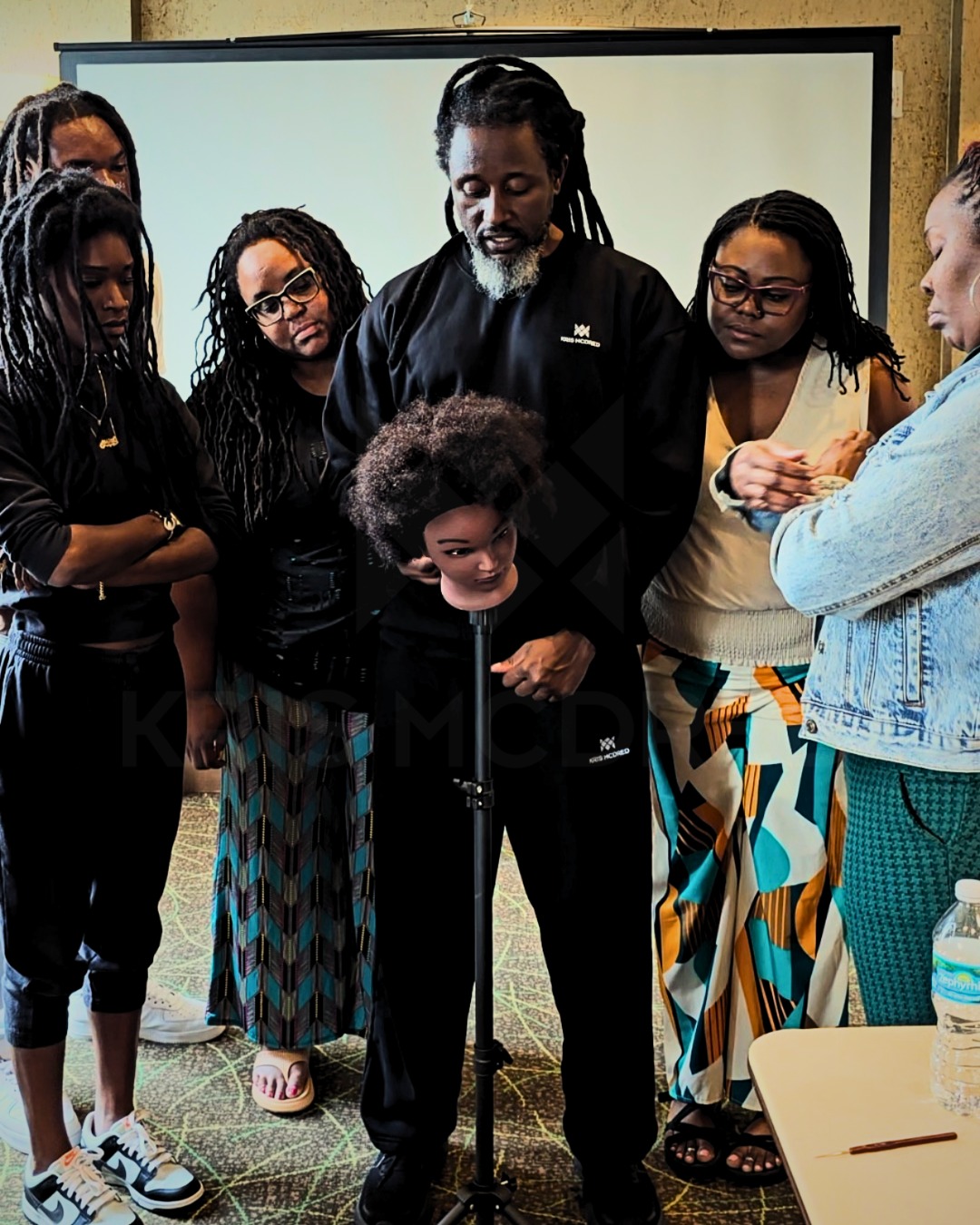
The natural hair movement has grown tremendously over the past decade, and with it, the demand for skilled and knowledgeable locticians has increased. While passion, creativity, and talent are essential, professional certification in the loc industry has become a cornerstone for those who want to excel and stand out. Certification is not just a piece of paper; it signifies mastery, commitment, and credibility, allowing stylists to offer their clients the highest standard of care.
Establishing Credibility with Clients
One of the most immediate benefits of certification is the credibility it provides. Clients today are more informed and discerning than ever before. They want assurance that the stylist they trust with their hair is trained, competent, and capable of providing safe and effective services. A certified loctician demonstrates that they have invested time and effort into learning best practices, proper techniques, and the latest trends in hair care.
For clients, certification provides a sense of security. It reassures them that the stylist understands the science behind hair types, proper maintenance of locs, and the correct methods for installation, maintenance, and styling. This trust often translates into client loyalty, referrals, and long-term business success.
Mastery of Technical Skills
Certification programs in the loc industry are designed to ensure that stylists acquire and master the technical skills necessary to perform services correctly. This includes a thorough understanding of hair structure, scalp health, hygiene, and proper loc maintenance techniques such as interlocking, palm rolling, and crocheting. These programs often cover advanced methods like the one-way street method or instant loc techniques, ensuring that stylists are prepared to handle a wide range of client needs.
Proper training reduces the risk of hair damage, breakage, and scalp irritation—common concerns when locs are installed or maintained incorrectly. A certified loctician is not only proficient but also confident in their abilities, able to assess individual client needs and adapt techniques accordingly.
Knowledge of Hair Science and Safety
Beyond technical skills, certification provides locticians with a foundational understanding of hair science and safety protocols. Stylists learn about different hair textures, porosity levels, and scalp conditions. They are trained to recognize potential issues before they escalate, such as dryness, product buildup, or early signs of alopecia.
Additionally, certified professionals are educated on sanitation practices, infection control, and proper handling of tools. These are crucial not only for the safety of clients but also for building a professional reputation that emphasizes hygiene and care. In a field where word-of-mouth referrals are significant, maintaining safety standards is just as important as delivering beautiful results.
Professionalism and Business Skills
While technical proficiency is critical, certification programs often include elements of business education. This may cover client communication, pricing strategies, appointment scheduling, and brand development. A certified loctician is better equipped to run a successful business and manage client relationships effectively.
For many independent beauty professionals, understanding how to position themselves as experts in the industry can significantly impact their success. Certification acts as a marketing tool, signaling to potential clients that they are working with a trained professional who values quality and standards. This can justify premium pricing and create opportunities for collaborations, workshops, and even teaching.
Staying Current in a Growing Industry
The loc industry is continuously evolving, with new techniques, tools, and products emerging regularly. Certification programs help stylists stay updated with the latest trends and methodologies. This ensures that they can offer clients innovative solutions while maintaining high-quality standards.
For example, modern techniques such as instant locs and pre-made extensions require specific training that is often included in certified courses. Without formal education, stylists may struggle to deliver these services safely and efficiently. Certification ensures that professionals remain relevant and competitive in a rapidly growing market.
Networking and Mentorship Opportunities
Another significant benefit of certification is access to a network of industry professionals. Many programs provide opportunities to connect with mentors, instructors, and fellow locticians. This community can offer guidance, support, and collaboration, helping certified stylists expand their skills and business opportunities.
Mentorship is particularly valuable for new professionals entering the field. Learning from experienced locticians who have established reputations can accelerate growth and help avoid common pitfalls. A strong professional network also opens doors to workshops, teaching opportunities, and industry events, all of which contribute to career longevity.
Boosting Confidence and Credibility
Certification boosts confidence—not just in the eyes of clients, but for the stylist themselves. Knowing that they have completed rigorous training and met industry standards empowers locticians to perform services with pride and authority. This confidence translates into better client interactions, smoother service delivery, and a stronger overall brand.
Moreover, certification adds credibility when pursuing teaching or workshop opportunities. Many aspiring locticians look for certified educators to learn from, as certification acts as a validation of expertise. Industry leaders like certified loctician course have built successful careers in part because of the credibility and trust that come with formal training and certification, inspiring others to follow a similar path.
Differentiating Yourself in a Competitive Market
The beauty industry is competitive, and the loc sector is no exception. While talent is abundant, certification can be the deciding factor that sets one stylist apart from another. Clients are more likely to choose a certified professional over someone without formal credentials, especially when investing in services that require long-term maintenance and care.
Certification demonstrates commitment to the craft. It tells clients that the stylist values professionalism, continuous learning, and ethical practices. In an industry where reputation is everything, having certified status can significantly enhance visibility and client trust.
Long-Term Career Growth
Finally, certification is an investment in long-term career growth. Beyond immediate client interactions, it opens doors to higher-level opportunities such as master classes, training programs, and industry recognition. Certified locticians often find themselves in demand for workshops, speaking engagements, and collaborative projects. This not only increases income potential but also establishes them as thought leaders in the field.
A certified professional can also pursue advanced education or specialized techniques with confidence, knowing that their foundational training is solid. The continuous cycle of learning, certification, and application ensures sustained growth and relevance in the industry.
Conclusion
In the loc industry, passion and creativity are essential, but certification is what separates an enthusiast from a professional. Certification provides credibility, technical mastery, knowledge of hair science, business acumen, and access to valuable networks. It fosters confidence, enhances client trust, and opens doors to long-term career opportunities.
Aspiring locticians should view certification not as an optional credential but as a fundamental step in building a reputable and sustainable career. Leaders in the industry, such as Kris Mcdred, exemplify the value of formal training and certification, demonstrating how professionalism and expertise can elevate both the stylist and the entire field.
Investing in certification is ultimately an investment in quality, trust, and longevity. For locticians looking to make a meaningful impact on clients and the industry, it is a step that cannot be overlooked.