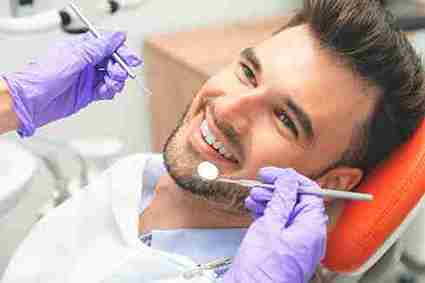
Braces are a powerful tool for achieving a healthy, well-aligned smile, but many patients feel apprehensive about the tightening process. Braces tightening is an essential part of orthodontic treatment, ensuring teeth continue moving into their ideal positions. Understanding what happens during an appointment, how to manage discomfort, and how to prepare beforehand can help make each visit far less stressful. This guide offers expert insights from orthodontic professionals, providing patients with the knowledge and confidence needed to approach tightening appointments calmly and effectively.
Understanding Braces Tightening
Braces tightening, also known as adjustment, is the process where your orthodontist modifies archwires, brackets, or elastic bands to maintain proper tension on your teeth. This gradual pressure encourages teeth to shift into alignment over time, which is crucial for achieving the best results.Adjustments typically occur every 4–8 weeks, depending on the type of braces and the individual treatment plan. During tightening, patients may feel mild pressure or discomfort, which is a normal part of the process.
Table – Key Components Adjusted During Tightening
| Component | Purpose |
| Archwire | Guides teeth movement with controlled pressure |
| Brackets | Anchor points that hold wires in place |
| Elastic bands | Adjust bite and correct alignment |
Regular adjustments are essential to maintain progress, prevent setbacks, and keep the treatment on track for achieving the desired smile.
Why Tightening Appointments Are Necessary
Braces tightening is more than a routine procedure—it is fundamental to the success of your orthodontic journey.
Benefits of Regular Tightening:
- Ensures Consistent Progress: Teeth require steady pressure to move gradually.
- Prevents Delays: Broken brackets or loose wires can be identified and repaired.
- Improves Bite and Alignment: Adjustments guide teeth into the correct positions.
- Enhances Comfort: Correct tension can reduce uneven pressure and irritation.
Regular visits also allow the orthodontist to monitor oral health and address any potential issues promptly, ensuring the treatment progresses efficiently.
What Happens During a Braces Tightening Appointment
Knowing what to expect can ease anxiety and prepare patients for the process. Most tightening appointments follow a standard sequence:
- Oral Examination: The orthodontist inspects teeth alignment, oral hygiene, and the condition of brackets and wires.
- Wire Adjustment: Archwires may be tightened, replaced, or repositioned to maintain proper pressure.
- Elastic Bands: New bands may be applied, or existing ones adjusted to support bite correction.
- Repairs: Broken or loose brackets are fixed to prevent delays in treatment.
- Progress Review: The orthodontist evaluates how teeth are moving and adjusts the treatment plan as needed.
Typical Appointment Duration: 20–40 minutes.
Patient Sensations:
- Mild pressure or soreness immediately following the adjustment.
- Temporary discomfort while chewing.
- Minor irritation to gums or cheeks.
Steps to Expect During an Appointment:
- Oral examination and assessment
- Wire adjustments
- Elastic band application
- Bracket repairs
- Progress review
Understanding these steps helps patients approach appointments with confidence and preparedness.
Managing Discomfort After Tightening
It’s common to experience mild soreness or tenderness after a braces tightening. Fortunately, there are effective ways to manage this discomfort at home.
Tips to Reduce Discomfort:
- Soft Foods: Opt for meals like soups, mashed vegetables, yoghurt, and smoothies for 1–2 days.
- Pain Relief: Over-the-counter medication can help if recommended by your orthodontist.
- Warm Salt Water Rinses: Helps soothe gum irritation.
- Orthodontic Wax: Apply to brackets or wires causing irritation to cheeks or lips.
When to Seek Professional Assistance:
- Pain persisting beyond a few days
- Broken brackets or loose wires
- Severe discomfort while eating or speaking
Consulting an emergency dentist in Blackburn or orthodontist ensures any issues are addressed promptly, keeping treatment on track.

How to Prepare for a Braces Tightening Appointment
Proper preparation can make tightening appointments smoother and more effective. Patients who take proactive steps often experience less stress and more comfort.
Preparation Tips:
- Maintain Oral Hygiene: Brush and floss thoroughly before the appointment.
- Track Issues: Note any discomfort, broken brackets, or problems with elastic bands.
- Prepare Questions: List any concerns for the orthodontist.
- Adjust Diet: Avoid hard, sticky, or sugary foods that may damage braces.
Table – Braces Tightening Preparation Checklist
| Task | Purpose |
| Brush and floss | Prevent plaque and cavities |
| Track discomfort | Inform orthodontist for better care |
| Check elastic bands | Ensure proper application |
| List questions | Address concerns efficiently |
Being organised allows orthodontists to focus on precise adjustments rather than troubleshooting preventable issues.
Expert Tips from Orthodontists
Orthodontists emphasise that attending every scheduled tightening appointment is crucial for treatment success. They also recommend open communication about discomfort or concerns.
Orthodontist Tips for Patients:
- Attend all appointments to maintain progress.
- Use elastics exactly as instructed.
- Maintain excellent oral hygiene.
- Use orthodontic wax or recommended comfort aids.
- Contact your orthodontist Blackburn or emergency dentist for urgent issues.
Additional Tips:
- Be patient; teeth move gradually.
- Follow your orthodontist’s instructions for care.
- Track any unusual pain or changes to discuss at your next visit.
- Support a routine that encourages comfort and compliance.
Following these tips ensures that braces treatment is efficient, comfortable and effective.

Supporting Your Treatment Between Appointments
Proper care doesn’t stop at the clinic. Patients play a vital role in maintaining progress between visits.
At-Home Tips for Success:
- Consistent Oral Hygiene: Brush and floss thoroughly around brackets and wires.
- Monitor Progress: Track any discomfort or changes to report at your next appointment.
- Maintain Diet Guidelines: Avoid foods that can damage braces or exacerbate soreness.
- Ensure Compliance: Encourage consistent use of elastics or other devices.
- Prompt Communication: Reach out to your orthodontist or emergency dentist if urgent issues arise.
These steps complement professional care and help make each tightening appointment more effective and less stressful.
Conclusion
Braces tightening is a critical component of successful orthodontic treatment, ensuring teeth move safely and efficiently into proper alignment. Understanding what happens during an appointment, preparing in advance, and managing discomfort afterward helps patients approach each visit confidently. Active involvement in oral hygiene, elastic compliance, and reporting issues promptly can make the process smoother and more comfortable. With guidance from orthodontic professionals, patients can enjoy a positive treatment experience and achieve the healthy, well-aligned smile they desire. Families in Blackburn can access personalised orthodontic care designed for long-term results and confidence.