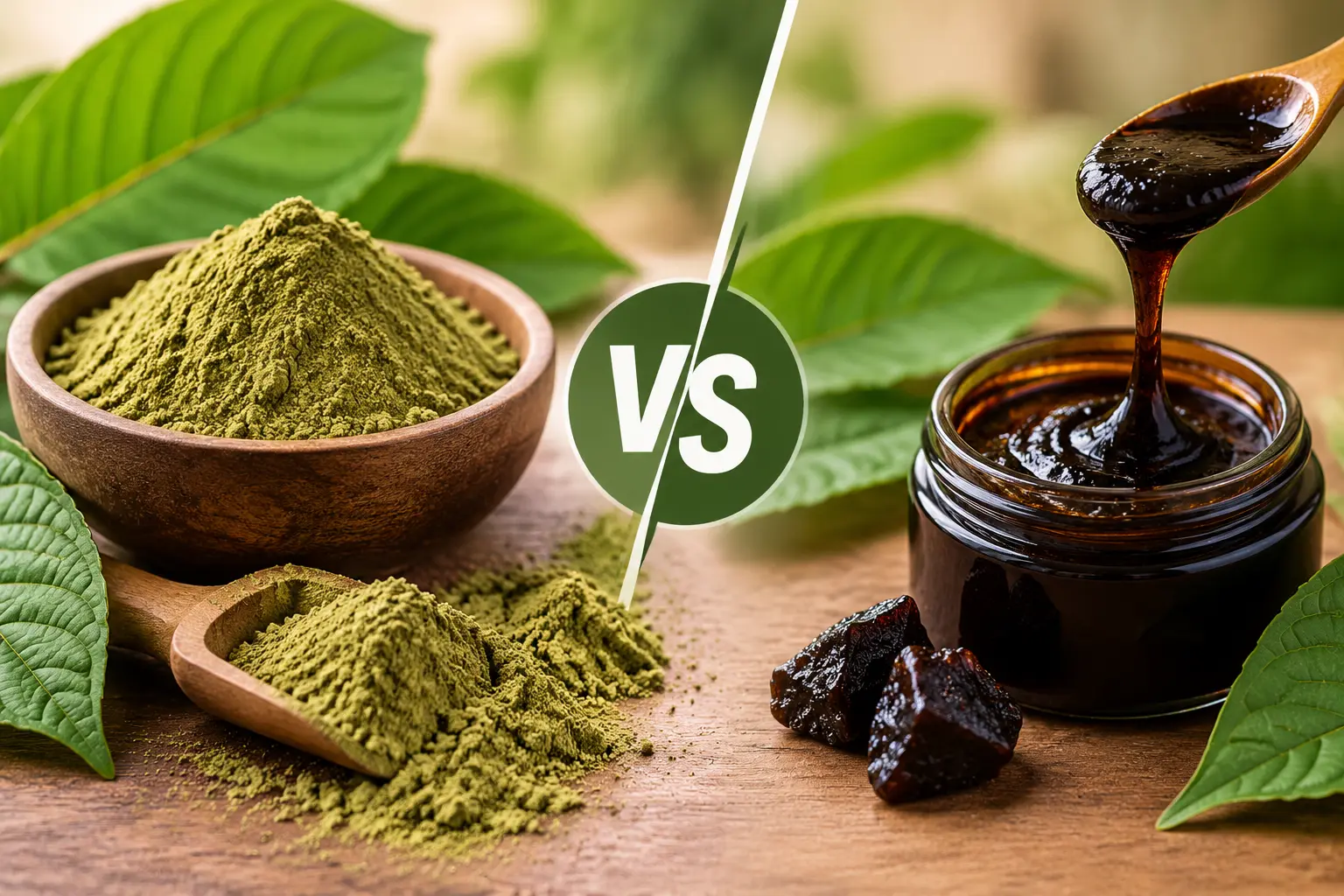
Interest in kratom-related products has expanded as researchers and consumers pay more attention to individual alkaloids found in the kratom plant. One compound receiving considerable attention is 7-hydroxymitragynine, commonly known as 7OH. Products marketed as 7-OH kratom vapes have also become a subject of online discussion because they combine a vaping-style format with a concentrated botanical compound.
Although these products may look similar to conventional disposable vaping devices, their active ingredients and pharmacological properties are different. Understanding what 7OH is, how it interacts with the body, and what potential risks are involved helps readers approach this subject with accurate information.
What Is a 7-OH Kratom Vape?
A 7-OH kratom vape is marketed as a vaping product associated with 7-hydroxymitragynine. This compound naturally occurs in small quantities in Mitragyna speciosa, a tropical evergreen tree commonly called kratom.
Kratom originates in Southeast Asia, where its leaves have a long history of traditional use. The plant contains numerous naturally occurring alkaloids, including mitragynine and 7-hydroxymitragynine.
However, concentrated 7OH formulations differ from traditional kratom leaf preparations. They may contain substantially higher levels of this particular alkaloid, creating a different exposure profile and raising additional safety questions.
Understanding 7-Hydroxymitragynine
7-hydroxymitragynine is one of the pharmacologically active compounds associated with kratom. Although naturally present in relatively small amounts, it has attracted scientific interest because of its strong interaction with mu-opioid receptors.
These receptors are part of the body’s opioid signalling system. They influence several functions, including pain perception, reward processing, and nervous system activity.
This interaction explains why 7OH is often discussed separately from ordinary kratom products. Its opioid-like activity also makes dependence, withdrawal, and other adverse effects important considerations.
How Does 7OH Interact With the Brain?
The brain contains several receptor systems responsible for communication between nerve cells. Mu-opioid receptors play an important role in regulating pain signals and reward-related processes.
When 7OH interacts with these receptors, it influences neurological signalling. This activity can produce opioid-like effects and may affect alertness, mood, and physical sensations.
The brain’s reward system is another important area of interest. Opioid receptor activation can influence dopamine signalling, which is involved in motivation and reinforcement. These mechanisms help explain concerns about repeated exposure and the potential development of dependence.
Researchers continue investigating the compound’s pharmacological characteristics and its effects on the human nervous system.
How Are 7OH Vape Products Different From Traditional Kratom?
Traditional kratom products generally come from the leaves of Mitragyna speciosa. These preparations contain a mixture of alkaloids, with mitragynine typically being the most abundant.
Concentrated 7OH formulations are different because they contain higher levels of one particular compound.
There is also an important difference in the method of exposure. Traditional kratom preparations are generally consumed orally, whereas products marketed as 7OH vapes are presented as inhalable formulations.
The safety of inhaling concentrated 7OH has not been adequately established through human research. Therefore, information about traditional kratom cannot automatically be applied to vaping formulations.
Understanding the Advertised Features of 7OH Vapes
Products marketed in the 7OH vaping category may feature different device designs, packaging styles, and flavour descriptions.
Some product listings mention rechargeable batteries, USB-C charging, compact construction, and heating components. However, these specifications depend on the individual manufacturer and product.
It is important to distinguish between device characteristics and the safety of the active formulation. A rechargeable battery or modern heating system does not establish that the ingredients are suitable for inhalation.
Similarly, flavour descriptions and attractive packaging cannot demonstrate chemical purity or product quality.
When researching these products, ingredient transparency and independently verified laboratory information are more meaningful than promotional descriptions. Even laboratory testing, however, cannot establish that inhaling 7OH is safe.
Potential Effects and Side Effects of 7OH
Because 7-hydroxymitragynine interacts with opioid receptors, exposure can produce several effects involving the central nervous system.
Potential adverse effects include:
- Nausea and vomiting.
- Dizziness and lightheadedness.
- Drowsiness and sedation.
- Reduced alertness.
- Constipation.
- Physical dependence following repeated exposure.
Individual responses can vary depending on several factors, including the formulation and other substances involved.
One particularly serious concern is respiratory depression. This condition occurs when breathing becomes dangerously slow or ineffective. Severe respiratory depression can result in inadequate oxygen supply and may become life-threatening.
Tolerance, Dependence, and Withdrawal
Repeated exposure to opioid-like compounds can cause the nervous system to adapt. One possible consequence is tolerance, where the body becomes less responsive to the same level of exposure.
Physical dependence is another concern. When the nervous system adapts to repeated exposure, stopping the substance may produce withdrawal symptoms.
Possible withdrawal symptoms include:
- Anxiety and irritability.
- Muscle aches and discomfort.
- Restlessness.
- Sweating.
- Sleep disturbances.
- Gastrointestinal discomfort.
These symptoms can affect daily functioning and make stopping difficult. Anyone experiencing significant withdrawal symptoms should seek professional medical support.
Important Drug Interaction Concerns
Combining 7OH with other substances can increase health risks. Particular concern exists around substances that also depress the central nervous system.
Alcohol, benzodiazepines, prescription opioids, and certain sedating medications may increase drowsiness and respiratory depression when combined with opioid-like compounds.
These interactions can become dangerous, especially when the substances affect breathing through overlapping mechanisms.
Anyone experiencing severe breathing difficulties, extreme drowsiness, or unresponsiveness after exposure should receive emergency medical attention.
Is 7-OH Kratom Vape Safe?
The safety of concentrated 7OH vaping products remains an important unanswered question.
Although researchers have investigated the pharmacological properties of 7-hydroxymitragynine, there is insufficient human evidence establishing the long-term safety of inhaling concentrated formulations.
Several concerns deserve attention:
Unknown inhalation effects: The respiratory consequences of inhaling these formulations have not been adequately studied.
Concentration differences: Products may vary considerably in their chemical composition and 7OH content.
Dependence potential: Its interaction with opioid receptors raises concerns about tolerance and physical dependence.
Product transparency: Marketing descriptions do not necessarily provide independently verified information about ingredients or manufacturing quality.
These limitations make it inappropriate to describe concentrated 7OH vapes as safe alternatives to conventional products.
Final Thoughts
7-OH kratom vape products represent a developing category associated with concentrated botanical alkaloids. Their connection to Mitragyna speciosa, interaction with mu-opioid receptors, and distinctive vaping-style presentation have attracted considerable attention.
However, their potential for dependence, respiratory complications, and uncertain inhalation safety should not be overlooked. Understanding the difference between traditional kratom and concentrated 7OH formulations is particularly important when evaluating product information.