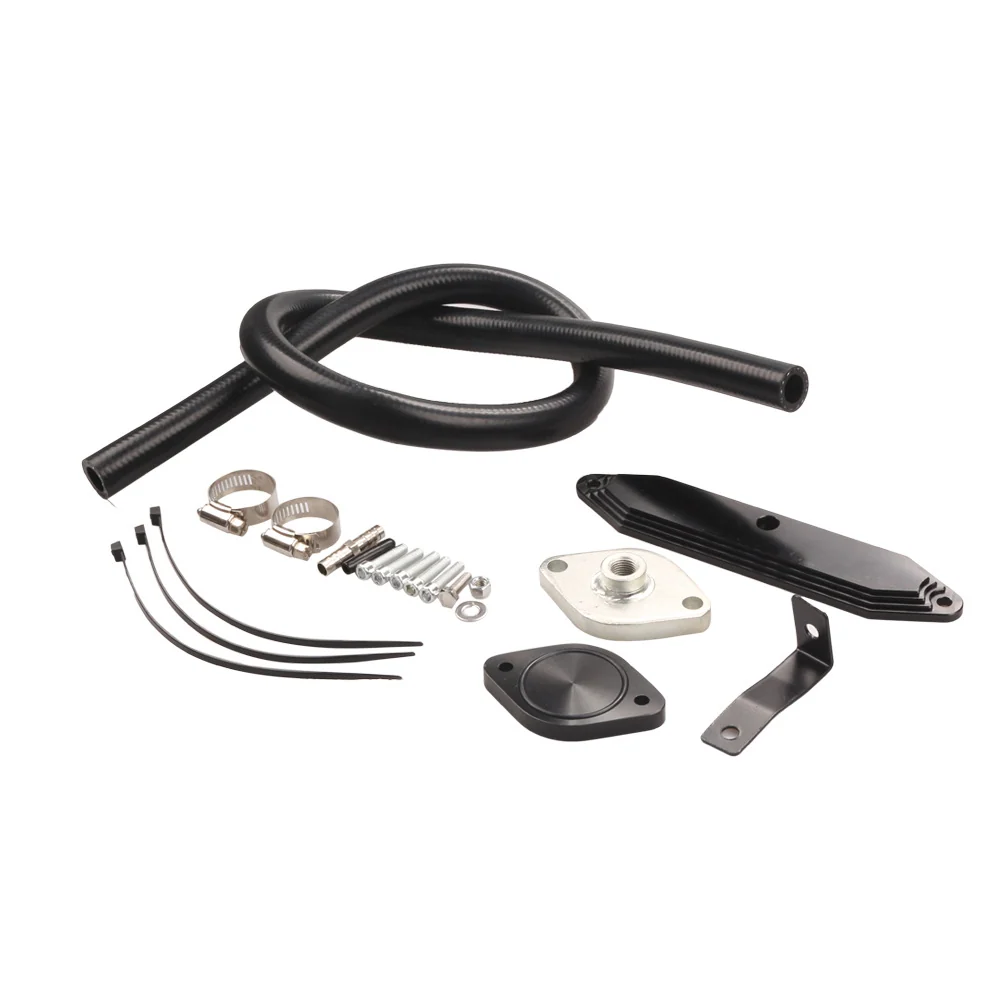
Choosing the right components for a diesel truck requires careful research, particularly when the vehicle has a modern engine management system and complex emissions equipment. Ford owners researching 6.7L Powerstroke Deletes should understand how engine generation, factory configurations, software requirements, and local regulations affect component compatibility. Although aftermarket products may be marketed for several model years, that does not automatically mean every option will work correctly with every truck. Understanding these differences helps owners make informed maintenance and performance decisions while protecting engine reliability and avoiding unnecessary expenses.
Understanding the 6.7L Powerstroke Engine
Ford introduced the 6.7-liter Powerstroke diesel engine for its Super Duty truck lineup in 2011. Since then, the engine has received several updates involving fuel delivery, turbocharger design, electronic controls, and internal components. These changes are important because a part developed for an early engine may not match the specifications of a later version.
When researching aftermarket components, owners should begin by identifying the truck’s model year, engine configuration, and original equipment specifications. The vehicle identification number can help confirm essential details. Consulting the owner’s manual and manufacturer documentation provides additional information about the installed systems and recommended service procedures.
Why Model Year Compatibility Matters
Model year is one of the first factors to consider when evaluating diesel engine components. Manufacturers may revise connectors, mounting points, sensors, and control modules as engine designs evolve. Even when two trucks share the same displacement, their supporting systems may differ considerably.
For example, changes introduced during later production years can affect electronic communication and calibration requirements. A component advertised for a broad range of model years may therefore require additional verification before purchase. Owners should look for explicit compatibility information rather than relying on general product descriptions. Checking the exact engine generation and factory configuration can also prevent installation problems. When product documentation is unclear, contacting the manufacturer with the truck’s model year and relevant specifications is a practical way to obtain a reliable answer.
Evaluating Hardware and Installation Requirements
Physical fitment is another important consideration when comparing aftermarket diesel components. Dimensions, mounting locations, connection types, and material specifications can influence whether a part fits the intended application. A component that appears similar to the original equipment may still require different fittings or supporting hardware.
Installation requirements should be reviewed before purchasing any performance-related product. Owners should determine whether the work requires specialized tools, professional installation, or additional diagnostic procedures. They should also check whether the manufacturer’s instructions identify specific engine configurations or vehicle equipment that affect suitability. Professional assessment is particularly valuable when a modification could affect exhaust systems, engine controls, or other regulated vehicle equipment. Qualified technicians can identify potential conflicts and explain the implications for safe operation, maintenance, and compliance.
Understanding Electronic Controls and Software
Modern Powerstroke engines depend on electronic control modules to manage fuel injection, turbocharger operation, emissions equipment, and engine protection functions. These systems work together, so changes to one component can influence the behavior of other systems.
Before selecting an electronic accessory or performance component, owners should confirm its compatibility with the truck’s existing software and hardware. Product documentation should clearly identify supported model years, required updates, and any limitations. Unverified software changes can cause diagnostic faults, unexpected operating behavior, or problems during servicing. It is also important to distinguish between ordinary diagnostic tools and products that alter factory engine calibration. Owners should prioritize manufacturer-approved service procedures and solutions that preserve required emissions controls. A qualified diesel technician can help determine whether a proposed product is suitable for the vehicle’s intended use.
Emissions Equipment and Legal Considerations
Emissions regulations are an essential part of any discussion involving diesel modifications. Components that remove, disable, or bypass factory emissions controls may be prohibited on vehicles used on public roads. Requirements vary by jurisdiction, and owners should verify the rules that apply to their location before making changes.
In the United States, federal and state requirements can restrict tampering with emissions-control systems. Such modifications may also affect inspection eligibility, warranty coverage, resale value, and the ability to register or operate a vehicle legally. Researching 6.7L Powerstroke Deletes should therefore include a careful review of applicable laws and the potential consequences of removing required equipment. Maintaining compliant factory systems and choosing approved replacement components can help owners avoid preventable legal and mechanical complications.
How to Research Products Before Buying
A careful purchasing process begins with reliable documentation. Owners should compare the manufacturer’s specifications with the truck’s original configuration and confirm that the product is intended for the exact application. Clear installation instructions, warranty information, technical support, and a stated model-year range are useful indicators of a well-documented product.
Customer reviews may provide helpful information about fitment and installation experiences, but they should not replace official compatibility guidance. Reviews can describe different vehicle configurations, and an apparently successful installation on one truck does not guarantee the same result on another. It is equally important to consider long-term maintenance. Replacement parts should meet appropriate quality standards, and any work affecting engine operation should be evaluated by a qualified professional. Keeping service records and retaining original components when appropriate can make future troubleshooting easier.
Working With a Qualified Diesel Specialist
Experienced diesel technicians can help owners interpret product specifications, identify engine variations, and understand potential installation challenges. They can also inspect the vehicle for existing faults before recommending maintenance or compatible replacement components.
A professional consultation is especially useful when a truck has already received aftermarket modifications. Previous changes may affect wiring, calibration, or component fitment, making assumptions based solely on model year less reliable. A complete assessment helps establish the vehicle’s current condition and identify a suitable, compliant service approach. Owners should ask direct questions about compatibility, warranty implications, installation costs, and legal requirements. Clear answers from a knowledgeable specialist can reduce uncertainty and help prevent purchases that do not meet the truck’s actual needs.
Conclusion
Selecting compatible components for a Ford 6.7-liter Powerstroke requires more than checking a product title or advertised model-year range. Engine generation, hardware specifications, electronic controls, installation requirements, and emissions regulations all deserve attention. By verifying documentation and consulting qualified professionals, owners can make better-informed decisions about maintaining their trucks. Careful research supports dependable operation, helps manage long-term ownership costs, and reduces the risk of compatibility problems or noncompliant modifications.