
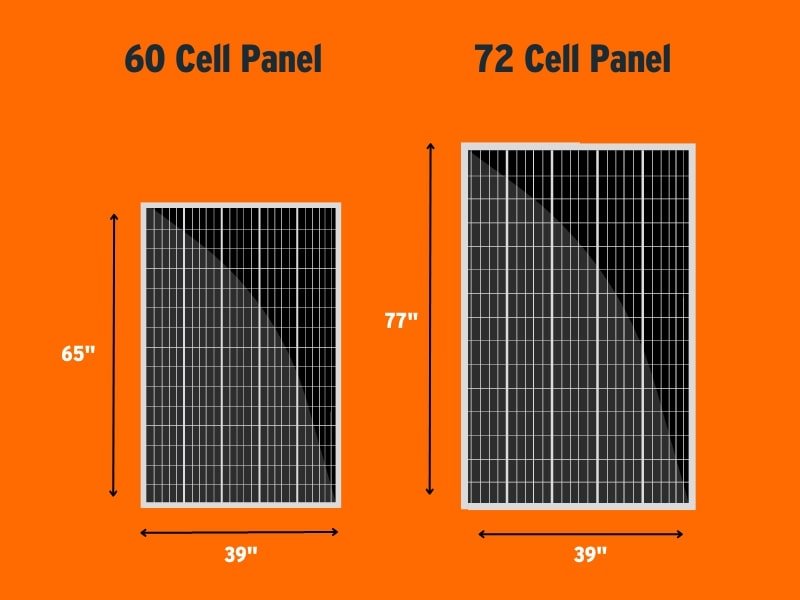
As the demand for renewable energy grows, many homeowners are considering solar energy as an alternative source to power their homes. The cost of solar panel installation can vary based on a multitude of factors, but there are several hidden charges that can significantly inflate this cost. Understanding these potential fees can help you make informed decisions about your solar investment. This article will explore the various hidden costs associated with the installation of solar panels and how you can navigate them effectively.
More information about the subject and the offer
Solar energy is becoming increasingly popular due to its numerous environmental and financial benefits. However, the initial cost of solar panel installation can be a concern for many homeowners. From equipment to labor, there are various factors that contribute to the overall cost of solar panel installation. It’s essential to fully understand what you’re paying for beyond just the panels themselves. Several hidden charges often come into play that can raise your final bill, making it crucial for consumers to be informed and prepared.
Features and benefits of adopting solar panels
- Environmental Impact: Solar panels significantly reduce your carbon footprint and promote sustainable living.
- Energy Independence: By generating your own energy, you become less reliant on traditional power grids.
- Long-term Savings: After the initial investment, solar energy can drastically lower your monthly utility bills.
- Tax Incentives: Many regions offer tax credits and rebates for solar panel installations, making them more affordable.
- Increased Property Value: Homes equipped with solar panels typically have higher property values, appealing to prospective buyers.
Top 5 hidden charges affecting cost of solar panel installation
1. Permit Fees
Local governments often require permits for solar panel installations, which can add a few hundred rupees to the overall cost.
2. Inspection Costs
After installation, inspections are necessary to ensure compliance with building codes. This can incur additional fees.
3. Interconnection Fees
If you plan to connect your solar system to the grid, utility companies may charge fees for this process.
4. Maintenance Fees
Regular maintenance is required to keep your solar panels operating at peak efficiency; these costs can accumulate over time.
5. Inverter Replacement
Inverters, vital components of solar power systems, often need replacing several times throughout the lifespan of the system, leading to added costs.
Buying guide for solar panel installation
- Assess Your Energy Needs: Analyze your current energy consumption to determine the appropriate solar panel size for your home.
- Get Multiple Quotes: To ensure a fair price, gather estimates from several solar installation companies.
- Research Local Incentives: Investigate available tax credits, rebates, and other financial incentives from the government.
- Consider Quality Over Price: Opt for reputable brands known for reliability, rather than choosing a system solely based on initial cost.
- Understand the Warranty: Check the warranty periods for both the solar panels and the inverter to gauge your long-term investment.
Benefits of buying through Bajaj Finance’s financing options
1. Easy EMIs
Bajaj Finance offers various easy EMI plans, allowing you to divide your solar panel installation cost into manageable monthly installments. This eases your immediate financial burden, making solar energy accessible to more homeowners.
2. Zero down payment
Many financing options come with zero down payment, allowing you to install solar panels without upfront costs. This feature is particularly beneficial for those on a tight budget and eager to invest in solar energy.
3. Flexible tenure of repaying 1 month to 60 months
Bajaj Finance offers a flexible tenure for repayment. Whether you want to pay off your balance quickly or prefer longer terms, you can customize the repayment period according to your financial plan.
How to buy solar panels using the Bajaj Finance EMI Network Card
1. Visit a Bajaj Finance Partner Store
Locate a partner store nearby where you can browse through various solar panel options.
2. Choose your preferred brand and model
Identify the brand and model that best meets your energy needs and budget.
3. Select a suitable easy EMI plan
Discuss available easy EMI options with store representatives to find a plan that fits your financial circumstances.
4. Complete your purchase using the EMI Network Card
Use your Bajaj Finance EMI Network Card to finalize the transaction, allowing you to enjoy your new solar panels without financial strain.
Conclusion
Investing in solar energy is not just an environmentally-conscious choice; it’s also a financially savvy move that can lead to long-term savings. However, understanding the cost of solar panel installation is critical, especially when considering the hidden charges that can creep into your final bill. By arming yourself with knowledge and exploring financing options like those offered by Bajaj Finance, you can ensure that your transition to solar energy is as smooth as possible. With careful planning, you can not only harness the power of the sun but also navigate the complexities of installation costs, paving the way for a sustainable future.