
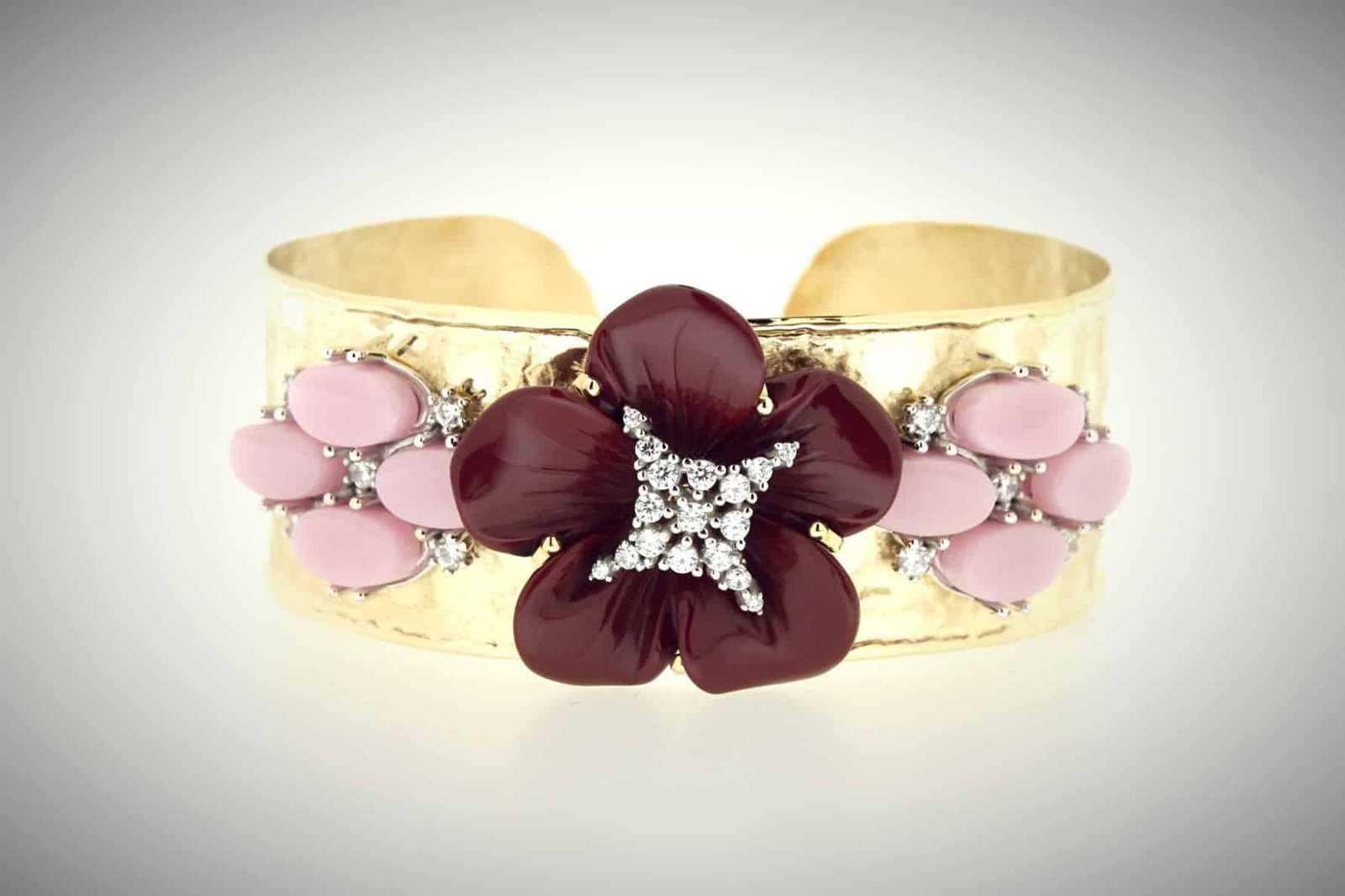
Gold has maintained its importance in jewellery markets because of its beauty, durability, rarity, and lasting appeal. In Nigeria, gold jewellery is valued for personal use, traditional celebrations, weddings, gifting, and special occasions. However, purchasing gold requires more than choosing an attractive design. Buyers should understand its purity, market value, hallmarks, and authenticity to make informed decisions.
Among the different gold purity options, 18-karat gold is a popular choice because it combines a high percentage of pure gold with additional metals that improve its strength. It offers an appealing balance between precious metal content and practical jewellery use. Whether someone is purchasing a gold ring, necklace, bracelet, or earrings, understanding the characteristics of 18-karat gold can help them evaluate the quality of their purchase.
For individuals exploring 18 karat gold Nigeria, learning how to recognise genuine gold and understand its market value is particularly important. Goldy encourages informed jewellery selection by helping buyers appreciate the relationship between gold purity, craftsmanship, authenticity, and overall value.
Understanding the Meaning of 18 Karat Gold
Gold purity is measured using the karat system, which indicates the proportion of pure gold present in a particular item. Pure gold is classified as 24 karats, while 18-karat gold contains 18 parts pure gold out of 24 total parts.
This means that 18-karat gold contains 75% pure gold and 25% other metals. These additional metals are known as alloys and may include copper, silver, zinc, or other materials.
The purpose of combining gold with other metals is to improve its physical properties. Pure gold is relatively soft, which makes it more susceptible to scratches and changes in shape. Adding suitable alloys helps create a stronger material that is more practical for jewellery manufacturing.
Understanding this composition is essential when researching 18 karat gold Nigeria because it helps buyers distinguish between different gold purity levels.
An 18-karat jewellery item is not gold-plated simply because it contains additional metals. When it is genuine solid 18-karat gold, the gold alloy throughout the piece contains the specified proportion of pure gold.
Why 18 Karat Gold Holds Value
The value of 18-karat gold comes from its substantial pure gold content, attractive appearance, and versatility. Since it contains 75% gold, its underlying material value is connected to the international gold market.
However, the overall value of jewellery depends on several characteristics beyond purity. Weight, craftsmanship, design, condition, and additional decorative materials can all influence its retail price.
One of the main advantages of 18-karat gold is that it offers a higher gold content than 14-karat jewellery while providing greater strength than 24-karat gold for many jewellery applications.
Its versatility also makes it suitable for different designs. Manufacturers use 18-karat gold to create traditional yellow gold pieces, modern white gold jewellery, and warm rose gold accessories.
For buyers, understanding these characteristics makes it easier to evaluate whether a particular piece meets their expectations.
Understanding Gold Hallmarks and Their Importance
A hallmark is a marking placed on a precious metal item to communicate information about its composition, purity, or manufacturer. Hallmarks are important because they help buyers identify the claimed gold content of jewellery.
For 18-karat gold, one of the most commonly recognised purity markings is 750. This number represents 750 parts of gold per 1,000 parts of the alloy, equivalent to 75% pure gold.
The following markings are commonly associated with different gold purities:
- 999: Approximately 99.9% pure gold, commonly associated with 24-karat gold.
- 916: Approximately 91.6% pure gold, commonly associated with 22-karat gold.
- 750: 75% pure gold, associated with 18-karat gold.
- 585: Approximately 58.5% pure gold, associated with 14-karat gold.
- 375: 37.5% pure gold, associated with 9-karat gold.
These numbers make it easier to compare jewellery products and understand their stated gold content.
However, buyers should remember that a purity stamp alone does not guarantee authenticity. Some markings can be copied or incorrectly applied. Therefore, additional verification may be necessary, particularly when purchasing expensive jewellery.
How to Identify Genuine 18 Karat Gold
Identifying genuine gold requires attention to product details and reliable verification methods. Although certain physical characteristics can provide clues, visual inspection alone cannot establish the exact purity of a jewellery item.
Buyers should consider several important checks before completing a purchase.
Check the Purity Marking
Look for an 18K or 750 marking on the jewellery. Depending on the design, it may appear inside a ring, on a necklace clasp, or on another discreet area.
The marking provides information about the stated gold purity, but it should be supported by reliable documentation or testing.
Ask for Product Documentation
A trustworthy seller should be able to explain the product’s composition, weight, and other relevant specifications. Requesting a written receipt is also useful because it provides a record of the purchase.
Examine the Jewellery Carefully
Look at the overall construction, finishing, and quality of the piece. Poor finishing, inconsistent colour, or visible surface wear may justify further examination, although these characteristics do not independently prove whether gold is genuine.
Consider Professional Testing
Professional gold testing can help establish the actual purity of a jewellery item. Depending on the circumstances, testing methods may include X-ray fluorescence analysis or other appropriate assay techniques.
For higher-value purchases, independent verification can provide additional confidence.
Understanding the Gold 18 Carat Price in Nigeria
The price of gold jewellery is influenced by international market conditions, currency movements, gold purity, weight, and manufacturing expenses. These factors are particularly important for buyers who want to compare products and understand how their final purchase price is calculated.
The Gold 18 carat price in Nigeria is connected to the international price of pure gold because 18-karat gold contains 75% pure gold.
To understand the basic material value, buyers should consider the following calculation:
18-karat gold content = Total gold alloy weight × 75%
For example, a jewellery item weighing 10 grams and made entirely from genuine 18-karat gold contains approximately 7.5 grams of pure gold.
This calculation helps explain why two jewellery pieces with different weights may have different material values, even when both have the same purity.
However, the retail price may also include:
- Jewellery manufacturing and craftsmanship charges.
- Design complexity and finishing costs.
- Retailer margins.
- Precious stones or other decorative materials.
- Transportation and other business expenses.
Therefore, the Gold 18 carat price in Nigeria should not be evaluated using gold weight alone. Buyers should understand the complete price breakdown before making a decision.
Factors That Influence Gold Prices in Nigeria
Gold prices can change because of developments in international financial markets and local economic conditions. Understanding these influences helps buyers recognise why jewellery prices may differ between sellers and purchasing periods.
International Gold Market Movements
Gold is traded internationally, and changes in global demand, economic uncertainty, investment activity, and central bank purchasing can influence its market value.
When international gold prices increase, the underlying material cost of gold jewellery may also rise.
Nigerian Naira Exchange Rates
Gold is commonly priced in international markets using US dollars. Consequently, changes in the exchange rate between the US dollar and Nigerian naira can influence local gold prices.
Even when international gold prices remain relatively stable, currency movements may affect the amount buyers pay in Nigeria.
Gold Purity and Weight
Higher-purity gold contains a greater proportion of pure gold. Similarly, heavier jewellery generally requires more gold material.
These two factors are important when comparing products with different specifications.
Manufacturing and Design Expenses
Detailed jewellery designs may require additional labour, specialised tools, and finishing techniques. These expenses can increase the retail price beyond the basic value of the gold.
The Difference Between a Purity Stamp and a Certified Hallmark
Understanding the difference between a purity stamp and a certified hallmark is essential when evaluating gold authenticity.
A purity stamp, such as 750, generally communicates the manufacturer’s or seller’s claim about the gold content. However, a stamp does not automatically establish that an independent authority has tested and certified the item.
A formal hallmarking system may involve examination by an authorised assaying organisation. Depending on the country, the hallmark may include several identification marks.
These can include:
- A purity or fineness mark.
- An assay office identification mark.
- A manufacturer’s or jeweller’s identification mark.
- An official certification symbol.
Hallmarking requirements differ between countries. Therefore, buyers in Nigeria should understand the origin of the jewellery and the certification system associated with it.
For imported jewellery, the presence of recognised foreign assay markings and supporting documentation can provide useful information about its origin and claimed purity.
It is important not to assume that every 750 stamp represents independently certified gold. Verification should always match the relevant country’s hallmarking system.
How Gold Authenticity Testing Works
Professional gold testing provides a more reliable way to examine the composition of a jewellery item. Different methods are available, and the appropriate option depends on the item’s design, value, and testing requirements.
X-Ray Fluorescence Testing
X-ray fluorescence, commonly known as XRF testing, is a method used to analyse the elemental composition of metals. It can provide information about the gold and alloy metals present in a jewellery item.
One advantage is that it can usually be performed without damaging the jewellery. However, surface testing may not always reveal differences between the outer layer and the internal composition of an item.
Electronic Gold Testing
Electronic testing devices can help assess the gold content of jewellery. Their accuracy depends on the equipment, testing procedure, and the type of metal being examined.
Professional Assay Testing
Assay testing can provide more detailed information about precious metal composition. Some methods may require a small sample or involve procedures that can affect the jewellery.
For valuable purchases, buyers should choose an appropriate testing method and use a qualified professional.
How to Recognise Gold-Plated Jewellery
One common source of confusion in the jewellery market is the difference between solid gold and gold-plated products.
Solid 18-karat gold contains 75% pure gold throughout its gold alloy. Gold-plated jewellery generally consists of a different base metal covered with a thin layer of gold.
Although both products may initially look similar, their material composition and long-term value are significantly different.
Gold-plated items can gradually lose their surface coating through friction, regular use, moisture, and exposure to certain chemicals.
Before purchasing jewellery advertised as 18-karat gold, buyers should ask whether the item is solid gold or plated.
It is also important to examine product descriptions carefully. Terms such as gold-tone, gold-filled, gold-plated, and solid gold describe different types of products and should not be treated as interchangeable.
Comparing 18 Karat Gold with Other Gold Purities
Different gold purities offer different characteristics. Understanding these differences can help buyers choose jewellery according to their preferences and intended use.
18 Karat Gold
Containing 75% pure gold, 18-karat gold provides a combination of gold content, appearance, and durability. It is commonly used for rings, bracelets, necklaces, and earrings.
22 Karat Gold
22-karat gold contains approximately 91.6% pure gold. Its higher gold content gives it a richer traditional appearance, although it is generally softer than 18-karat gold.
24 Karat Gold
24-karat gold is approximately 99.9% pure gold. It is highly valued for its purity but is relatively soft for jewellery that experiences frequent physical contact.
The right selection depends on the buyer’s priorities. Someone who values higher gold content may prefer 22-karat gold, while someone looking for a balance between purity and practical jewellery construction may consider 18-karat gold.
Why Weight and Craftsmanship Matter When Evaluating Gold
Gold weight is one of the most important factors affecting the material value of jewellery. However, the total weight of a finished piece does not always represent its actual gold weight.
For example, jewellery containing gemstones, decorative settings, or non-gold components may have a total weight that includes several different materials.
Buyers should ask for clear information about the gold weight and any additional components.
Craftsmanship is another important consideration. Well-designed jewellery should have properly secured connections, smooth edges, balanced proportions, and carefully finished surfaces.
For rings, inspect the band and stone settings. For necklaces and bracelets, examine the links, clasps, and connecting sections. For earrings, check the fastening mechanism and overall construction.
A well-crafted item can offer greater comfort, functionality, and lasting visual appeal.
What Buyers Should Consider Before Purchasing 18 Karat Gold
Before purchasing gold jewellery, it is useful to review several important details. Taking time to compare products can reduce misunderstandings and help buyers select jewellery that matches their expectations.
Consider the following points:
- Purity: Confirm whether the jewellery is genuine 18-karat gold.
- Hallmarks: Examine the 750 or 18K marking and request supporting verification.
- Weight: Ask for the exact gold weight rather than relying only on total product weight.
- Price: Understand the material value, workmanship charges, and additional expenses.
- Authenticity: Request documentation and consider independent testing.
- Craftsmanship: Inspect the finishing, structure, and quality of the jewellery.
- Seller Transparency: Choose a seller who provides clear product information.
- Purchase Records: Keep receipts and available authenticity documents for future reference.
These considerations are useful for both first-time buyers and individuals who regularly purchase precious metal jewellery.
The Importance of Choosing a Reliable Gold Jewellery Seller
Selecting the right seller is an important part of purchasing genuine gold. Even when buyers understand purity and pricing, they still need reliable product information to make a confident decision.
A professional jewellery seller should be able to explain the gold composition, available designs, weight, and pricing structure. Customers should also be able to ask questions about authenticity and request appropriate purchase documentation.
Goldy places importance on the value of informed jewellery selection. Understanding the characteristics of gold allows customers to appreciate the quality, craftsmanship, and material composition behind different jewellery pieces.
Whether selecting a simple accessory or a more elaborate design, buyers should prioritise transparency and clear product information.
How to Maintain the Quality of 18 Karat Gold Jewellery
Proper maintenance can help preserve the appearance and condition of gold jewellery. Although 18-karat gold is stronger than pure gold in many applications, it can still develop scratches and signs of wear.
A few simple care practices can help maintain its appearance.
Clean Jewellery Gently
Use a soft cloth and an appropriate gentle cleaning method. Avoid harsh chemicals or abrasive materials that may damage the finish or gemstones.
Store Jewellery Separately
Keep different jewellery pieces in individual compartments or soft pouches. This can help prevent scratching, tangling, and unnecessary friction.
Avoid Contact with Harsh Products
Remove jewellery before using household cleaning chemicals or products that may affect its surface or decorative components.
Inspect Clasps and Settings
Regularly check necklace clasps, bracelet connections, and gemstone settings to identify signs of loosening or damage.
Arrange Professional Maintenance
Delicate or valuable jewellery may benefit from occasional professional inspection and cleaning.
With suitable care, 18-karat gold jewellery can remain attractive and suitable for long-term personal use.
Common Misconceptions About Gold Authenticity
Several misconceptions can create confusion when purchasing gold. Understanding the facts can help buyers avoid relying on misleading assumptions.
A Yellow Colour Always Means Genuine Gold
False. Different metals and plated materials can have a similar appearance to genuine gold. Purity needs appropriate verification.
A 750 Stamp Guarantees Authenticity
Not necessarily. The marking indicates a stated fineness of 75%, but the stamp itself can be copied or misrepresented.
All 18-Karat Gold Has the Same Colour
False. The colour depends on the additional metals used in the alloy. Yellow, white, and rose gold can all be manufactured in 18-karat purity.
Heavier Jewellery Is Always More Valuable
Not automatically. Buyers should consider actual gold weight, purity, workmanship, and the materials used in the product.
Gold Jewellery Always Resells at Its Original Purchase Price
False. Resale value can be affected by current gold prices, condition, deductions, and the difference between retail costs and material value.
Understanding these points helps customers evaluate gold more carefully.
Conclusion
Understanding gold value, hallmarks, and authenticity is essential when purchasing precious metal jewellery. 18-karat gold contains 75% pure gold, making it an appealing option for buyers who want a combination of substantial gold content, attractive appearance, and practical durability.
For anyone researching 18 karat gold Nigeria, checking purity markings, examining craftsmanship, requesting documentation, and considering professional testing are important steps towards making an informed purchase.
The Gold 18 carat price in Nigeria also depends on several factors, including international gold rates, exchange rates, purity, weight, and manufacturing expenses. Understanding these influences helps buyers compare jewellery more accurately and recognise the elements that contribute to its overall value.
Goldy encourages customers to approach jewellery selection with an understanding of quality, authenticity, and craftsmanship. By paying attention to these essential details, buyers can choose gold jewellery that reflects their personal preferences while appreciating the value of the precious metal behind each piece.