Cosmetic treatments have become a popular option for individuals who want to refresh their appearance, reduce visible signs of ageing, and enhance their natural facial features. From softening fine lines to restoring lost facial volume, injectable procedures offer several ways to address common aesthetic concerns. However, choosing the right treatment requires careful consideration, research, and professional guidance.
Before deciding on Cosmetic injectables, individuals should understand how different treatments work, what results they can realistically expect, and what potential risks may be involved. Asking the right questions during a consultation can help people make informed decisions, understand their treatment options, and feel more confident about their choices. Here are ten important questions worth asking before proceeding with an injectable treatment.
1. What Type of Cosmetic Injectable Is Most Suitable for the Concern?
One of the first questions individuals should ask is which injectable treatment is appropriate for their specific aesthetic concern. Not all injectables work in the same way, and selecting the correct option is essential for achieving suitable results.
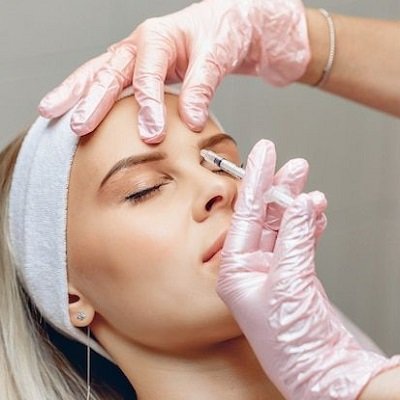
Anti-wrinkle injections are commonly used to temporarily relax selected facial muscles and soften expression lines. They may help improve the appearance of forehead wrinkles, frown lines, and crow’s feet.
Dermal fillers serve a different purpose. Many contain hyaluronic acid, which helps restore volume, improve facial contours, and soften certain facial folds. They may be considered for areas such as the cheeks, lips, chin, and selected under-eye hollows.
Other injectable treatments may focus on improving skin hydration or overall skin quality.
A qualified medical professional should assess the individual’s facial structure, skin condition, and treatment goals before recommending an option. This helps avoid choosing a procedure simply because it is popular or widely advertised.
2. Am I a Suitable Candidate for Injectable Treatments?
Not everyone is an appropriate candidate for cosmetic injections. Although these procedures are commonly performed, individual health conditions and medical circumstances can influence treatment suitability.
During a consultation, individuals should ask whether their medical history, skin condition, and personal circumstances allow them to undergo the proposed procedure.
Factors that may affect suitability include:
- Existing medical conditions.
- Known allergies or previous reactions.
- Current prescription medications.
- Previous cosmetic procedures.
- Active skin infections or inflammation.
- Pregnancy or breastfeeding.
- Individual healing and recovery considerations.
For example, someone with an active infection around the intended treatment area may need to postpone the procedure. Certain medications or medical conditions may also require additional assessment.
A responsible professional should explain whether treatment is suitable, whether any precautions are necessary, and whether alternative options would be safer.
3. What Results Can I Realistically Expect?
Understanding the expected outcome is another essential part of choosing an injectable treatment. Many individuals discover cosmetic procedures through advertisements or social media photographs, but these images may not accurately represent typical results.
Injectables can improve selected facial concerns, but they cannot completely stop ageing or guarantee a perfect appearance.
For example, anti-wrinkle injections may soften expression lines, while dermal fillers may improve selected areas of volume loss. Neither treatment can address every skin concern or replace procedures designed for significant skin laxity.
Individuals should ask:
- How much improvement is realistically possible?
- Will the results look subtle or noticeable?
- Will normal facial expressions be maintained?
- Are multiple sessions necessary?
- What limitations should be expected?
A qualified professional should explain the likely outcome based on the individual’s facial anatomy and starting condition.
Realistic expectations help prevent disappointment and reduce the temptation to request excessive treatment.
4. What Qualifications and Experience Does the Treating Professional Have?
The qualifications and experience of the person administering injections are among the most important factors to consider.
Injectable procedures involve delicate facial structures, including blood vessels, muscles, and nerves. Incorrect injection placement or unsuitable techniques can cause complications, sometimes with serious consequences.
Individuals should ask about the treating professional’s:
- Medical qualifications and registration.
- Relevant injectable treatment training.
- Experience with the specific procedure.
- Knowledge of facial anatomy.
- Ability to recognise and manage complications.
- Emergency management arrangements.
It is also reasonable to ask whether the professional has experience treating the particular facial area being considered.
For example, injecting the under-eye area requires specialised anatomical knowledge because the tissues are delicate and complications can be significant.
A qualified professional should answer these questions clearly and should never make someone feel uncomfortable for wanting to understand their credentials.
5. What Products Will Be Used During the Procedure?
Understanding the injectable product is important for both treatment safety and expected results.
Different products have different formulations, purposes, and durations. Even products within the same general category may behave differently depending on their composition and intended treatment area.
For dermal fillers, individuals may wish to ask whether the product contains hyaluronic acid, what area it is designed for, and whether it is appropriate for their facial structure.
They should also ask:
- Is the product authentic and obtained through an authorised supply chain?
- Is it approved or authorised for the intended use in the relevant jurisdiction?
- What are its main ingredients?
- How does it work?
- What are its known side effects?
- Can the product be reversed if necessary?
Some hyaluronic acid fillers can be dissolved using an enzyme called hyaluronidase when medically appropriate. However, not every injectable product is reversible, and dissolving filler does not eliminate every possible complication.
A responsible professional should be transparent about the product and explain why it has been selected.
6. What Are the Possible Side Effects and Complications?
Every medical procedure involves some degree of risk, and cosmetic injections are no exception. Understanding potential side effects before treatment helps individuals make informed decisions.
Common temporary effects may include:
- Redness around injection sites.
- Mild swelling.
- Bruising.
- Tenderness.
- Temporary discomfort.
- Small injection-site marks.
These effects often improve over time, although the recovery experience varies between individuals.
More serious complications are less common but should also be discussed.
Dermal fillers can occasionally cause vascular occlusion, a condition in which filler blocks a blood vessel. This may lead to tissue damage and, in rare cases, vision loss. Anti-wrinkle injections can sometimes cause unwanted muscle weakness, eyebrow heaviness, or eyelid drooping.
Individuals should ask what warning signs require urgent medical attention and how complications would be managed.
Sudden visual disturbances, severe pain, or unusual skin colour changes following filler treatment require immediate medical assessment.
A professional should never dismiss questions about risks or suggest that injectable treatments are completely risk-free.
7. How Long Will the Results Last?
The duration of injectable results is another important consideration, particularly for individuals planning future treatments.
Different products have different longevity, and results can vary according to the treatment area, product formulation, injection technique, and individual metabolism.
Generally:
- Anti-wrinkle injections commonly last around three to four months.
- Hyaluronic acid dermal fillers may last approximately six to eighteen months or longer.
- Some skin-focused injectable treatments may require a course of sessions and periodic maintenance.
These are general estimates rather than guarantees.
Individuals should ask when the results are likely to become noticeable, when the final outcome can be assessed, and how often maintenance might be considered.
Understanding treatment duration also helps people plan appropriately without feeling pressured into unnecessary repeat procedures.
8. What Should I Do Before and After the Treatment?
Proper preparation and aftercare can support a smoother treatment experience. Although injectable procedures are often relatively quick, individuals should understand the instructions involved before scheduling an appointment.
Before treatment, the professional should review relevant medical history, allergies, medications, previous procedures, and any current skin concerns.
Individuals should ask whether they need to make any changes to their routine before treatment. They should never stop prescribed medication without consulting the healthcare professional responsible for that medication.
After treatment, recommendations may include:
- Avoiding unnecessary pressure on the treated area.
- Following guidance about strenuous exercise.
- Avoiding excessive heat when advised.
- Keeping the injection area clean.
- Following personalised skincare instructions.
- Attending recommended follow-up appointments.
Aftercare varies depending on the product and treatment area. Therefore, general online advice should not replace instructions from the treating professional.
Individuals should also know whom to contact if they experience unexpected symptoms after leaving the treatment setting.
9. How Much Treatment Is Actually Necessary?
Another important question concerns the amount of product required to achieve the desired outcome.
More injections do not automatically produce better results. Excessive treatment can affect facial proportions, create an unnatural appearance, and increase exposure to potential complications.
A suitable treatment plan should be based on individual anatomy and specific aesthetic concerns rather than a standard amount of product.
For example, someone seeking subtle lip enhancement may need a different approach from someone experiencing significant age-related cheek volume loss.
A professional should explain why a particular amount is recommended and whether a gradual approach would be more appropriate.
Individuals should also ask whether all proposed treatment areas are necessary. A trustworthy professional should be comfortable recommending fewer injections or explaining when no treatment is needed.
The focus should remain on achieving balanced improvements while preserving natural facial characteristics.
10. What Happens If I Am Not Satisfied With the Results?
Although many individuals are satisfied with their injectable treatments, it is important to understand what options are available if the outcome differs from expectations.
Some temporary effects, such as swelling and bruising, can influence the early appearance of the treated area. Therefore, the final result may not be immediately visible.
Individuals should ask about:
- The expected settling period.
- When the outcome should be reviewed.
- Whether adjustments may be appropriate.
- Which complications require medical attention.
- Whether the product can be reversed.
- What follow-up support is available.
For certain hyaluronic acid fillers, hyaluronidase may be used to dissolve the product when clinically appropriate. However, this is not suitable for every situation and may involve its own risks.
Other injectable products cannot necessarily be reversed in the same way.
A clear follow-up plan helps individuals understand what to expect and ensures that concerns can be assessed appropriately rather than addressed through rushed additional treatment.
Frequently Asked Questions (FAQs)
1. What is the most important question to ask before cosmetic injectables?
One of the most important questions concerns the qualifications and experience of the treating professional. Individuals should also understand whether the proposed treatment is suitable for their medical history and aesthetic concerns. Safety, product selection, and realistic expectations should all be discussed before proceeding.
2. Are cosmetic injectables suitable for first-time patients?
Yes, some first-time patients may be suitable candidates, depending on their health, age, medical history, and treatment goals. A detailed consultation is necessary to determine whether an injectable procedure is appropriate. Starting with a conservative approach may help individuals understand the treatment and its effects.
3. How long does a cosmetic injectable appointment take?
Many injectable appointments take approximately 15 to 45 minutes, although consultation, preparation, and the number of treatment areas can affect the total time. More complex procedures may require longer appointments.
4. Can cosmetic injectables provide natural-looking results?
Yes. When the treatment is appropriately selected and conservatively administered, injectables may soften wrinkles or restore selected areas of volume while maintaining natural facial proportions. Results depend on individual anatomy, product choice, and professional technique.
5. Do cosmetic injectables require regular maintenance?
Most injectable treatments provide temporary results, so maintenance may be considered when the effects gradually wear off. The timing depends on the product and individual response. Repeat treatment should be based on professional assessment rather than an automatic schedule.
6. Can someone combine different cosmetic injectable treatments?
Certain injectable treatments may be combined as part of an individualised treatment plan. However, the suitability, timing, and potential risks of combining procedures should be carefully assessed by a qualified professional. Not every treatment combination is appropriate for every individual.
Final Thoughts
Choosing cosmetic injectables is a personal decision that deserves careful research and professional guidance. Asking the right questions before treatment can help individuals understand their options, recognise potential risks, and develop realistic expectations about the results.
From checking professional qualifications and understanding product selection to discussing aftercare and complication management, every part of the consultation contributes to a more informed decision.
The best approach prioritises safety, facial balance, and individual suitability rather than following temporary beauty trends. With proper assessment and realistic treatment goals, individuals can explore injectable options with greater confidence while protecting their health and natural appearance.
Read More About Cosmetic injectables: https://cityofarticle.in.net/article/cosmetic-injectables-for-busy-professionals-are-they-practical