Acne scarring can be a persistent challenge that affects self-confidence, leading many individuals to seek effective ways to revitalize their complexion.
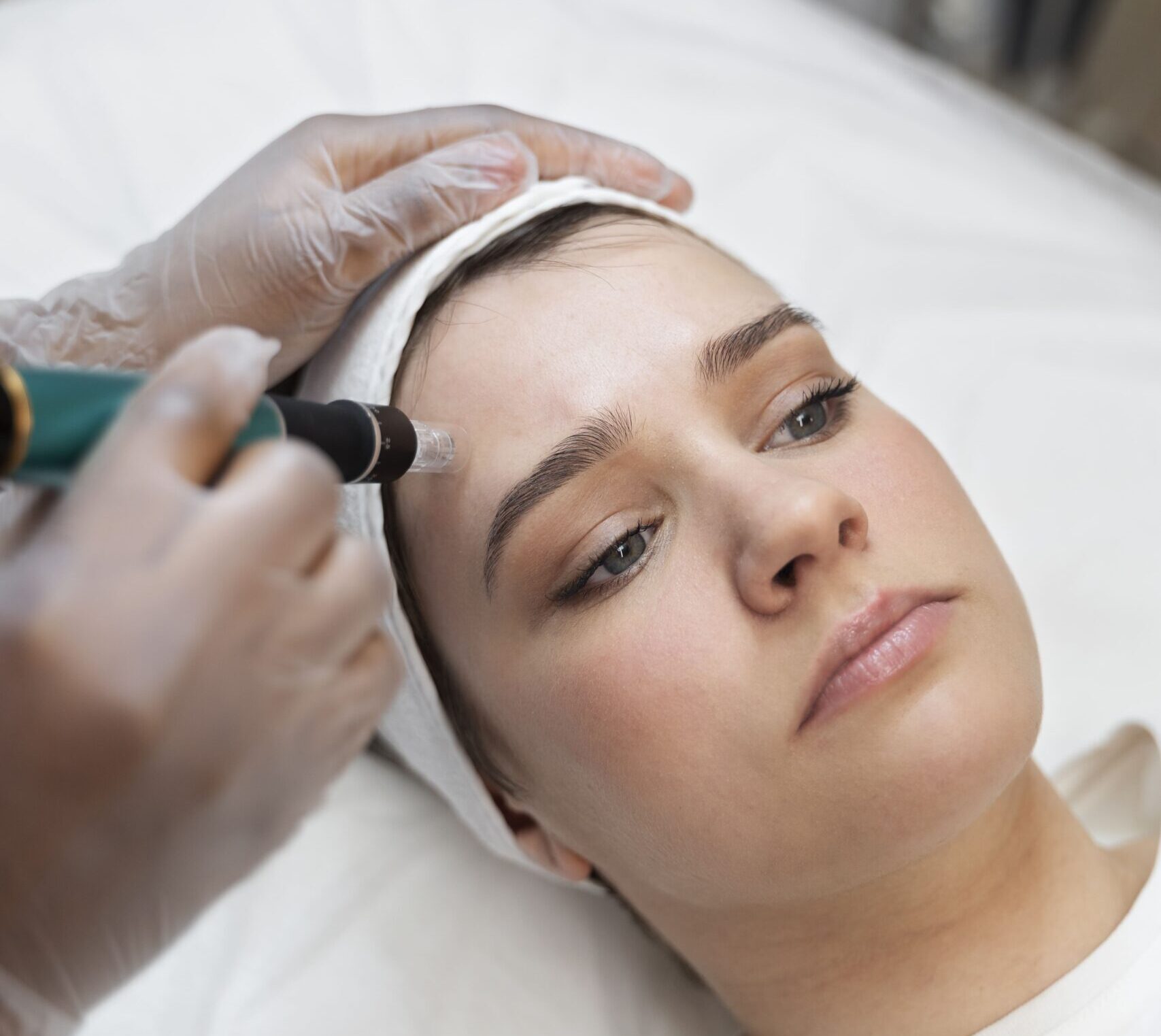
One of the most promising approaches currently available is Microneedling for Acne Scars in Abu Dhabi, a technique that leverages the body’s natural regenerative capabilities to soften texture and improve skin tone.
By understanding how this procedure interacts with different skin structures, you can better determine if it aligns with your aesthetic goals and skin health needs.
- Acne scarring impacts skin texture, often requiring treatments that penetrate beyond the surface layer.
- The procedure functions as a collagen induction therapy, triggering natural repair mechanisms.
- Determining suitability involves evaluating your specific skin type and the nature of your scarring.
The Science of Collagen Induction
At its core, the procedure involves creating controlled micro-injuries in the skin, which serves as a powerful signal for the body to initiate a wound-healing cascade. When these tiny channels are formed, they trigger the release of growth factors and activate fibroblasts, the primary cells responsible for producing collagen and elastin. This biological response is essential for remodeling the deeper dermal layers where scar tissue resides, effectively helping to “fill in” depressed or atrophic areas over time.
- Microneedling uses fine needles to create micro-channels without damaging the outer epidermal layer significantly.
- The stimulation of fibroblasts increases collagen synthesis, which is critical for smoothing out indentations.
- This remodeling process enhances the skin’s structural integrity, leading to a firmer and more refined appearance.
Why Skin Type Diversity Matters
One of the most notable advantages of this treatment is its versatility across the Fitzpatrick skin type scale. Unlike some aggressive laser treatments that carry risks of pigmentation changes in deeper skin tones, the non-ablative nature of this procedure makes it a safer option for a broader demographic. Because it preserves the integrity of the epidermis, it is particularly well-suited for individuals with medium to dark skin tones who may be more susceptible to post-inflammatory hyperpigmentation.
- The procedure is inclusive, catering to all Fitzpatrick skin types (I–VI) with a high safety profile.
- It avoids the thermal damage often associated with lasers, reducing the likelihood of dyspigmentation in darker skin.
- By focusing on mechanical collagen induction, it addresses texture issues while respecting the natural melanin distribution of the skin.
Identifying Suitable Scar Types
Not all acne scars respond to treatments in the same way, and understanding your specific scar pattern is key to achieving optimal results. This intervention is particularly effective for atrophic scars—the “pitted” or depressed marks left behind by inflammatory acne. These include rolling scars, which are characterized by wide, shallow depressions, and boxcar scars, which have defined edges. By breaking down the fibrous bands that tether these scars to deeper tissues, the procedure allows the skin to heal more evenly.
- Atrophic scars, such as rolling and boxcar variations, often show the most significant improvement.
- The technique effectively addresses the internal structure of the scar rather than just the surface layer.
- Consistent sessions help soften the transition between scarred and healthy tissue, resulting in a more uniform complexion.
Enhancing Skin Health and Texture
Beyond its primary use for scarring, the procedure provides a comprehensive boost to overall skin health. The micro-channels created during the session also facilitate improved penetration of topical skin-care ingredients, such as vitamins or serums, allowing them to reach deeper layers where they can work most effectively. This dual-action approach—collagen remodeling combined with enhanced nutrient delivery—contributes to a visible improvement in pore size, elasticity, and radiance.
- The procedure serves as a delivery system, increasing the efficacy of high-quality topical skincare.
- Regular treatments can lead to long-term improvements in skin elasticity and moisture retention.
- It is a multi-functional approach suitable for those looking to address both past acne damage and signs of aging.
Frequently Asked Questions
Can this treatment be used on sensitive skin?
Yes, the intensity of the procedure can be adjusted to accommodate sensitive skin. Because the depth of the needles is customizable, it can be tailored to be gentle enough for delicate areas while still providing the necessary stimulation for collagen production.
How does this treatment compare to laser therapies?
The primary difference is that this procedure is non-ablative, meaning it does not remove the outer layer of the skin. While lasers often rely on heat energy to resurface the skin, this method uses mechanical stimulation, which typically results in less downtime and a lower risk of side effects like pigmentation issues.
Is there a specific age when one should consider this?
There is no “right” age for this procedure. It is generally suitable for anyone who has moved past the active, inflammatory stage of acne and is dealing with the residual textural impacts of past breakouts.
How often should sessions be scheduled for the best results?
Most protocols recommend a series of sessions spaced several weeks apart. This timeframe allows the skin enough time to complete its natural healing and collagen-building cycle between appointments, ensuring the best possible remodeling of the scar tissue.