When families start looking into social skills therapy Phoenix AZ, one of the first questions is simple: What actually happens in a session? Understanding the structure, goals, and methods used in a social skills class can help families feel more confident about enrolling their child and knowing what to expect.
Social skills classes for children with autism are not casual playgroups. They are structured, goal-driven sessions facilitated by trained professionals who understand how children on the spectrum learn and interact.
How a Typical Session Is Structured
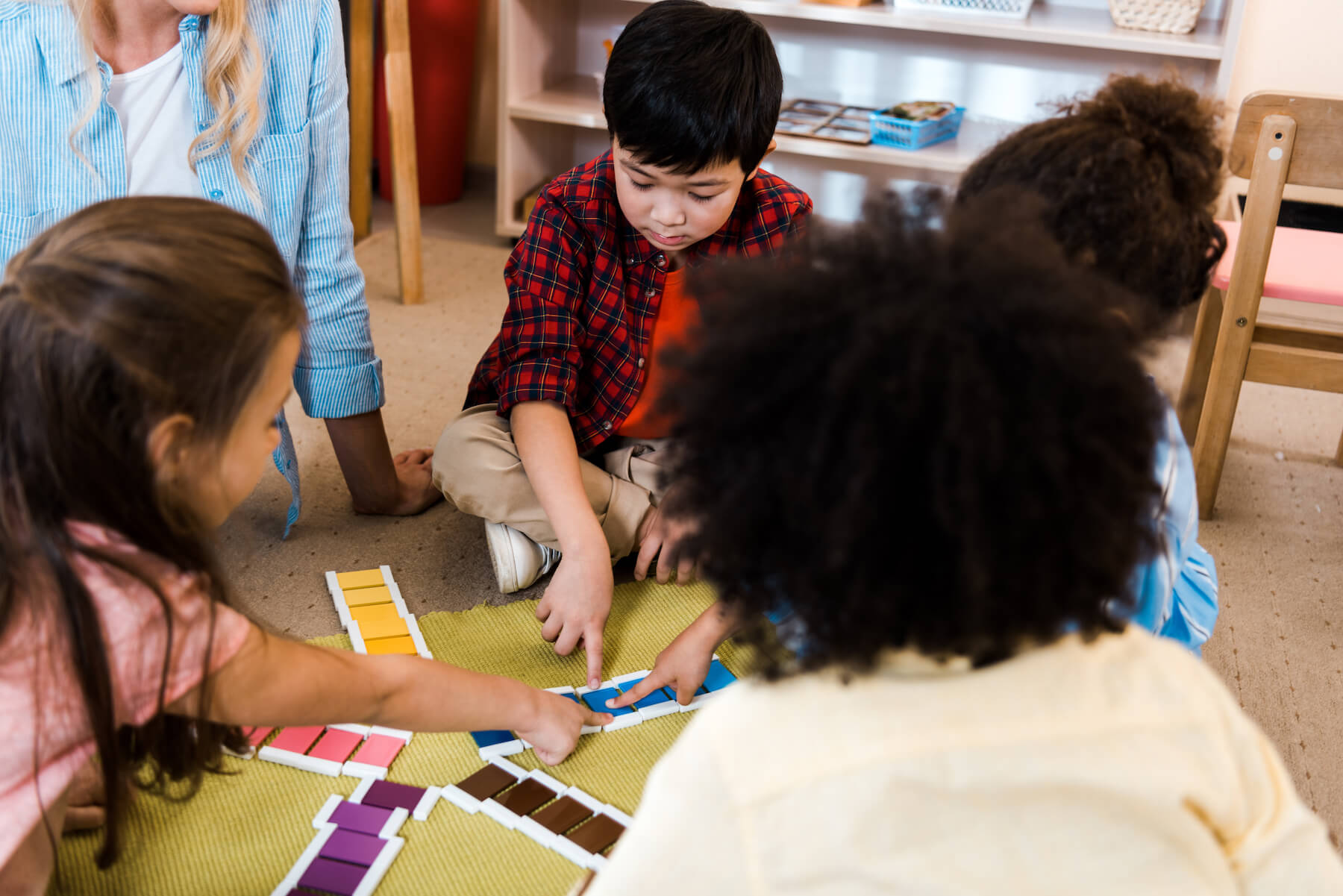
Most social skills classes follow a predictable format, which is important for children with autism who benefit from routine and clear expectations. A typical session might begin with a greeting activity or check-in, followed by a brief lesson introducing the session’s focus skill. That skill is then modeled by the facilitator, practiced through role-playing or guided activities, and reinforced through group interaction.
Sessions usually last between 60 and 90 minutes, depending on the age group and program design. Younger groups tend to be shorter with more movement-based activities, while older groups may include longer discussions and scenario-based practice.
What Skills Are Taught
The specific skills covered in a social skills class depend on the age and developmental level of the participants. For younger children, sessions often focus on foundational skills like making eye contact, responding to their name, sharing, taking turns, and understanding basic emotions in others.
For school-age children, skills become more complex. Sessions may cover starting and maintaining conversations, understanding body language and facial expressions, joining group activities, handling disagreements, and recognizing when someone is not interested in continuing an interaction.
Older teens and young adults may work on skills related to building and maintaining friendships, understanding social expectations in different settings, navigating workplace interactions, and managing social anxiety. The curriculum should evolve as participants grow and develop.
The Role of Peer Interaction
One of the key benefits of social skills classes Phoenix AZ, is the opportunity for children to practice with peers who are working on similar goals. Unlike individual therapy, where a child interacts primarily with a therapist, group settings create opportunities for real social exchanges that more closely resemble what happens at school, at the park, or during family events.
Peer interaction in a supported environment allows children to make mistakes, receive gentle correction, try again, and experience success, all within a setting where everyone is learning together.
How Progress Is Measured
A quality social skills class does not rely on observation alone. Facilitators should be collecting data on each child’s targeted goals during every session. This data helps the supervising behavior analyst determine whether a child is making progress, whether the current approach is working, or whether adjustments are needed.
Families should receive regular updates on their child’s progress. These updates should include specific information about which skills are improving, which areas still need support, and what families can do at home to reinforce what is being practiced in class.
Who Leads the Sessions
The qualifications of the facilitators matter. Look for programs where sessions are designed by Board Certified Behavior Analysts (BCBAs) and led by certified staff such as ABATs or RBTs. Trained facilitators understand how to create opportunities for social learning, how to prompt interactions without taking over, and how to manage group dynamics when challenges arise.
Social skills therapy in Phoenix, AZ, should be guided by evidence-based practices, not improvised activities. Ask providers about the curriculum, how facilitators are trained, and what supervision structure is in place.
What Families Can Do at Home
Social skills development does not stop when the class ends. Families play a critical role in reinforcing skills throughout the week. This might mean practicing greetings with neighbors, narrating social situations during outings, or setting up structured playdates where a child can apply what they have learned.
Good providers will give families specific suggestions for reinforcement at home, creating a consistent loop between what happens in class and what happens in daily life.
Finding Social Skills Classes in Phoenix, AZ
For families in Phoenix looking for structured, evidence-based social skills classes in Phoenix, AZ, it helps to ask providers about group size, curriculum design, staff credentials, and how progress is communicated. The right program should feel organized, supportive, and focused on helping each child build skills that translate into real-world confidence and connection.