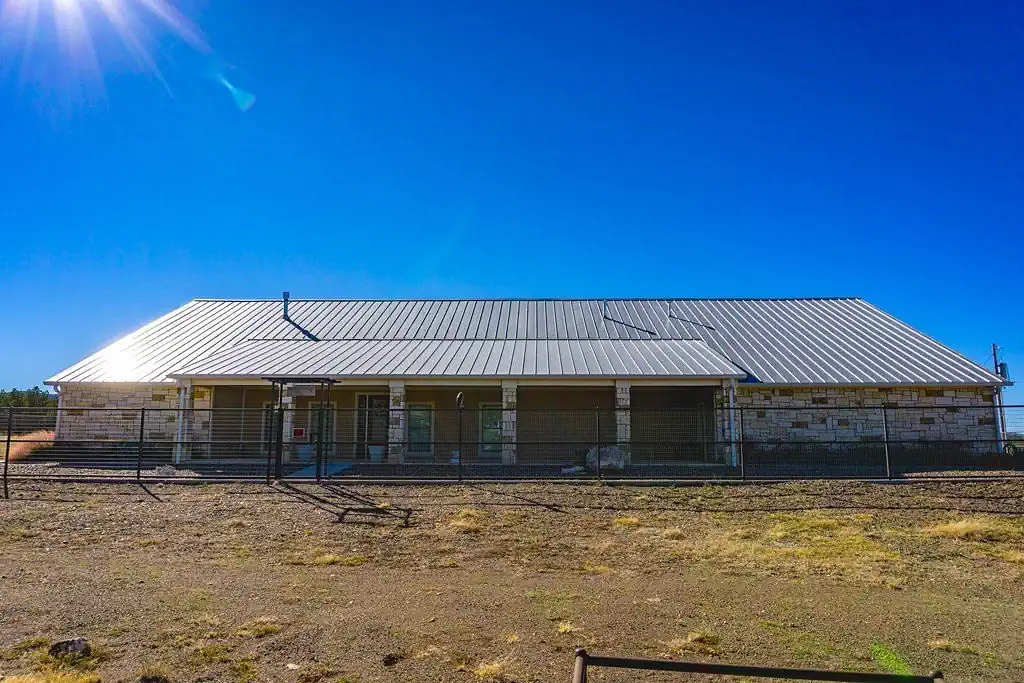
Comal County sits in the heart of the Texas Hill Country between San Antonio and Austin, with New Braunfels as its county seat. The area has experienced rapid population growth over the past decade, and with that growth has come increased buyer interest in rural acreage, working farms, and ranch properties outside city limits. For first-time land buyers looking to buy farm in Comal County, TX, or purchase ranch acreage, the appeal is clear: space, privacy, and a connection to Hill Country living that suburban neighborhoods cannot replicate.
But purchasing rural property in Comal County involves a different set of considerations than buying a home in a subdivision. Buyers who investigate these factors before writing a purchase proposal are far less likely to encounter costly surprises after closing.
Water Infrastructure
Water is the most important variable on any rural Comal County property. Most farms and ranches outside New Braunfels city limits rely on private wells, and the quality and capacity of that well directly affect usability and long-term value.
A thorough well evaluation should cover:
- Flow rate to confirm gallons-per-minute output under sustained use
- Water quality, including bacteria, nitrates, hardness, and pH levels
- Pump and pressure tank age and current operating condition
- Storage capacity, including holding tanks and distribution lines to troughs or irrigation
In parts of Comal County, the Edwards Aquifer and Trinity Aquifer supply groundwater, but well depth and yield vary significantly by location. Anyone looking to buy ranch in Comal County, TX should match well capacity to their intended land use before committing.
Agricultural and Wildlife Exemptions
Many rural properties in Comal County carry agricultural or wildlife management exemptions that reduce annual property taxes based on productive use. These exemptions save owners thousands per year, but they come with requirements.
An ag exemption typically requires documented agricultural activity such as cattle grazing, hay production, or crop cultivation. Wildlife management exemptions require documented practices in at least three of seven categories defined by the Texas Parks and Wildlife Department.
Buyers should verify that any existing exemption is current, that the management plan is documented, and that the exemption transfers with the sale. A lapsed exemption can trigger rollback taxes covering up to five years. For anyone looking to buy farm in Comal County, TX, understanding exemption status is a financial planning step, not just a paperwork detail.
Surveys, Easements, and Boundaries
A current survey is non-negotiable for any rural acreage purchase. Fence lines frequently do not follow legal property boundaries, and without a survey, buyers risk inheriting encroachments, boundary disputes, or inaccurate acreage counts.
Buyers should also review existing easements for road access, utilities, and pipelines, as these affect where structures can be placed and how the land is used. If the property is accessed through a shared private road, confirm maintenance responsibilities in writing.
Soil, Terrain, and Land Condition
What the land can support depends on what it is made of. Comal County’s terrain ranges from flat, open fields to rocky, cedar-covered hillsides. Before purchasing, buyers should evaluate:
- Soil depth and type in different areas of the property to determine suitability for hay, crops, or grazing
- Terrain usability, including grades, rocky outcroppings, and drainage patterns that affect operational functionality
- Internal road access for equipment, livestock, and daily property management
- Fencing condition, including perimeter and cross-fencing for livestock containment
A tract that looks flat in listing photos may have drainage issues or steep grades that limit its functionality for farming or ranching. Walking the property in person is the only reliable way to assess these details.
Flood Zones and Drainage
Comal County includes areas along the Guadalupe River, Dry Comal Creek, and other waterways that fall within FEMA-designated flood zones. Properties in these zones require flood insurance if financed through a federally backed mortgage, and even properties outside formal flood zones can experience water accumulation during heavy Hill Country rain events. Requesting a flood zone determination early in due diligence helps buyers understand insurance costs and long-term risk.
Do the Work Before You Sign
Rural property in Comal County can be a rewarding purchase, but the due diligence process is more involved than buying a subdivision home. Water infrastructure, exemptions, surveys, soil quality, and flood risk all require investigation before closing. Buyers who want to buy ranch in Comal County, TX, should work with a broker experienced in rural transactions who can guide the process and identify issues before they become problems.