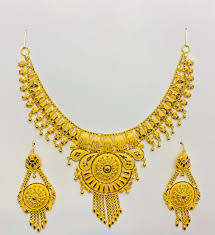
The jewellery in Pakistan market is fascinating, complex, and deeply rooted in cultural traditions that go back centuries. Whether you’re a buyer looking to make informed purchasing decisions or just curious about how this industry works, understanding the landscape helps you navigate what can otherwise feel overwhelming and opaque.
Let’s dig into how the Pakistani jewellery market actually functions, from traditional bazaars to modern retail chains, and what you need to know to make smart choices.
The Scale and Scope of Pakistan’s Jewellery Industry
Pakistan’s jewellery sector is enormous, worth billions of dollars and employing hundreds of thousands of people across design, manufacturing, retail, and related services. Gold jewellery dominates the market, though silver, artificial jewellery, and gemstone pieces all have their places.
What makes Pakistan’s jewellery market unique is how it straddles traditional craftsmanship and modern retail practices. You can still find third-generation artisans creating pieces using centuries-old techniques in small workshops, while modern shopping malls host international jewellery brands with computerized design systems.
The market serves multiple purposes beyond simple adornment. Jewellery functions as a status symbol, a form of savings and investment, a crucial component of wedding celebrations, and a way to preserve and display family wealth. This multipurpose role gives the industry stability that pure luxury markets might not enjoy.
Major Jewellery Hubs Across Pakistan
Different cities have developed distinct identities within Pakistan’s jewellery landscape, each with its own specialties and character.
Karachi, as Pakistan’s commercial capital, hosts everything from high-end boutiques to traditional bazaars. The city’s jewellery market reflects its diverse, cosmopolitan population with styles ranging from traditional South Asian to contemporary international designs. Major shopping districts like Saddar and Tariq Road have concentrated jewellery retail, while upscale areas feature luxury brands.
Lahore brings historical depth to jewellery design, drawing inspiration from the city’s Mughal heritage. The craftsmanship here often emphasizes traditional techniques, detailed work, and classical aesthetics. Anarkali Bazaar remains a famous destination for jewellery shopping, mixing centuries of tradition with modern commerce.
Peshawar’s jewellery reflects Central Asian influences, with designs and techniques that show the region’s cultural connections. The emphasis tends toward heavier pieces with bold designs. Rawalpindi and Islamabad together create another significant market, particularly for government officials and diplomatic communities who need both traditional and contemporary pieces.
Traditional vs. Modern Retail Models
Pakistan’s jewellery market operates through various retail models, each with distinct advantages and characteristics.
Traditional jewellery bazaars remain popular, especially in older city areas. These markets feature dozens or hundreds of small shops in close proximity, creating competitive environments where bargaining is expected. Buyers can compare options easily, and relationships between jewellers and customers often span generations.
The advantage of bazaar shopping is competition keeping prices reasonable and the ability to see many options quickly. The disadvantage is that quality can vary significantly, and inexperienced buyers might struggle to assess what they’re actually getting.
Standalone jewellery stores in commercial areas represent a middle ground. These established businesses often have reputations built over decades, offer more comfortable shopping environments than bazaars, but maintain some flexibility on pricing.
Modern retail chains and branded stores have expanded significantly in recent years. They offer standardized quality, transparent pricing, certified gold and gemstones, and formal return policies. You pay for this reliability, but many buyers consider it worthwhile.
How Gold Pricing Actually Works
Understanding gold pricing in Pakistan helps you evaluate whether you’re getting fair value. The process is more complex than many buyers realize.
International gold rates form the foundation. Pakistan imports essentially all its gold, so global market prices directly affect local rates. These international prices fluctuate daily based on various economic factors.
Local jewellers add several charges on top of the base gold price. Import duties and taxes increase costs. Making charges cover the labor and expertise involved in creating the piece, varying based on design complexity. Some jewellers charge per gram regardless of design, while others adjust making charges based on how intricate the work is.
Gemstones, additional materials, and design elements add further costs. Brand names command premiums over independent jewellers. Location matters too, with prime retail areas charging more than smaller shops in secondary locations.
The all-in price you pay typically breaks down to gold weight multiplied by per-gram price, plus making charges, plus costs for any additional materials. Understanding this breakdown helps you compare options meaningfully.
Hallmarking and Quality Standards
Hallmarking provides official certification of gold purity, offering buyers protection against fraud. Pakistan has been working to expand hallmarking requirements, though implementation hasn’t reached all market segments yet.
A proper hallmark indicates the gold karat and certifies that the piece meets stated purity standards. Look for official hallmark stamps from recognized authorities. Many jewellers provide certificates with major purchases, documenting gold weight and purity.
The challenge is that not all jewellery sold in Pakistan is hallmarked, particularly older pieces or items from smaller manufacturers. This creates risk for buyers who need to rely more heavily on the jeweller’s reputation and their own knowledge.
When buying unhallmarked gold, consider having it tested independently. Several methods exist for testing gold purity, from acid tests to electronic devices. Reputable jewellers shouldn’t object to verification.
The Wedding Jewellery Market
Weddings drive enormous jewellery purchases in Pakistan, with bridal jewellery representing a major expense for most families. This segment supports many jewellers who specialize specifically in wedding-related pieces.
Wedding jewellery shopping typically starts months before the event, particularly for custom pieces. Peak season runs through popular wedding months, when jewellers often see their highest sales volumes and busiest periods.
The cultural importance of wedding jewellery means families often stretch financially to provide impressive pieces. This creates both opportunity and risk. Jewellers know customers will pay premium prices for weddings, so it’s crucial to shop carefully and compare options rather than accepting the first proposal.
Rental services for wedding jewellery have emerged as an alternative to purchasing. For families unable or unwilling to invest in pieces that might only be worn once, renting offers access to elaborate sets at a fraction of purchase costs. Quality rental services provide insured, cleaned, and well-maintained pieces.
Investment Value of Jewellery
Many Pakistanis view gold jewellery as an investment that preserves wealth while being enjoyable to wear. This perspective shapes purchasing decisions and market dynamics.
Gold maintains value over time, particularly compared to currency which can depreciate. During economic uncertainty, gold often retains or increases value, providing a hedge against inflation. The physical nature of gold jewellery makes it feel secure compared to paper investments.
However, jewellery isn’t always the most efficient investment vehicle. The making charges you pay when purchasing represent an immediate loss if you need to sell quickly. Jewellers typically buy back at gold weight value only, not including the craftsmanship premium you paid.
For investment purposes, simpler pieces with minimal making charges make more sense than elaborate designs. Gold coins or bars might be even more efficient, though they lack the cultural and aesthetic aspects of jewellery.
Artificial and Fashion Jewellery
While gold dominates Pakistan’s jewellery market, artificial jewellery has carved out a substantial and growing segment. These pieces use base metals, plating, and artificial stones to create affordable fashion accessories.
Artificial jewellery offers several advantages beyond price. You can own multiple pieces to match different outfits without major investment. If pieces get lost or damaged, it’s not catastrophic. Designs can be more experimental since the risk is lower.
The artificial jewellery market ranges from cheap imitations to well-designed fashion pieces using quality materials and craftsmanship. Better artificial jewellery uses techniques like rhodium plating, high-quality cubic zirconia, and careful finishing that creates pieces attractive in their own right rather than merely imitations of real gold.
The Role of Gemstones
Beyond gold, Pakistan’s jewellery market includes significant trade in gemstones, both local and imported. Pakistan produces some gemstones domestically, particularly from northern areas, while importing diamonds and other precious stones.
The gemstone market is even more specialized than gold jewellery, requiring expertise to evaluate quality, authenticity, and fair pricing. Certification becomes crucial for expensive stones, particularly diamonds where cut, clarity, color, and carat weight all dramatically affect value.
Many jewellery buyers lack the knowledge to properly assess gemstones, making them reliant on the jeweller’s honesty. This information asymmetry creates risk. When buying significant gemstones, consider getting independent certification or appraisal from a qualified gemologist.
Export Markets and International Connections
Pakistan exports jewellery to various international markets, though not at the scale of countries like India or Thailand. Pakistani jewellery appeals particularly in markets with South Asian diaspora communities who appreciate traditional designs and craftsmanship.
International connections work both ways. Some Pakistani jewellers import designs, techniques, or even finished pieces from abroad. International brand partnerships bring foreign jewellery names to Pakistani consumers, while local brands occasionally expand outward.
These global connections influence local market trends, exposing Pakistani consumers to international design aesthetics and raising quality expectations.
Regulations and Consumer Protection
Pakistan’s jewellery market operates under various regulations, though enforcement and compliance vary. Consumer protection laws theoretically cover jewellery purchases, but practical recourse for buyers facing problems isn’t always straightforward.
Working with established, reputable jewellers provides the best protection. These businesses care about their reputation and will generally work with customers to resolve legitimate issues. Get everything in writing, including specifications, prices, return policies, and any promises made during the sale process.
Trade associations exist for jewellers, providing some industry self-regulation and standards. Members of recognized associations often adhere to higher standards than purely independent operators.
Shopping Smart in Pakistan’s Jewellery Market
Success in Pakistan’s jewellery market comes down to being informed, patient, and strategic. Research before shopping so you understand basic pricing, quality indicators, and what’s reasonable to expect. Don’t rush major purchases, particularly wedding jewellery or investment pieces.
Compare options across multiple sellers. Prices and quality vary enough that shopping around typically pays off. But also recognize that the absolute cheapest option isn’t always the best value. Balance price against quality, reputation, and service.
Build relationships with jewellers you trust. If you find someone who treats you fairly and provides quality products, that relationship is valuable for future purchases. Good jewellers become advisors who help you make smart choices rather than just trying to maximize sales.
Stay informed about gold rates so you understand whether prices you’re quoted make sense. Don’t be afraid to ask questions about anything you don’t understand. A legitimate jeweller will explain their pricing, quality, and methods transparently.
The jewellery market in Pakistan offers tremendous variety, skilled craftsmanship, and pieces ranging from everyday accessories to heirloom investments. Understanding how this market works empowers you to navigate it successfully and find jewellery that brings lasting satisfaction.