Introduction
In modern power generation and industrial drive applications, turbines operate under extreme mechanical stress and high rotational speeds. One of the most critical safety concerns in these systems is overspeed, a condition where the turbine rotor exceeds its maximum allowable speed. To prevent damage or catastrophic failure, turbine control systems rely on dedicated safety hardware known as overspeed protection boards.
These components are designed to act independently from primary control loops, ensuring that even in the event of a control system failure, the turbine can still be brought to a safe state.
Understanding Turbine Overspeed Conditions
Overspeed can occur due to several operational or mechanical issues, such as sudden load rejection, governor malfunction, or fuel/steam control failure. When a turbine exceeds its rated speed, centrifugal forces increase rapidly, placing enormous stress on blades, shafts, and couplings.
If not controlled within milliseconds, overspeed conditions can lead to:
- Blade deformation or rupture
- Rotor imbalance
- Bearing damage
- Complete turbine breakdown
Because of these risks, overspeed protection is considered a safety-critical function in all modern turbine systems.
What Are Overspeed Protection Boards?
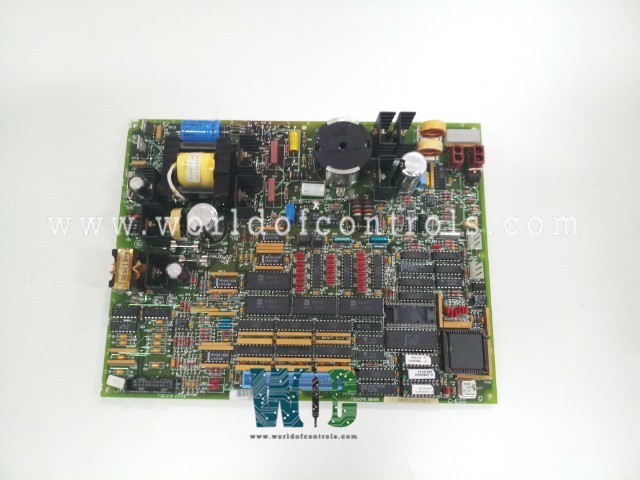
Overspeed protection boards are specialized electronic modules that continuously monitor turbine shaft speed using input from magnetic pickups or speed sensors. These boards compare real-time speed signals against predefined safety thresholds.
When an unsafe condition is detected, the board triggers immediate protective actions such as:
- Emergency turbine trip
- Fuel or steam shutoff
- Activation of shutdown relays
- Alarm signaling to the control system
A key feature of these boards is their independent operation, meaning they function separately from the main turbine control logic to ensure maximum reliability.
Integration in Modern Control Systems
In today’s industrial environments, turbine control systems are highly integrated and often built around distributed architectures. Overspeed protection boards are embedded within these systems as part of a multi-layered safety strategy.
They typically work alongside:
- Primary speed governors
- Redundant control processors
- Vibration monitoring systems
- Emergency shutdown systems
This layered design ensures that no single component failure can compromise turbine safety.
Role in GE-Based Turbine Control Architecture
In widely used industrial control platforms developed by GE, overspeed protection is implemented through dedicated electronic modules within the turbine control framework. These modules are designed to process high-speed input data, evaluate operating conditions, and initiate protective responses in real time.
Within this ecosystem, overspeed protection boards perform several essential functions:
- Processing real-time speed feedback from sensors
- Supporting trip decision logic in emergency conditions
- Communicating with turbine control processors
- Ensuring rapid shutdown response when thresholds are exceeded
Their reliability and responsiveness make them a critical part of high-performance turbine installations across power plants and industrial facilities.
Importance in Turbine Safety and Reliability
As turbines continue to evolve toward higher efficiency and output, operational safety requirements become even more demanding. Overspeed protection boards contribute significantly to system reliability by:
- Preventing mechanical overstress during abnormal operation
- Reducing risk of unplanned outages and equipment damage
- Supporting compliance with industrial safety standards
- Enhancing overall plant operational integrity
Without these protection systems, modern turbines would be far more vulnerable to high-speed failure scenarios.
Maintenance and Operational Considerations
Because overspeed protection systems operate in a safety-critical capacity, their maintenance is treated with high priority. Regular inspection and testing are essential to ensure continued performance.
Common maintenance practices include:
- Verification of speed sensor accuracy
- Functional testing of trip circuits
- Inspection for electrical degradation or aging components
- Periodic validation of shutdown response times
Any delay or malfunction in these systems can significantly increase operational risk, making proactive maintenance essential.
Conclusion
Overspeed protection boards are a fundamental component of modern turbine control systems, ensuring safe operation under all conditions. By continuously monitoring rotational speed and initiating rapid protective actions, they help prevent catastrophic mechanical failures.
In advanced turbine architectures, these boards form part of a broader safety ecosystem that combines redundancy, real-time monitoring, and intelligent control logic. As turbine technology continues to advance, overspeed protection will remain a cornerstone of safe and reliable power generation.