Over the last ten years, online influence has changed from something experimental into a powerful force that shapes opinions, markets, and even culture itself. What once depended on follower counts and viral posts has become a more complex system built on trust, consistency, and audience connection. The internet is no longer just a place to broadcast content. It is a space where influence is earned, tested, and constantly redefined.
To understand where we are today, it helps to look at how things started and how rapidly they’ve evolved.
From viral moments to structured influence
A decade ago, online influence was mostly driven by viral content. A single video, tweet, or meme could launch someone into internet fame overnight. Platforms like early YouTube, Facebook, and Twitter rewarded reach above all else. If something got attention, it spread quickly, regardless of depth or long-term value.
Influencers at the time often rose by accident rather than strategy. Many didn’t even identify as influencers. They were creators, bloggers, or entertainers who suddenly found themselves with large audiences.
But virality had a downside. It was unpredictable and short-lived. Many people who went viral struggled to maintain relevance once the internet moved on. That gap between attention and sustainability set the stage for a major shift in how influence works today.
The rise of content ecosystems
As platforms matured, so did creators. Instead of relying on single viral posts, influencers began building content ecosystems. This meant showing up consistently across multiple platforms, engaging directly with audiences, and developing recognizable personal brands.
YouTube creators started producing serialized content. Instagram influencers curated aesthetic-driven feeds. Bloggers turned into multimedia publishers. Each platform became a piece of a larger puzzle rather than the entire strategy.
This period also marked the beginning of niche influence. Instead of trying to appeal to everyone, creators found success by focusing on specific communities like fitness, tech, fashion, gaming, or personal development. Smaller but highly engaged audiences often proved more valuable than massive but passive ones.
Authenticity becomes the currency of trust
As audiences became more experienced, they started demanding authenticity. Polished, overly curated content began to lose its appeal. People wanted real stories, behind-the-scenes moments, and honest opinions.
This shift changed everything. Influencers who built trust began outperforming those who relied purely on aesthetics or production quality. Engagement became more important than follower count. A creator with 10,000 loyal followers could often have more impact than someone with a million disconnected viewers.
Trust became the real currency of influence.
This is also where personal storytelling gained importance. Sharing struggles, failures, and lessons became just as valuable as sharing successes. Audiences wanted to relate, not just admire.
Algorithms reshape visibility
Another major turning point came with the evolution of platform algorithms. Social media companies began prioritizing content based on engagement patterns rather than chronological order. This changed how visibility worked.
Suddenly, even small creators could reach massive audiences if their content resonated. At the same time, large influencers had to work harder to maintain reach.
This created a more competitive environment where understanding platform mechanics became essential. Timing, hooks, retention, and engagement signals all started to matter. Influence was no longer just about what you said but how the platform distributed it.
Creators had to become part artist, part strategist.
The professionalization of influence
As money entered the space, online influence became a career path. Brands began investing heavily in influencer marketing, recognizing that audiences trusted individuals more than traditional ads.
This led to the rise of sponsorships, affiliate marketing, and long-term brand partnerships. Influencers became entrepreneurs, building media businesses around their personal identity.
With that shift came more structure. Content calendars, analytics tools, media kits, and management teams became standard. What was once casual posting turned into a professional operation for many creators.
However, this also introduced pressure. Audiences became more skeptical of sponsored content, and influencers had to balance monetization with authenticity.
The diversification of platforms
The past decade also saw the rise of platform diversity. Instead of relying on one space, influencers spread their presence across multiple channels.
Short-form video platforms changed the landscape dramatically. They made content creation faster, more accessible, and more trend-driven. At the same time, long-form content maintained its importance for deeper engagement and authority building.
Podcasts also emerged as a powerful influence tool. They allowed creators to build deeper relationships with audiences through long conversations and storytelling.
This diversification made influence more resilient. If one platform changed its algorithm or declined in popularity, creators could still maintain their reach elsewhere.
Community becomes more important than reach
One of the most significant changes in online influence is the shift from audience size to community strength. Today, influence is less about broadcasting and more about belonging.
Creators who actively engage with their audience through comments, direct messages, live sessions, and private groups tend to build stronger loyalty. The relationship feels more personal and less transactional.
This has also led to the rise of micro-communities. Instead of one large audience, many influencers now manage multiple smaller, highly engaged groups. These communities often feel more like conversations than broadcasts.
The blending of identity and influence
Another key development is how closely online influence is tied to identity. For many creators, personal and professional lives are no longer separate. Their identity becomes part of their brand.
This creates both opportunity and risk. On one hand, audiences connect more deeply with real people. On the other hand, it leaves little room for privacy or separation.
Influence today is not just about what someone creates. It is about who they are perceived to be.
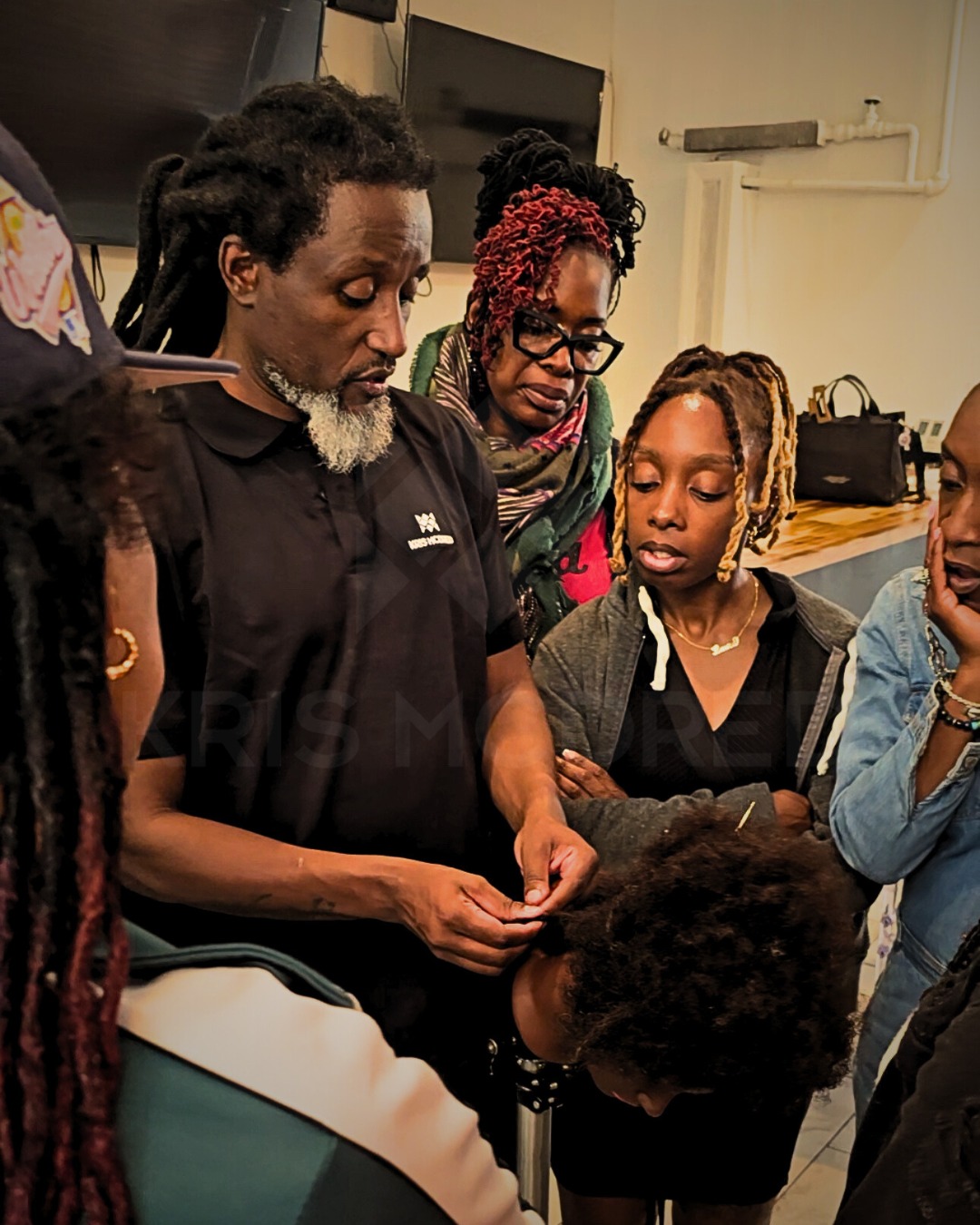
The role of creators like Kris Mcdred
In this evolving landscape, individuals such as Kris Mcdred represent how modern influence can develop through consistency, adaptability, and audience connection. Rather than relying on a single viral moment, long-term relevance comes from understanding platforms, building trust, and maintaining a clear voice across content.
This reflects a broader truth in today’s digital world. Influence is no longer accidental. It is built step by step, shaped by strategy and sustained by relationships.
Looking ahead: what influence will become
As we move forward, online influence will likely become even more decentralized. Artificial intelligence, virtual spaces, and new content formats will continue to reshape how people connect and communicate.
Audiences will become even more selective. They will prioritize depth over noise, and meaningful interaction over mass exposure.
At the same time, creators will need to stay flexible. The platforms of today may not dominate tomorrow, and adaptability will remain one of the most important skills in digital influence.
Conclusion
The evolution of online influence over the past decade tells a clear story. It has moved from viral randomness to structured ecosystems, from surface-level popularity to deep trust, and from mass broadcasting to community-driven engagement.
What remains constant is the human element. No matter how advanced platforms become, influence still depends on connection, relevance, and authenticity.