
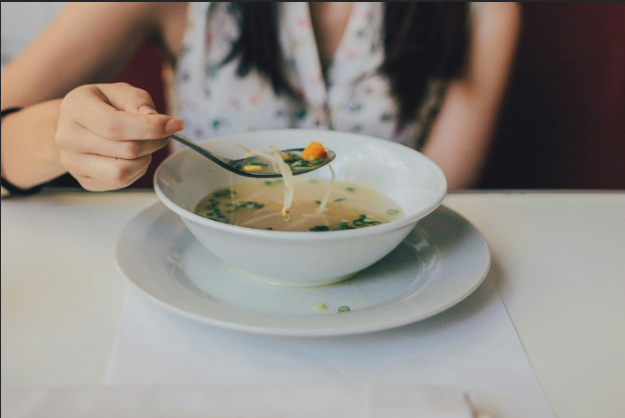
Soup shopping has changed a lot in recent years. Instead of only picking up cans during a grocery run, many Americans now buy soup mixes online for quick lunches, pantry backup meals, travel food, and easy weeknight dinners.
What makes this trend interesting is how buying habits shift by month and region. Cold states often lean toward creamy, filling soups during winter, while warmer regions may choose lighter options for more of the year. At the same time, demand for instant soup and vegetarian soups continues to grow as people look for meals that are fast, flexible, and simple to prepare.
Looking at soup mix data helps explain these patterns more clearly. It shows when shoppers buy the most, which flavors rise during each season, and how regional food habits shape what ends up in America’s online carts.
What Soup Mix Data Shows About Seasonal Shopping Trends
Seasonality plays a major role in soup purchasing behavior. While soup sells year-round, online demand rises sharply during colder months.
January and February: Peak Soup Season
The highest volume of online soup purchases typically happens in January and February. There are several reasons for this:
- Cold weather increases demand for comfort food
- People look for affordable meals after holiday spending
- Many consumers focus on meal prep and healthier eating goals
During this period, hearty soups dominate search trends and purchases. Creamy soups, potato soups, tomato bisque, and onion-based flavors often perform especially well. Searches for instant soup also rise significantly during winter because shoppers want meals that are quick and warming without requiring long cooking times.
March Through May: Lighter Soup Preferences
As temperatures begin to warm, purchasing habits shift. Consumers still buy soup, but the preference often moves toward:
- Vegetable soups
- Lentil soups
- Broth-based soups
- Lighter creamy soups
Spring months also show stronger interest in vegetarian soups, particularly among shoppers looking for lighter meal options. This period often reflects changing eating habits as consumers move away from heavier winter comfort foods.
Summer Months: Lower but Stable Demand
Soup sales usually slow during summer, but they rarely disappear completely. Online purchases during warmer months tend to focus on:
- Quick pantry meals
- Camping and travel food
- Meal-prep convenience
- Light soups with vegetables or herbs
Consumers buying soup during summer often prioritize convenience over comfort. This is also when shelf-stable instant soup products maintain relatively stable demand because they work well for travel, office lunches, and simple meals.
Fall: The Strong Return of Comfort Food
Once temperatures begin dropping again, soup shopping rises quickly. September through November typically show strong growth in:
- Creamy soups
- Tomato soup
- Mushroom soup
- Broccoli cheddar
- Potato-based soups
This period reflects a larger comfort-food trend that appears every fall as consumers return to warm, hearty meals.
Regional Soup Preferences Across the United States
One of the most interesting parts of soup mix data is how much preferences change by region. Climate, local food culture, and seasonal weather all influence what people buy online.
Northeast: Creamy and Hearty Soups Lead
Northeastern states consistently show strong interest in rich and filling soups. Popular categories often include:
- Clam chowder
- Broccoli cheddar
- Potato soup
- Tomato bisque
- French onion
Cold winters strongly influence these preferences. Consumers in this region often prioritize soups that feel warming and substantial. Online searches for creamy soup mixes also rise earlier in the season here compared to warmer parts of the country.
Midwest: Comfort and Familiar Flavors Dominate
The Midwest tends to favor traditional comfort foods. Chicken noodle-style flavors, creamy vegetable soups, cheddar soups, and potato soups remain consistently popular in this region. Convenience also plays a major role. Midwestern consumers frequently purchase instant soup options because they fit busy family schedules and colder weather routines.
Meal size matters too. Many Midwestern shoppers prefer soups that can function as full meals rather than light starters.
South: Lighter Soups Stay More Consistent
Southern states show slightly different patterns. While winter still increases soup demand, purchases remain more balanced throughout the year because temperatures stay warmer longer. Popular choices often include:
- Vegetable soups
- Black bean soup
- Tomato soup
- Spicy soups
- Herb-forward broths
Interest in vegetarian soups is also growing steadily in Southern urban areas, especially among younger consumers.
West Coast: Health Trends Influence Buying Habits
The West Coast shows some of the strongest demand for plant-based and health-focused soups. This includes:
- Lentil soups
- Vegetable soups
- Organic soups
- Dairy-free soups
- Low-sodium soups
Consumers here often prioritize ingredients and nutrition alongside convenience. As a result, many online shoppers actively search for cleaner ingredient labels and modern soup varieties instead of traditional canned options.
Why Vegetarian Soups Continue Gaining Popularity
One of the clearest trends in recent soup mix data is the growth of vegetarian soups. Consumers are increasingly interested in:
- Plant-based meals
- Flexible eating habits
- Lower meat consumption
- Vegetable-focused comfort foods
Importantly, this trend is not limited to strict vegetarians. Many consumers simply want lighter meals a few times a week while still enjoying familiar comfort flavors. Soups made with tomatoes, lentils, mushrooms, spinach, beans, and roasted vegetables fit that balance well.
Final Thoughts
Current soup mix data shows that Americans buy soup based on far more than hunger alone. Weather, convenience, region, lifestyle, and seasonal habits all influence what people choose throughout the year. From creamy winter comfort soups in the Northeast to lighter vegetable-based options on the West Coast, regional patterns continue shaping online soup shopping behavior across the country.
At the same time, growing interest in instant soup and vegetarian soups reflects a broader shift toward meals that are easy, flexible, and comforting without requiring complicated preparation.
FAQs
How do regional trends influence what a soup company sells online?
A soup company often adjusts its product selection based on regional preferences and seasonal demand. Colder regions usually drive higher sales of creamy and hearty soups, while warmer areas may show stronger interest in lighter vegetable-based or broth-style options. These patterns help shape which soups are promoted throughout the year.
What does soup mix data tell us about American food habits?
Soup mix data shows how people choose convenient meals based on weather, lifestyle, and routine. Higher winter demand often points to comfort-food cravings, while steady interest in lighter soups shows that many shoppers also use soup for quick lunches, meal prep, and pantry backup.
Why do soup purchases increase during colder months?
Soup sales usually rise in fall and winter because people want warm, filling meals that are easy to prepare. Cold weather also makes creamy soups, broths, and instant soup more appealing for quick comfort at home, work, or school.