
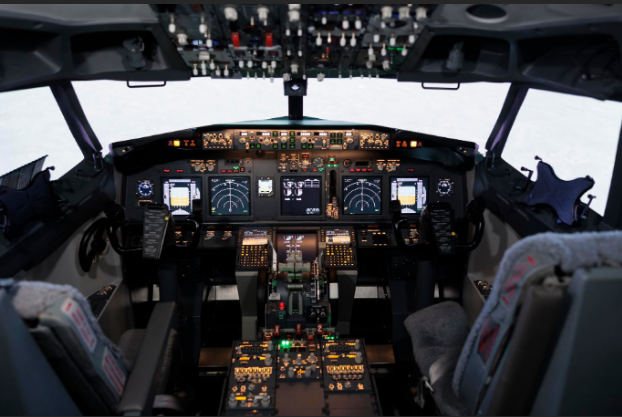
New students believe that buying more equipment will make them better pilots. In reality, the right pilot training gear makes learning smoother, while unnecessary items only add distraction inside the cockpit. Knowing what actually helps can save you money, reduce stress, and improve your focus during lessons, especially when your flight training provider gives clear guidance on what to buy first. This guide keeps things simple and practical by sharing the top gear you can invest in to truly support your training and avoid what you do not need.
Key Takeaways
- Only a few tools truly improve your cockpit experience.
- Simple gear helps you stay focused during lessons.
- Extra gadgets can slow down learning.
- Smart choices support affordable flight training.
- Buy gear based on your current training stage.
Pilot Training Gear Actually Helps in the Cockpit
Aviation Headset
A quality headset is not optional. It directly affects how well you hear instructions and communicate.
For example, during a busy pattern, your instructor may quickly guide you through spacing and timing. If your headset is unclear or uncomfortable, you can miss important instructions. A good headset reduces noise and keeps communication clear, especially in small training aircraft.
Kneeboard
A kneeboard keeps your essential information organized and easy to access.
During a navigation exercise, you may need to check headings, frequencies, or notes quickly. Instead of searching through loose papers, everything stays in one place. This pilot training gear reduces stress and helps you stay focused on flying.
Logbook
Your logbook is more than a record. It tracks your progress and learning.
Every flight, instructor comment, and milestone is written here. Over time, it shows how far you have come and helps you stay motivated throughout your training.
Basic Navigation Tools
Even with modern systems, learning the basics matters.
- Sectional charts
- Plotter
- E6B flight computer
For example, if a system fails during a training flight, you still need to calculate your route and fuel. These tools teach you how to think like a pilot, not just follow a screen.
Simple Flight Bag
A small, organized bag is enough to carry your essentials.
Many beginners buy large bags with extra space, but they often fill them with items they never use. Keeping your setup simple makes it easier to prepare and stay organized before each lesson, even when schedules shift due to weather or aircraft maintenance services.
Non-Polarized Sunglasses
Flying in bright conditions can strain your eyes.
Non-polarized sunglasses reduce glare without affecting cockpit displays. This pilot training gear helps you maintain clear visibility, especially during long flights or sunny conditions.
Pilot Training Gear That Helps Later, Not Immediately
Tablet with Aviation Apps
A tablet becomes useful once you understand the basics.
Early in training, managing both flying and a device can be overwhelming. Later, it helps with charts, navigation, and planning once you are more comfortable in the cockpit.
Backup Power Sources
These are helpful during longer cross-country flights.
However, during short training lessons, they are rarely needed. You can add them later as your training becomes more advanced.
What Is Usually Just Extra
Advanced GPS Devices
Most training aircraft already include navigation systems.
Buying your own GPS early is unnecessary. It is better to learn basic navigation first before relying on advanced tools.
Multi-Function Aviation Gadgets
Some tools combine multiple features, but most are rarely used during training.
Students often buy this pilot training gear, expecting to need everything at once. In reality, training is structured step by step, and simple tools are enough.
Too Many Books and Materials
Learning resources are important, but carrying too many into the cockpit can distract you.
For example, bringing multiple manuals during a lesson can take your attention away from flying. Keep only what you need for that specific flight.
Conclusion
You do not need a long list of equipment to become a confident pilot. You need the right tools at the right time. Choosing the correct pilot training gear helps you stay organized, focused, and comfortable during every lesson. When you avoid unnecessary items, your training becomes simpler and more effective. Start with the essentials, learn how to use them properly, and add more only when your experience grows. This approach keeps your learning practical and helps you make the most of your flight training package.
FAQs
Do I need all pilot gear before starting training?
No. Start with the basics like a headset and a logbook. Add more gear as your training progresses.
Is a tablet necessary in the beginning?
No. It becomes useful later, but early training focuses on learning core flying skills.
What gear should I prioritize first?
A quality headset is the most important because clear communication is essential for safety and learning.
Can extra gear slow down learning?
Yes. Too many tools can distract you and make it harder to focus on flying.
How do I know what to buy?
Follow your instructor’s guidance and only buy what you need for your current stage of training.