
From quick breakfasts to full-course dinners, your kitchen utensils work behind the scenes every single day. Yet, many of these everyday tools wear out faster than they should, leaving you constantly replacing items that should have lasted much longer.
The surprising part is that it is rarely about poor quality. More often, small daily habits like overheating, improper cleaning, or careless storage quietly shorten the life of your kitchen accessories. Recognizing these patterns not only helps you avoid unnecessary replacements but also improves how efficiently your cooking equipment performs.
With the right approach, even simple tools can last longer, perform better, and make your time in the kitchen smoother and more enjoyable.
Key Takeaways
- Nonstick spatulas, chef’s knives, wooden spoons, cutting boards, nonstick pans, whisks, and measuring tools are some of the most commonly replaced kitchen utensils.
- Many utensils wear out early because of everyday habits like using high heat, soaking tools too long, cutting on hard surfaces, or storing items carelessly.
- Nonstick and silicone tools should be used with controlled heat because excessive temperatures can cause melting, warping, or loss of flexibility.
- Wooden utensils and cutting boards need proper drying and occasional care to prevent cracking, warping, stains, and odor buildup.
- Chef’s knives last longer when they are stored safely, sharpened regularly, and used on proper cutting surfaces like wood or plastic boards.
- Choosing the right tool for each task helps prevent bending, scratching, coating damage, and unnecessary stress on kitchen accessories.
- Simple care habits can help cooking equipment last longer, reduce replacement costs, and keep the kitchen more efficient.
Most Replaced Kitchen Utensils
1. Nonstick Spatulas
These are essential kitchen gadgets but tend to degrade quickly when exposed to high heat or rough surfaces. Lower-quality silicone and plastic utensils may crack, warp, or lose flexibility when exposed to repeated high heat.
2. Chef’s Knives
Chef’s knives often wear out early because of dull blades, chips, rust, or loose handles. Dishwashers are a major cause because heat, moisture, and harsh detergents can dull the blade and increase corrosion. Wash knives by hand, dry them right away, and store them safely.
3. Wooden Spoons
Wooden spoons can wear out early when they are left wet, soaked for too long, or washed in the dishwasher. Since wood absorbs moisture, it may crack, warp, stain, or hold odors over time. Handwashing and drying them right away helps them last longer.
4. Cutting Boards
Cutting boards are often replaced when deep grooves, stains, or cracks start to appear. These worn areas can trap moisture and bacteria, especially when the board is heavily used. Using the right board for the task and cleaning it properly helps keep it safer and longer-lasting.
5. Nonstick Frying Pans
Nonstick frying pans wear out early when the coating becomes scratched, overheated, or damaged by metal kitchen utensils. Once the surface starts peeling or loses its smooth finish, food begins to stick more often. Using low to medium heat and gentle utensils helps protect the coating.
6. Whisks
Whisks can bend or lose their shape when used for thick doughs, heavy batters, or dense mixtures that they are not designed to handle. Poor drawer storage can also bend the thin wires. Choosing the right whisk for each task helps prevent damage and keeps it working properly.
7. Measuring Cups and Spoons
Measuring cups and spoons often wear out because of frequent washing, heat exposure, and daily use. Plastic versions may warp in the dishwasher, while printed markings can fade over time. Choosing sturdy materials and washing gently helps keep measurements clear and accurate.
Mistakes That Wear Kitchen Utensils Out Early
Using High Heat on Nonstick and Silicone
Excessive heat breaks down materials quickly, especially in nonstick pans and silicone kitchen utensils. This leads to warping and reduced effectiveness.
Improper Cleaning Methods
Using abrasive scrubbers or harsh detergents damages surfaces. Many kitchen accessories require gentle cleaning to maintain durability.
Storing Utensils Carelessly
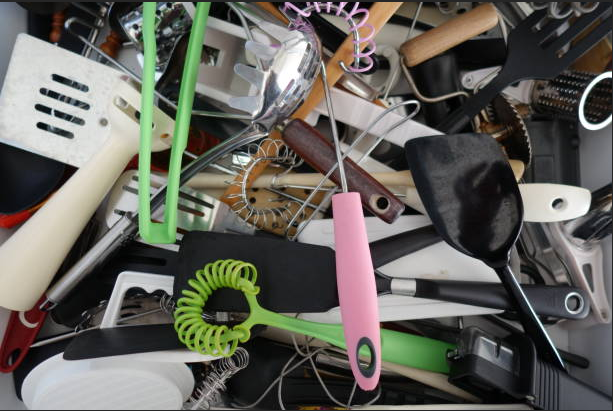
Throwing utensils into drawers without organization causes scratches, bending, and unnecessary wear.
Cutting on Hard Surfaces
Using knives on glass, stone, or metal surfaces dulls blades faster and can lead to chipping.
Leaving Utensils Soaked for Too Long
Wooden kitchen gadgets absorb water when left soaking, leading to cracks and bacterial buildup.
Using the Wrong Tool for the Job
Using a whisk for thick dough or a lightweight spatula for heavy foods puts stress on utensils, shortening their lifespan.
Ignoring Maintenance
Failing to sharpen knives, oil wooden tools, or replace worn coatings reduces both performance and longevity.
Conclusion
Replacing your kitchen utensils over and over is not just frustrating; it is often the result of small habits that go unnoticed. The good news is that with a little awareness, you can break that cycle and keep your tools performing like new.
Simple upgrades in your routine, such as controlling heat, organizing storage, and giving your tools proper care, can make a noticeable difference. Whether you are starting fresh or investing in premium kitchenware, smarter daily habits turn ordinary cooking equipment into long-lasting essentials that support you for years.
FAQs
- How often should kitchen utensils be replaced?
It depends on usage and care. High-quality utensils can last several years if maintained properly, while heavily used items may need replacement sooner.
- What is the best way to clean kitchen utensils?
Use mild soap, warm water, and non-abrasive sponges. Avoid harsh chemicals and always dry utensils thoroughly.
- Are wooden or silicone utensils better?
Both have advantages. Wooden utensils are durable and gentle on cookware, while silicone is heat-resistant and easy to clean. Proper care is key for both.
- How can I make my knives last longer?
Use proper cutting boards, sharpen them regularly, and store them safely in knife blocks or magnetic strips.
- Is premium kitchenware worth the investment?
Yes, but only if you maintain it correctly. Even the best kitchen gadgets can wear out quickly with poor handling.