
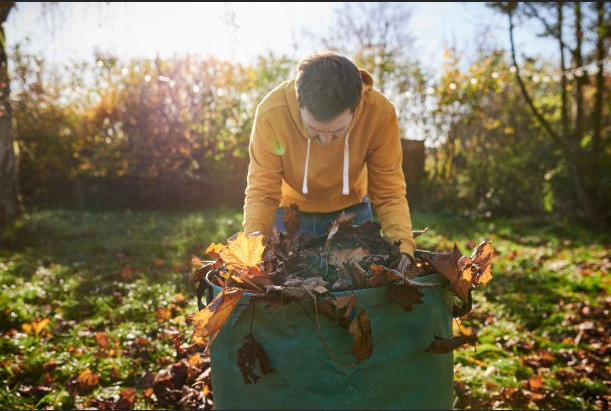
Leaves can pile up quickly, especially during the peak fall season. One week, the yard looks manageable, and a few windy days later, the lawn is covered again. For homeowners, the hard part is not always the cleanup itself. It is knowing what to expect.
This leaf removal benchmark gives a practical way to estimate how many bags of leaves a yard may produce based on yard size and tree coverage. The numbers are not exact for every property, but they can help you plan time, labor, and service needs more confidently.
Why Leaf Bag Counts Vary from Yard to Yard
A small yard can produce more leaf bags than a larger yard if it has heavy tree coverage. Tree type, leaf size, wind direction, moisture, and cleanup timing all affect the final count.
Dry leaves are lighter and easier to collect, but they take up more space in bags. Wet leaves are heavier, flatten faster, and can make bags harder to move. If leaves are left too long, they may form a thick layer over the grass. This can block sunlight, trap moisture, and make cleanup harder.
A good leaf removal benchmark should consider three main factors:
- Yard size
- Tree coverage
- Leaf condition at the time of cleanup
This is why two homes on the same street can have very different results
Leaf Removal Benchmark by Yard Size and Tree Coverage
Small Yards: Under 2,500 Square Feet
For small yards with light tree coverage, homeowners may only collect 3 to 6 standard lawn bags during a routine cleanup. If the property has one or two mature trees, the number can rise to 8 to 12 bags.
Small yards with heavy tree coverage can still produce a surprising amount of material. When leaves fall from large maples, oaks, or sycamores, even a compact lawn can fill 12 to 18 bags or more.
A useful estimate for small yards:
- Light coverage: 3 to 6 bags
- Medium coverage: 7 to 12 bags
- Heavy coverage: 12 to 18+ bags
For small properties, cleanup is often faster, but access can matter. Fenced yards, narrow side paths, garden beds, and patios may require more handwork.
Medium Yards: 2,500 to 7,500 Square Feet
Medium yards usually show the widest range. A property with limited trees may only need 8 to 15 bags. But a medium-sized lawn with several mature trees can easily produce 20 to 35 bags during peak season.
This is where a leaf removal benchmark becomes especially helpful. A homeowner may think the job looks simple from a distance, but once leaves are blown into piles, the volume becomes easier to see.
A practical estimate for medium yards:
- Light coverage: 8 to 15 bags
- Medium coverage: 16 to 25 bags
- Heavy coverage: 26 to 35+ bags
Medium yards also benefit from phased cleanup. Instead of waiting until every leaf has fallen, it is often better to schedule one early cleanup and one final cleanup. This keeps the lawn healthier and prevents thick leaf mats from sitting too long.
Large Yards: Over 7,500 Square Feet
Large yards can produce a high number of bags, especially when tree coverage is moderate to heavy. A large open yard with only a few trees may produce 15 to 25 bags. But if the yard is surrounded by mature trees, it can produce 40, 60, or even more bags during a full fall cleanup.
For large yards, bagging may not always be the most efficient method. Some properties may be better served by leaf blowing, curbside leaf piles, tarping, or vacuum collection if available.
A general estimate for large yards:
- Light coverage: 15 to 25 bags
- Medium coverage: 26 to 45 bags
- Heavy coverage: 46 to 60+ bags
At this size, leaf removal becomes more than a quick yard task. It requires planning, equipment, and proper disposal. Wet leaves can also add significant weight, making bag handling more difficult.
Tree Coverage: The Biggest Factor in Bag Count
Tree coverage often affects bag count more than lawn size. A yard with several large deciduous trees will usually create more leaf volume than a larger yard with only a few small trees.
Large-leaf trees, such as maple, sycamore, and magnolia, fill bags faster. Oak leaves may be smaller, but they can fall later in the season and collect in thick layers. Pine needles are different from broad leaves and may need a separate cleanup approach.
To estimate tree coverage, homeowners can use a simple rule:
- Light coverage means a few scattered leaves across the lawn
- Medium coverage means most of the lawn is covered, but grass is still visible
- Heavy coverage means leaves form a thick layer, and grass is hard to see
This makes the leaf removal benchmark easier to apply in a practical way.
How Cleanup Timing Changes the Final Count
Timing affects both the number of bags and the difficulty of the job. If leaves are collected while dry, they may fill more bags but are easier to lift. If collected after rain, they may fit into fewer bags but become heavier and messier.
Waiting too long can also increase cleanup needs. Leaves may settle into flower beds, block drains, cover walkways, and mix with sticks or trash. In that case, the work may include debris removal along with normal leaf collection. For homes with shrubs, planting beds, or decorative borders, fall cleanup also becomes part of garden maintenance because thick leaf piles can trap moisture around plants and hide early signs of pests.
And for lawn maintenance, this would fit naturally in the same blog without changing the heading:
Seasonal leaf cleanup should also support regular lawn maintenance. When thick leaves stay on the grass too long, they can block sunlight and airflow, which makes the yard harder to recover once fall ends.
Conclusion
A clean yard after fall leaf drop feels easier to walk through, easier to maintain, and better prepared for the next season. The right leaf removal benchmark helps homeowners understand what is normal for their yard instead of guessing every time the leaves start falling.
Whether a property needs a few bags or several dozen, the goal is the same: keep the lawn clear enough to breathe, keep walkways safe, and prevent outdoor cleanup from becoming overwhelming. With the right timing and a practical plan, leaf season becomes much easier to manage.
FAQs
Should leaves be bagged or left at the curb?
That depends on local collection rules. Some areas require paper bags, while others allow curbside piles or yard waste bins. Always check local guidelines before cleanup day.
Can leaves be used as mulch?
Yes. Shredded dry leaves can be used as mulch around some plants. They should be spread lightly and kept away from plant stems to reduce moisture problems.
Why do wet leaves smell bad?
Wet leaves can start breaking down when they sit in piles without airflow. This creates a sour smell and can attract insects or pests.
How heavy can a full leaf bag get?
A dry leaf bag may be fairly light, but a wet leaf bag can become heavy quickly. Avoid overfilling bags if rain is expected or if they need to be carried far.
Can leaf piles block drainage?
Yes. Leaves can clog gutters, drains, and curb inlets. Clearing these areas helps reduce standing water around the yard and driveway.