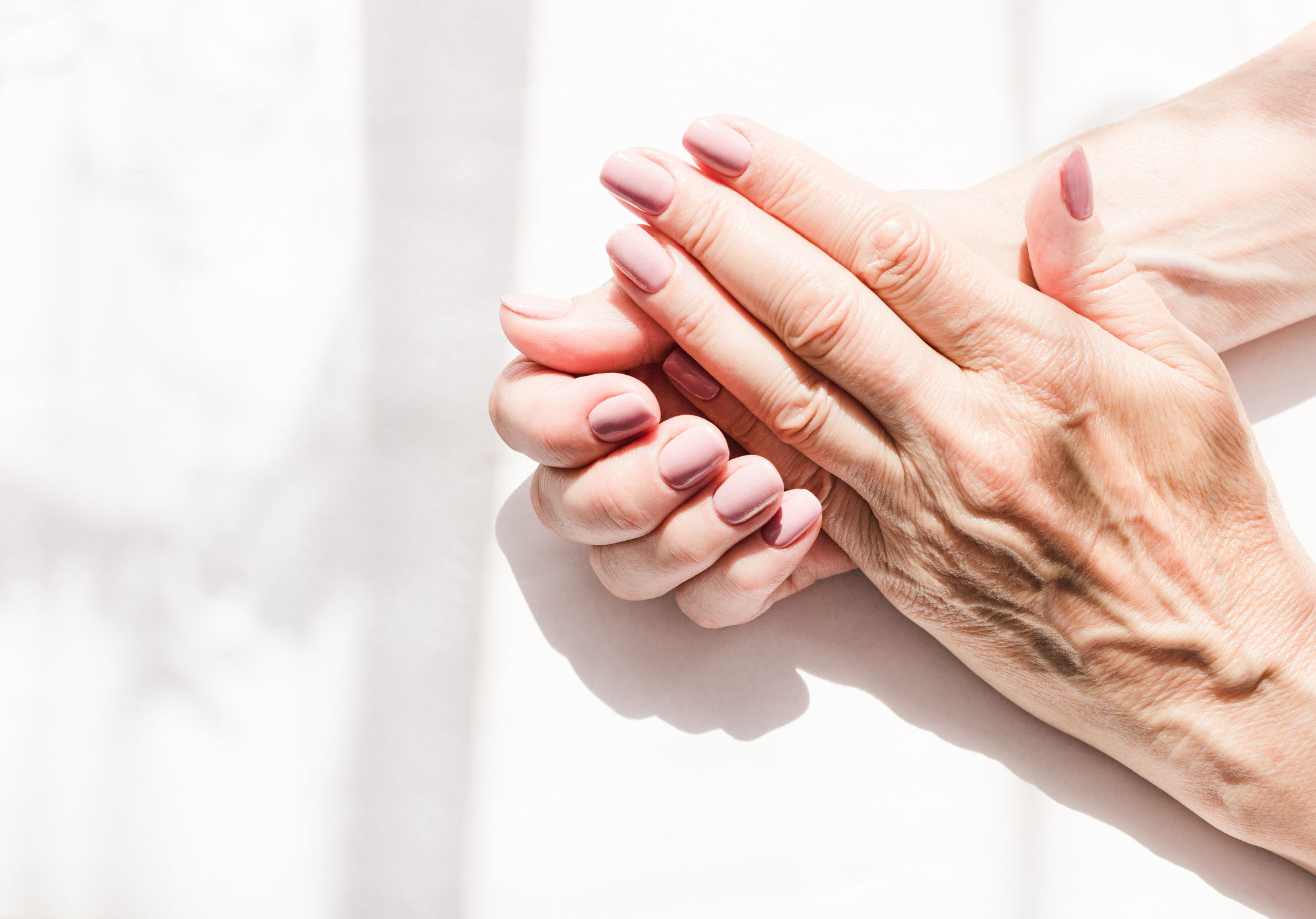
As we navigate the aging process, our hands often reveal the passing of time more candidly than our faces. The skin on the back of the hands is remarkably thin, and with the gradual loss of collagen, elastin, and subcutaneous fat, veins and tendons begin to appear more prominent, creating a skeletal or aged appearance. Hand Rejuvenation with Fat Transfer in Abu Dhabi offers a sophisticated, regenerative approach to addressing these aesthetic concerns by utilizing the body’s own natural resources. This procedure focuses on restoring lost volume, improving skin texture, and providing long-lasting, natural-looking results that align with the desire for a refreshed, youthful silhouette.
- Aging process impact: Hands show age faster due to thin skin and loss of subcutaneous volume.
- Solution introduction: Using autologous fat transfer to address volume loss and skin texture.
- Goal: Achieve a natural, rejuvenated appearance by replenishing lost structural support.
Understanding the Anatomy of Aging Hands
The visible signs of aging on the hands are primarily driven by two biological factors: dermal thinning and the atrophy of adipose tissue. As the structural support beneath the skin diminishes, the dermis loses its elasticity, leading to “crepey” skin that lacks suppleness. Furthermore, the reduction of fat compartments—which naturally cushion the back of the hands—causes the underlying anatomy, such as metacarpal bones and vascular networks, to become highly visible. This transition is exacerbated by years of cumulative sun exposure, which degrades the dermal matrix, leading to hyperpigmentation and reduced skin density.
- Structural changes: Adipose atrophy leads to the prominence of veins and tendons.
- Dermal thinning: Collagen and elastin degradation result in thin, crepe-like skin texture.
- Environmental factors: Sun exposure accelerates the aging process by damaging the skin’s structural integrity.
The Principles of Autologous Fat Transfer
Autologous fat transfer, or fat grafting, is a technique rooted in the principle of harvesting healthy adipose tissue from one area of the body and transplanting it into another. For hand rejuvenation, this process acts as a biological filler. Unlike synthetic dermal fillers that provide temporary structural support, fat transfer introduces living cells, including adipose-derived stem cells, which may contribute to ongoing tissue health and skin quality improvement. The procedure is meticulously performed to ensure that the transferred fat cells successfully integrate into the vascular network of the hands, providing a soft, cushiony foundation that restores a youthful contour.
- Biological filler: Uses the patient’s own fat, eliminating allergic reactions or foreign body rejection.
- Regenerative potential: Inclusion of stem cells may improve skin tone and elasticity over time.
- Natural integration: Fat becomes a permanent part of the hand’s structure once grafted correctly.
The Process: From Harvest to Restoration
The journey toward rejuvenated hands begins with the gentle extraction of fat, typically from areas such as the abdomen, thighs, or flanks. This is followed by a purification process where the harvested fat is refined to ensure the highest quality of viable adipocytes. Once prepared, the fat is introduced into the dorsal aspect of the hands using specialized, blunt-ended instruments known as micro-cannulas. These instruments allow for precise placement of the fat in small, distributed droplets, which maximizes surface area contact for the cells to establish a blood supply. This careful technique ensures the final result is smooth, even, and consistent with the natural curvature of the hand.
- Harvesting: Extraction from donor sites using minimally invasive techniques.
- Refinement: Purification to separate healthy fat cells from fluids and debris.
- Precision placement: Use of micro-cannulas ensures uniform distribution and long-term viability.
Enhancing Skin Quality Through Adipose-Derived Stem Cells
One of the most compelling aspects of using fat for rejuvenation is the presence of the stromal vascular fraction (SVF). This fraction is rich in adipose-derived stem cells, growth factors, and cytokines. When transferred to the hands, these bioactive components promote a regenerative environment. Over the months following the procedure, patients often notice more than just volume restoration; there is frequently an improvement in skin thickness, color uniformity, and overall hydration. This dual effect of structural “plumping” and skin quality enhancement distinguishes fat transfer from other forms of volume replacement.
- Bioactive components: SVF provides growth factors that revitalize aging tissue.
- Collagen stimulation: The environment supports the body’s natural production of collagen.
- Texture improvement: Leads to smoother, healthier-looking skin rather than just temporary fullness.
Why Symmetry and Proportion Matter
The aesthetic success of hand rejuvenation lies in the subtle balance of volume. The goal is not to eliminate all visible definition but to restore a soft, plump look that mimics the hands of a younger individual. An over-filled hand can appear unnatural, while under-filling may leave the desired skeletal definition too visible. Achieving the perfect proportion requires an intimate understanding of hand anatomy and the artistic eye to place the graft in a way that respects the natural topography of the hand, ensuring that motion, dexterity, and grip are completely unaffected.
- Aesthetic balance: The aim is a refreshed look, not an artificial over-filled appearance.
- Anatomical respect: Ensuring that the restoration does not interfere with hand function or flexibility.
- Customization: Tailoring the volume to the specific needs of the patient’s unique hand structure.
Longevity and Maintenance of Results
Because the transferred fat acts as a living graft, once the cells have successfully integrated with the local blood supply, they behave like the surrounding adipose tissue. This means that if a patient maintains a stable weight, the results can be quite enduring. While some volume resorption is natural in the early stages post-transfer, the stabilized fat typically provides a permanent, long-term improvement. Unlike temporary synthetic injectables that require regular “top-up” sessions, this method offers a durable solution for those seeking to maintain a youthful hand appearance without frequent interventions.
- Permanent integration: Surviving fat cells become part of the hand’s natural tissue.
- Weight stability: Maintaining stable body weight helps preserve the transferred volume.
- Reduced maintenance: Longevity makes this a cost-effective and convenient long-term strategy.
Frequently Asked Questions
What makes fat transfer different from temporary dermal fillers?
Fat transfer uses your own living tissue, which provides a natural, soft feel and potential regenerative benefits due to stem cells, whereas temporary fillers are synthetic substances that eventually metabolize and require repeat treatments.
Is the rejuvenation effect immediate?
While there is an immediate increase in volume upon the completion of the procedure, the final, settled results typically become fully apparent as the initial swelling subsides and the transferred fat fully integrates over a few months.
How does the fat help with skin texture?
The regenerative properties of the stem cells and growth factors within the fat graft stimulate the underlying skin layers, which can lead to improved collagen density, better skin thickness, and a more vibrant appearance over time.
Can this procedure affect my daily hand activities?
No, the procedure is designed to restore volume to the subcutaneous layers of the back of the hand, which does not interfere with the tendons, muscles, or joints responsible for movement and daily tasks.