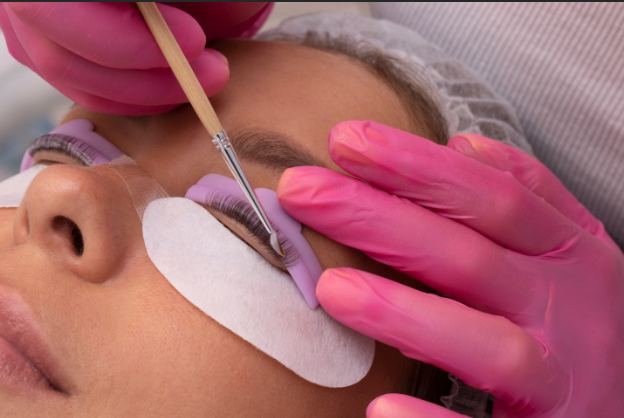
An eyelash extension service can completely transform the way lashes look, but retention continues to be one of the biggest concerns for both clients and lash artists. While many clients expect their extensions to last several weeks without issues, early shedding is still very common.
In reality, lash retention depends on several factors working together. Application technique, adhesive quality, aftercare habits, natural lash health, and even lifestyle choices all play a role in how long extensions stay in place. Similar to services like gel polish, nail art, or professional nail repair, long-lasting results depend on both proper application and proper maintenance.
This guide breaks down the most common causes of early shedding, what retention data shows, and how lash professionals and clients can improve results for healthier, longer-lasting lashes.
Key Takeaways
- Average eyelash extension retention usually lasts between 2–4 weeks, depending on aftercare and natural lash cycles
• Poor isolation and incorrect adhesive use are major causes of early shedding
• Humidity, temperature, and adhesive quality directly affect retention
• Oil-based skincare and poor cleansing habits weaken lash bonds
• Lifestyle habits like sweating, rubbing eyes, and sleeping positions impact retention
• Proper aftercare can noticeably improve lash longevity and reduce premature fallout
What Causes Early Eyelash Extension Shedding
- Application Technique: Where Most Retention Problems Begin
In professional settings, poor application technique is one of the leading causes of early eyelash extension shedding. Retention depends heavily on precision, and even small mistakes during application can shorten how long lashes last.
Poor isolation is a common issue. When natural lashes stick together, often called “stickies,” it interrupts the natural lash cycle and causes premature fallout. Incorrect adhesive placement is another major problem. Using too much glue, too little glue, or placing the extension too far from the lash line weakens the bond.
Attachment direction also matters. If extensions are not properly aligned with the natural lash, they may twist, lift, or shed faster than expected.
Another overlooked issue is curing time. Lash adhesive reacts to humidity and temperature in the room. If conditions are not balanced, the adhesive may cure too slowly or too quickly, creating weak retention.
Similar to how improper curing affects gel polish, environmental conditions directly affect lash performance.
- Adhesive Quality and Environmental Conditions Matter More Than Many Realize
Professional lash adhesives are highly sensitive to their environment. Most adhesives perform best between 45–60% humidity and temperatures around 68–75°F.
Low humidity slows curing time, while excessive humidity causes the adhesive to dry too quickly before a strong bond forms.
Adhesive age also matters. Lash glue has a short shelf life once opened. Exposure to heat, light, or air can reduce performance even if the product still appears usable.
Many retention complaints inside a nail salon or lash studio are actually linked to expired glue, poor storage, or inconsistent room conditions rather than application skill alone.
- Poor Aftercare Is One of the Biggest Causes of Early Shedding
Even a perfectly applied eyelash extension set can fail quickly if aftercare is ignored.
Oil-based cleansers, heavy skincare products, and waterproof makeup gradually weaken adhesive bonds. Frequent touching, rubbing, or pulling on the lashes also creates stress that loosens extensions.
Sleeping habits can make a difference, too. Clients who sleep face down or on their side often experience uneven shedding because of friction against pillows.
Another common problem is poor cleansing. Some clients avoid washing their lashes because they think water will ruin the extensions, but buildup from oil, dirt, makeup, and bacteria can actually weaken retention and irritate the eyes.
Clients who clean their lashes regularly using lash-safe products usually maintain better retention and healthier natural lashes.
- Natural Lash Cycles and Biology Affect Retention
Not every retention issue is caused by products or techniques. Biology also plays a major role.
Natural lashes shed as part of a regular growth cycle, so losing a few extensions daily is completely normal. Clients with faster lash cycles naturally experience quicker shedding.
Hormonal changes, stress, medications, poor sleep, and nutritional deficiencies can all affect lash growth and retention. Pregnancy, thyroid conditions, and certain skincare treatments may also shorten retention time.
Clients with oily skin often notice faster adhesive breakdown because natural oils weaken the bond more quickly.
Just like nail repair results vary depending on nail condition and maintenance habits, lash retention also differs from person to person.
- Lash Weight, Length, and Styling Choices Can Reduce Retention
Dramatic styles may look appealing, but they are not always ideal for long-term retention.
Heavy or overly long extensions place extra strain on the natural lash. If the extension is too heavy, premature shedding becomes more likely, and natural lash damage may occur.
This is especially common with oversized volume fans or extremely long styles chosen for trend-focused looks.
Experienced lash artists customize each eyelash extension set based on the client’s natural lash strength and health. Balanced, lightweight styles often last longer and keep natural lashes healthier over time.
- Lifestyle Habits Also Affect Lash Retention
Daily habits can significantly impact how long lash extensions last. Frequent exposure to sweat, steam, chlorine, and heat can weaken adhesive bonds faster. Clients who exercise heavily, use saunas regularly, or swim often may experience shorter retention periods.
Excessive crying, rubbing the eyes, or using cotton pads aggressively around the lashes can also loosen extensions prematurely.
Even seasonal weather changes can influence retention. High humidity during the summer months or dry indoor heating during the winter may affect adhesive performance.
Why Regular Maintenance Appointments Matter
Even with excellent retention, lash fills are still necessary. Most clients need refill appointments every 2–3 weeks to replace extensions lost through the natural shedding cycle. Waiting too long between fills can leave gaps that require a completely new set instead of a simple refill.
Consistent maintenance also allows lash artists to monitor natural lash health and adjust styling when needed. Much like maintaining nail art or fresh polish at a nail salon, lash extensions require regular upkeep to keep them looking clean and balanced.
Wrap Up
Early shedding is one of the most common frustrations with eyelash extension services, but in many cases, it can be prevented. Retention depends on several connected factors, including application technique, adhesive quality, aftercare habits, environmental conditions, and natural lash health.
Small improvements can make a major difference. Better cleansing habits, balanced humidity levels, proper lash styling, and consistent maintenance appointments all help extensions last longer and look better over time.
For both lash artists and clients, understanding the real causes behind poor retention is the key to achieving healthier, stronger, and longer-lasting lash results.
FAQs
How long should eyelash extensions last?
Most eyelash extension sets last between 2–4 weeks, depending on natural lash cycles, aftercare habits, and lifestyle factors.
Is it normal to lose a few lash extensions daily?
Yes. Natural lashes shed regularly, so losing a few extensions each day is completely normal.
Can oily skin reduce lash retention?
Yes. Excess oil can break down adhesive bonds more quickly, causing faster shedding.
Should lashes be cleaned daily?
Yes. Gentle daily cleansing removes oil, dirt, and makeup buildup that can weaken retention.
Do longer lash extensions shed faster?
In many cases, yes. Extensions that are too heavy or long for the natural lash may loosen more quickly.
What is the biggest cause of poor lash retention?
Usually, poor aftercare combined with environmental factors and incorrect application techniques causes the most retention problems.