Introduction to Turbine Excitation Systems
Modern power generation relies heavily on the stability and precision of turbine systems. At the core of these systems is the excitation system, which is responsible for controlling the generator’s output voltage by regulating the magnetic field of the rotor. This process ensures that power generation remains stable, efficient, and synchronized with the electrical grid.
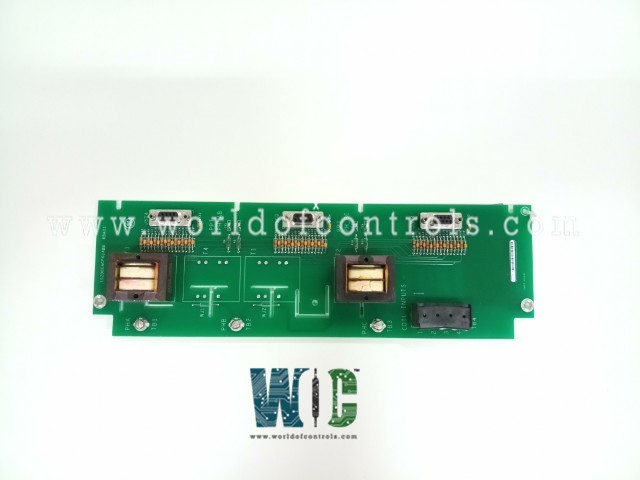
To achieve this level of control, excitation systems depend on multiple critical components working together. Among them, AC feedback boards play a key role in monitoring electrical output and ensuring real-time adjustments to system performance.
Role of Excitation Systems in Power Generation
An excitation system supplies direct current to the rotor winding of a generator. This current creates a magnetic field, which induces voltage in the stator windings and ultimately produces electrical power.
However, power demand and grid conditions are constantly changing. To maintain consistent output, the excitation system must continuously adjust the field current. Without precise control, fluctuations in load can lead to voltage instability, reduced efficiency, or even system shutdowns.
This is why modern excitation systems rely heavily on fast and accurate feedback mechanisms.
Importance of AC Feedback in Turbine Control
AC feedback is one of the most important elements in turbine excitation systems. It involves monitoring the generator’s alternating current output and sending this data back to the control system.
This feedback loop enables the system to:
- Detect voltage variations in real time
- Adjust excitation levels automatically
- Maintain grid stability under varying loads
- Prevent overvoltage or undervoltage conditions
Without reliable feedback, the excitation system would be unable to respond quickly enough to changing operational conditions, increasing the risk of inefficiency or equipment stress.
Function of AC Feedback Boards in Excitation Systems
AC feedback boards serve as the interface between the generator’s electrical output and the excitation control system. Their primary function is to process incoming voltage signals and convert them into accurate feedback data that the controller can interpret.
These boards ensure that the excitation system receives precise information about generator performance. This allows for continuous adjustment of excitation levels, helping maintain steady voltage output and optimal turbine performance.
In addition to signal processing, they also help reduce electrical noise, improve measurement accuracy, and support system stability in high-demand environments.
Key Benefits of Advanced Feedback Components
In modern turbine systems, high-performance feedback components contribute significantly to operational efficiency and reliability. Some of the key benefits include:
- Improved voltage regulation and stability
- Faster response to load changes
- Enhanced protection against system disturbances
- Greater efficiency in power generation
- Seamless integration with digital control systems
These advantages are especially important in industrial and utility-scale power plants, where even minor fluctuations can have large operational impacts.
Integration in Modern Turbine Systems
Today’s turbine systems are highly automated and digitally controlled. AC feedback boards are fully integrated into this architecture, working alongside sensors, controllers, and protection systems.
They play a crucial role in ensuring that physical electrical signals are accurately translated into digital data. This allows the excitation system to make intelligent, real-time adjustments that improve both performance and safety.
As turbines continue to evolve toward smarter and more connected systems, the importance of precise feedback mechanisms continues to grow.
Conclusion
Efficient turbine excitation systems depend on accurate control, real-time monitoring, and reliable feedback loops. AC feedback boards are a critical component in this ecosystem, ensuring that generator output is continuously measured and regulated.
By enabling precise control of excitation levels, these components help maintain stability, improve efficiency, and support reliable power generation in modern turbine applications.