
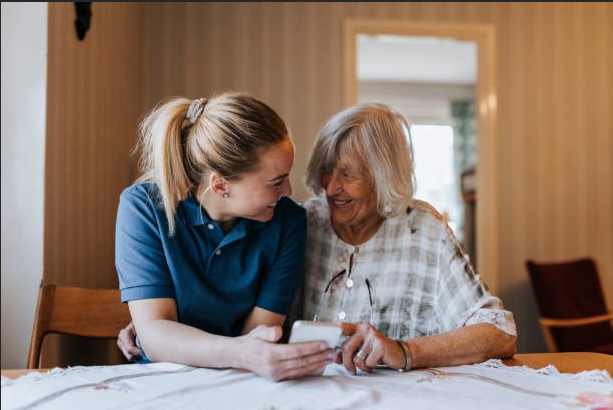
Caregiving can slowly take over a person’s routine without them realizing how much pressure they are carrying. What starts as helping with groceries, appointments, or medications may turn into a daily emotional and physical responsibility. Many caregivers continue pushing through exhaustion because they feel guilty slowing down or asking for help. That is why recognizing caregiver burnout warning signs matters.
Burnout does not happen because someone stops caring. It usually happens because they have been caring for too long without enough rest, support, or balance in their own life.
Most Common Caregiver Burnout Warning Signs
- Constant Exhaustion That Does Not Improve
One of the earliest signs of burnout is feeling tired all the time, even after sleeping or resting. Caregivers may wake up already feeling drained because their mind never fully relaxes. The Cleveland Clinic describes caregiver burnout as physical, emotional, and mental exhaustion caused by the stress of caregiving responsibilities.
- Feeling Irritated More Often
Many caregivers become frustrated more easily when stress builds up for long periods. Small problems may suddenly feel overwhelming. A delayed caregiver appointment, medication issue, or repeated question from a loved one may trigger emotional reactions that feel unusual or uncomfortable.
This does not mean the caregiver is uncaring. It often means they are emotionally overloaded.
- Pulling Away from Friends and Activities
Another caregiver burnout warning sign is a shrinking personal life. Some people stop answering calls, cancel plans, or give up hobbies because caregiving takes all their energy. Basically, long-term caregiving stress can affect emotional health, social connection, and overall well-being.
Isolation can make burnout feel even heavier because caregivers stop receiving emotional support themselves.
- Changes in Sleep or Appetite
Some caregivers sleep too little because they worry constantly or wake up during the night. Others sleep more than usual because they feel mentally exhausted. Stress may also affect eating habits. A caregiver may skip meals, rely on convenience foods, or lose interest in eating altogether.
- Feeling Guilty for Wanting a Break
This is one of the most common emotional warning signs. Caregivers may feel guilty whenever they rest, leave the house, or ask someone else for help. Many people believe they should handle everything alone, especially when caring for a parent or spouse. But guilt often keeps caregivers from creating healthier routines.
Using support services such as non-medical home care or short-term respite care does not mean someone is giving up responsibility. It may actually help them provide safer and steadier care long term.
- Losing Patience with the Person Receiving Care
Burnout may affect how caregivers communicate. They may become short-tempered, emotionally distant, or frustrated more quickly than before. This can create guilt afterward, which increases emotional stress even more. Recognizing this pattern early can help families adjust responsibilities before resentment builds.
- Feeling Like Every Day Is About Survival
Some caregivers begin feeling as though they are only reacting to problems all day long. Meals, medications, transportation, cleaning, appointments, and safety concerns can pile up quickly.
Without structure or support, caregiving may stop feeling manageable and start feeling endless.
This is why routines, family communication, companionship care, and practical support systems matter. Even small breaks can reduce emotional pressure.
A Simple Self Check for Caregivers
Sometimes caregivers become so focused on another person’s needs that they stop checking in with themselves. This short self-check can help someone pause and honestly evaluate how they are feeling.
Ask yourself:
- Am I tired most days, even after resting?
- Do I feel emotionally overwhelmed often?
- Have I stopped doing things I used to enjoy?
- Am I becoming impatient more easily?
- Have I skipped my own appointments or health needs?
- Do I feel guilty when I take time for myself?
- Does caregiving feel like my entire life right now?
- Do I feel unsupported or alone most of the time?
If several answers are “yes,” it may be time to adjust the caregiving routine before stress becomes more serious. The National Institute on Aging recommends that caregivers protect their own physical and emotional health while caring for others.
Some caregivers benefit from:
- Shared family schedules
- Weekly breaks
- Support groups
- Counseling
- Respite services
- Better organization systems
- Educational resources from a caregiver ebook store
- Part-time caregiving support
The goal is not perfection. The goal is sustainability.
Conclusion
Recognizing caregiver burnout warning signs early can help families prevent emotional exhaustion before it becomes overwhelming. Caregiving is deeply personal, but that does not mean one person should carry every responsibility alone. Stress, guilt, fatigue, and emotional overload are signs that support and balance may be needed.
Sometimes, the healthiest thing a caregiver can do is step back long enough to protect their own well-being, too. When caregivers are supported, the care they provide often becomes calmer, safer, and more consistent for everyone involved.
FAQs
Can caregiver burnout happen even if someone loves caregiving?
Yes. Burnout is usually caused by long-term stress and exhaustion, not by a lack of love or commitment.
Does companionship care help reduce caregiver stress?
Yes. Companionship care can give caregivers short breaks while also helping seniors stay socially engaged and emotionally supported.
What are some small ways caregivers can reduce daily stress?
Simple changes like shared schedules, meal planning, asking family members for specific help, and organizing appointments ahead of time may reduce pressure.