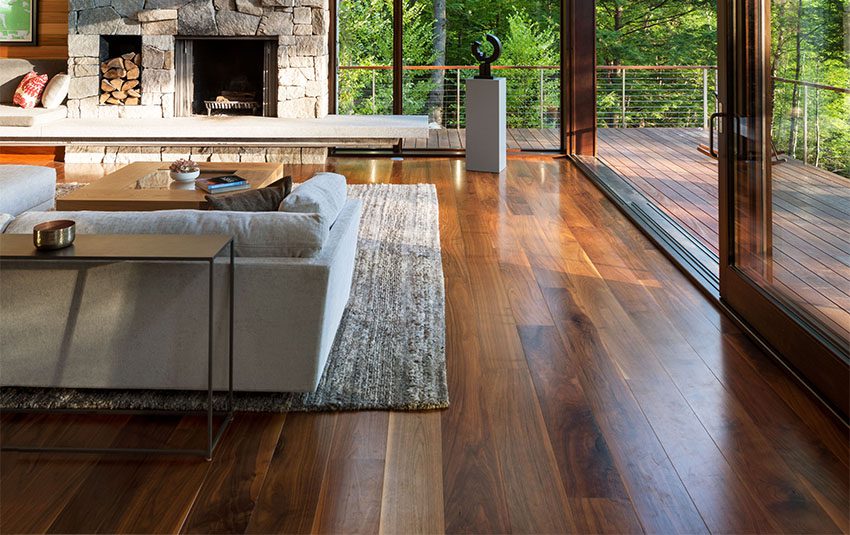
Some changes in a home take time to feel right. Flooring isn’t one of them. The moment it’s laid, the entire room shifts. The light reflects differently, the space feels grounded, and everything placed on top of it suddenly makes more sense. That’s the quiet strength of heritage-style flooring—it doesn’t shout, but it completely changes how a space is experienced.
In renovation work and interior projects, flooring is often where the real transformation begins. Walls can be repainted, furniture can be moved, but the floor stays. Getting it right makes everything else easier.
Why Do Heritage Floors Change the Feel of a Room So Quickly?
It comes down to texture and pattern. Heritage floors are not flat or uniform. They carry natural variation—knots, grains, subtle colour shifts—that bring depth without trying too hard.
There’s also a sense of structure. Traditional layouts guide the eye across a room. Even in a simple space, that added detail can make it feel more finished.
A few reasons they stand out:
- Natural wood tones soften the overall look
- Patterns create movement without clutter
- The finish feels warmer underfoot compared to synthetic options
- They don’t look out of place as trends change
In older homes being updated, these floors often help bridge the gap between past and present. They keep the character intact while still fitting into a more modern setup.
Which Types of Heritage Flooring Are Commonly Chosen?
There’s no single option that works for every space. The right choice usually depends on how the room is used and what kind of finish feels right.
Patterned Wood Layouts
A pattern like herringbone engineered wood flooring tends to catch attention straight away, but not in an overwhelming way. The arrangement itself does most of the work.
It fits naturally into:
- Living areas where a bit of structure helps define the space
- Entrance areas that need a stronger visual impression
- Open rooms where flooring can guide how the space is used
Because it’s engineered, it holds its shape well, even in homes where temperature changes throughout the year. Installers often lean towards it in spaces where stability matters as much as appearance.
Full Timber Boards
There’s something very straightforward about solid timber. Solid oak flooring has that familiar, slightly weighty feel that many people look for when they want something long-lasting.
It works particularly well in:
- Homes with a more traditional layout
- Rooms that see regular foot traffic
- Spaces where a natural finish is preferred over a polished one
Over time, oak doesn’t try to stay perfect. It changes slightly, picks up marks, and settles into the space. That’s part of its appeal. It doesn’t feel new forever—it feels lived in.
Boards That Can Be Finished On-Site
Not every project suits a pre-finished floor. Unfinished engineered flooring offers more control over the final result.
This option is often chosen when:
- The new flooring needs to match the existing one
- A specific stain or tone is required
- A consistent finish across several rooms is important
In larger home projects, this flexibility can make a noticeable difference. Instead of adjusting everything else to match the floor, the floor is adjusted to suit the space.
Do These Floors Suit Modern Interiors as Well?
It’s easy to assume that heritage flooring only works in older homes, but that’s not really how it plays out in practice.
In newer spaces, these floors often do the opposite of what’s expected—they soften the overall look. Clean walls and minimal furniture can sometimes feel a bit stark. Adding a textured timber floor brings in warmth without adding extra elements.
In more modern settings:
- Patterns break up large, open areas
- Natural finishes balance out sharper design lines
- Wider boards help keep the space feeling open
Developers and designers often use this approach to make new builds feel less uniform and more comfortable to live in.
What Should Be Thought About Before Choosing One?
There’s the visual side, and then there’s the practical side—both matter.
A few things that usually come into the conversation:
- Engineered boards tend to handle changes in temperature better
- Solid timber can last longer but may need more upkeep
- The type of finish will affect how easy it is to maintain
- The condition of the subfloor plays a big role in the final result
In flooring work, the preparation underneath is often what decides how well everything performs later. It’s not the most visible part of the job, but it’s one of the most important.
How Do Heritage Floors Age Over Time?
This is where they tend to stand apart. They’re not designed to stay untouched—they’re designed to age in a way that still looks right.
Over time:
- The colour deepens slightly
- Small marks blend into the overall surface
- The floor starts to feel more settled in the space
In places like boutique retail stores, timber floors are often chosen because they continue to look good even with constant use. That same quality works well in homes, too.
Conclusion
Heritage flooring doesn’t rely on trends to make an impact. Options like herringbone engineered wood flooring, solid oak flooring, and unfinished engineered flooring bring a sense of depth and permanence that’s hard to replicate. Once they’re in place, the change isn’t subtle—the space feels more complete, almost instantly.